Which Colour Lens Filter To Use?
Choosing the right colored lens filter can significantly enhance your photographic results and creativity, whether you’re capturing landscapes, portraits, or urban scenes. Lens filters serve multiple purposes, from managing light to emphasizing specific tones or colors, altering the mood of your photo, or creating artistic effects that aren't easily achieved through post-processing alone.
In this article, we’ll explore the types of colored lens filters commonly available, how they function, and which ones to use depending on your specific needs. By the end of this guide, you’ll have the clarity and confidence to determine the optimal colored filter for your photography goals.
Understanding Colored Lens Filters: What Are They?
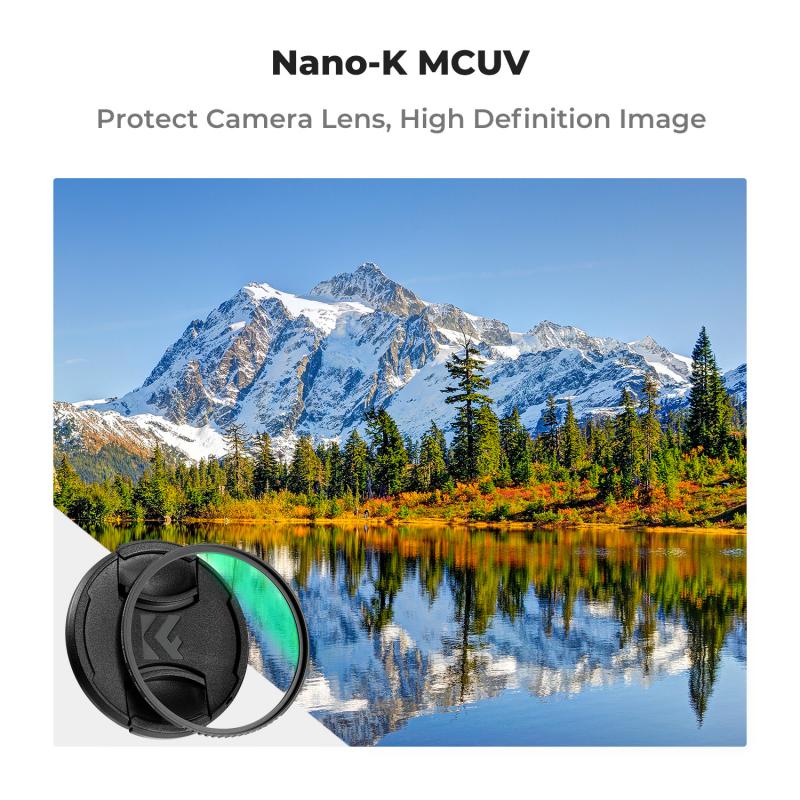
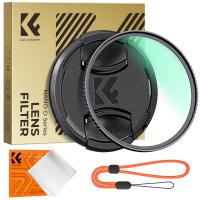
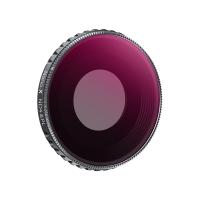
Colored lens filters are thin glass or resin pieces that attach to the front of your camera’s lens. They’re typically used to either absorb specific wavelengths of light (allowing others to pass through) or to create stylistic effects in your photos by artificially influencing color tones. These filters can come in single colors like red, green, or yellow—or in graduated setups where color intensity transitions steadily from one side of the filter to the other.
The value of a colored lens filter lies in its ability to improve the quality of an image before it is captured. While modern editing software can replicate some effects created by colored filters, their ability to control light and deliver high-fidelity results “in-camera” is still unmatched in certain types of photography.
Popular Types of Lens Filters and Their Applications
1. UV Filters: Colorless But Essential
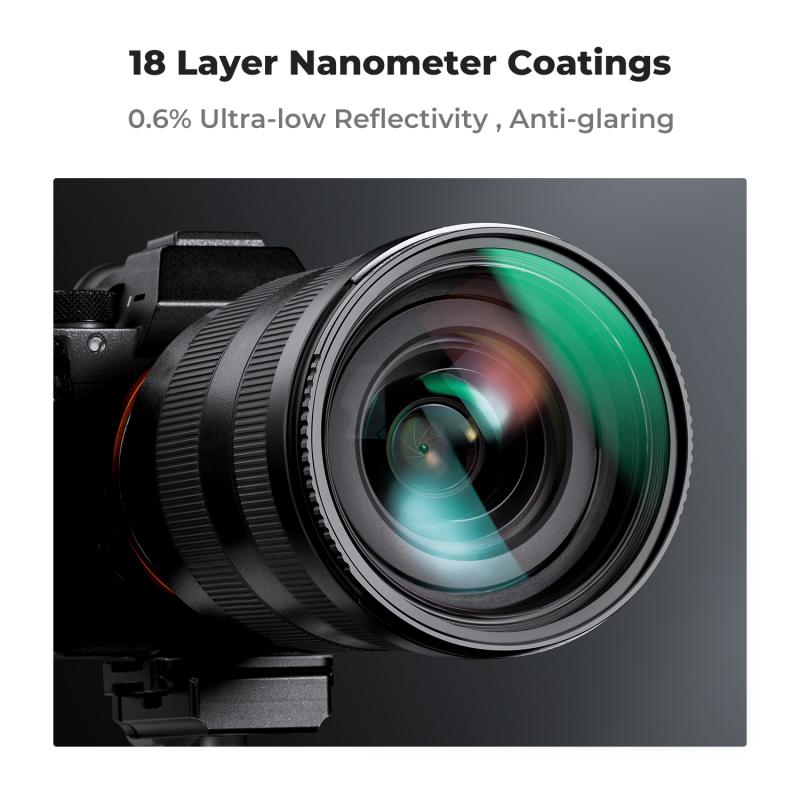
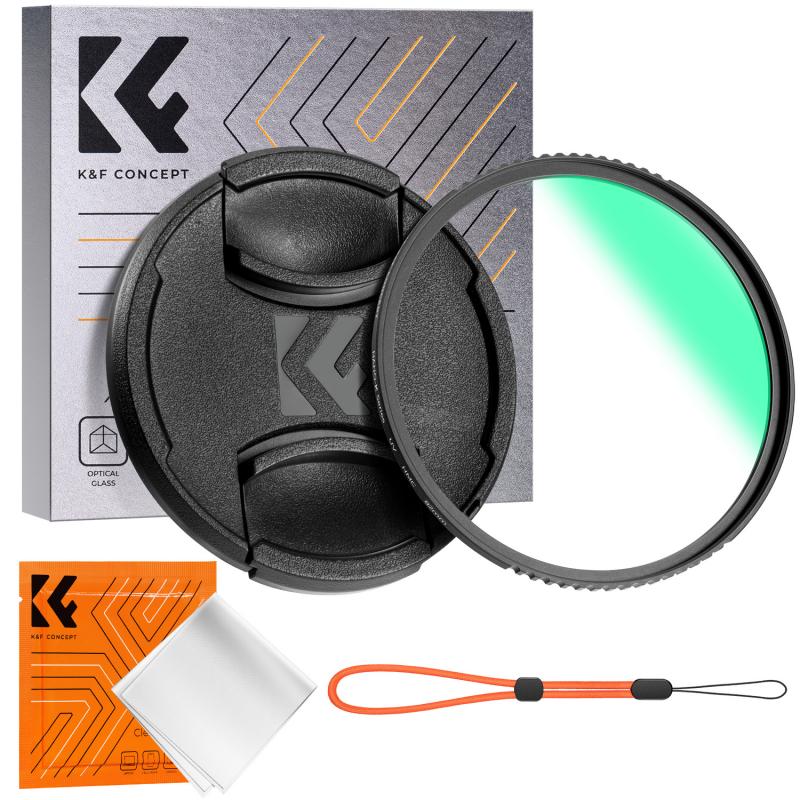
While technically not a “colored” filter, UV filters are worth mentioning because they neutralize ultraviolet light—an invisible form of radiation that may cause haze in outdoor photographs. UV filters are transparent and solely designed to protect your lens from scratches, dust, and moisture, while subtly improving image sharpness in certain environments.
If your primary goal is simply lens protection, you'll be best served by investing in this filter type.
2. Red Filters: For Dramatic Black-and-White Photography
Red filters are commonly used in monochrome photography to create intense contrast. When photographing blue skies, water, or skin tones in black and white, a red filter absorbs blue light while enhancing red wavelengths. This results in darker blues and lighter reds, producing a dramatic, moody effect.
Applications:
- Black-and-white landscape photography to make skies look deeper and more textured.
- Portrait photography to soften skin tones and reduce blemishes.
3. Yellow Filters: Subtle Contrast in Black-and-White
Yellow filters are less intense than red but still effective in adding contrast to black-and-white images. They produce natural-looking variations in tones by slightly darkening skies and enhancing skin textures. Most photographers turn to the yellow filter for an approachable way to brighten whites and deepen shadows.
Applications:
- Ideal for scenes requiring moderate contrast between sky and landscapes.
- Used frequently in black-and-white street photography to balance tonal differences.
4. Green Filters: Texture Enhancement
The green filter improves clarity in textures for landscapes and portraits. It lightens greens while darkening reds, lending your images more impact. Green filters are particularly effective for converting subtle tonal differences into sharp contrasts in monochrome photography.
Applications:
- Landscape photography where green foliage plays a dominant role.
- Close-up portraits to highlight subtle facial textures.
5. Blue Filters: Cooling and Atmospheric Effects
A blue filter absorbs red and orange tones while enhancing blue wavelengths. These filters are often used to create atmospheric effects in color photography or to emphasize lighter parts of the image in monochrome photography.
Applications:
- Color photography to convey colder scenes or emphasize cold tones (e.g., mountain ranges, glaciers).
- In black-and-white photography, blue filters reduce the brightness of warm colors like red and orange.
6. Orange Filters: Balancing Warm Skin Tones
The orange filter functions similarly to the red filter but with less dramatic contrast effects. It’s especially popular for photographers who want to achieve warmer results in portrait photography or softer tonal variations in skies during monochrome capture.
Applications:
- Perfect for portrait photography to give subtle warmth to skin tones.
- Balance monochrome contrast in settings that have complex lighting.
7. Neutral Density (ND) Filters: Managing Light Exposure
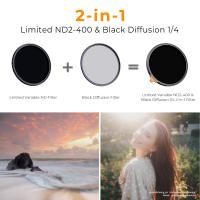
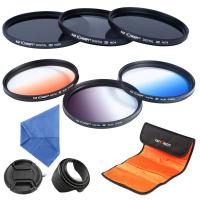
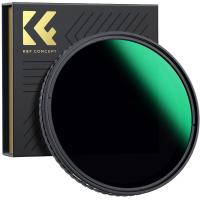
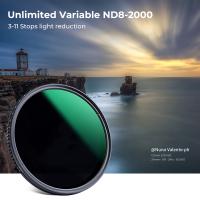
Technically, neutral density filters do not add color to your images. However, they lower the amount of light entering your lens without affecting coloration, making them ideal for situations with excessive brightness. Filters like ND Grads (graded neutral density) are popular for capturing wide dynamic range scenes like sunsets, as they effectively darken bright areas while leaving other parts untouched.
Applications:
- Long-exposure shots (e.g., waterfalls, light trails, or other motion blur effects).
- Outdoor photography where bright sunlight is an exposure issue.
8. Graduated Filters: Versatility in Color Work
Graduated filters are partially colored, offering a transition from one tone to another. Commonly available options include graduated ND filters (dark-to-transparent), graduated blue filters, or sunset filters (orange-red transitions). These filters are ideal for balancing light differences between the foreground and sky in your scenes.
Applications:
- Landscape photography—particularly during sunrise or sunset—to keep skies rich while foregrounds remain properly lit.
- Urban photography to add artistic stylization.
Key Considerations When Selecting a Filter
1. Your Genre of Photography
Different genres demand different filters. For instance, landscape photographers may lean heavily on graduated ND filters or red filters for dramatic skies, while portrait photographers will often favor orange or yellow filters to soften skin tones.
2. Filter Quality
Investing in high-quality filters ensures better transmission of light and minimizes unwanted distortions. Filters from reputable brands like Hoya, B+W, and Tiffen are worth exploring for their reliability and optical precision.
3. Circular vs. Square Filters
Circular filters are threaded and screw directly onto your lens—making them portable and simple to use.
Square filters often require a mounting system but provide greater flexibility for wide-angle or landscape shots since they align more precisely.
4. Filter Size Compatibility
Every filter has a designated diameter measured in millimeters. Make sure your chosen filter matches your lens barrel size, or invest in step-up rings for compatibility with various lenses.
Practical Tips for Applying Lens Filters
1. Test Before Purchase: If possible, test the filter on location to gauge its effect under specific lighting conditions.
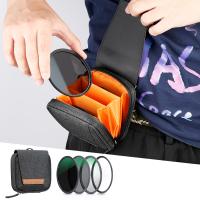
2. Stack Filters Cautiously: While you can stack filters to combine effects (e.g., ND with yellow), too many layers might cause vignetting or degrade image quality.
3. Clean Filters Regularly: Dust and fingerprints can reduce the clarity of your photos. Always carry a microfiber cloth or filter-cleaning solutions.
4. Experiment Often: Play around with various combinations to truly understand how filters influence your compositions.
Deciding Which Filter Works Best for You
Your choice of filter depends heavily on what you aim to achieve. If you're striving for atmospheric landscapes with balanced contrast, graduated ND filters may be indispensable. If you’re working in black-and-white, red, yellow, or green filters can help manage tonal harmony. Portrait photographers should lean toward warmer effects (orange or yellow filters), while fine-art photographers may enjoy the experimental flair of blue or graduated filters.
Filters aren’t just tools; they’re creative aids enabling you to see the world differently. While software editing remains a powerful post-shoot option, lens filters offer an unparalleled opportunity to shape light and color directly in the moment.
From controlling light intensity to emphasizing selective tones or creating artistic statements, colored lens filters are indispensable accessories in a photographer’s kit. Choosing the right filter requires a combination of practical knowledge, creative foresight, and technical precision—but the rewards are well worth the effort. Whether you’re just starting out or an experienced photographer looking for fresh perspectives, filters can elevate your craft dramatically. So, the next time you’re planning your next photo adventure, remember that the magic might just lie in the colored glass sitting atop your lens.