What Does Led Light Stand For?
LED stands for Light Emitting Diode. But let's not stop there—understanding what a Light Emitting Diode is doesn't just stop at its name; it opens up a fascinating world of technology that has reshaped how we think about lighting, power consumption, and even design aesthetics. LED lighting is so ubiquitous nowadays that it’s easy to forget how revolutionary it is. From the tiny indicator lights on your electronic devices to stadium floodlights, LEDs have not only transformed illumination but also brought some profound implications for efficiency, environmental impact, and creativity.
To break it down, at its most basic level, an LED is a semiconductor device that emits light when current flows through it. That’s right—no filament to burn out, no gas to excite, none of the old-school mechanics that traditional incandescent or fluorescent bulbs rely on. Instead, this modern marvel achieves its glow through a process called electroluminescence. When electrons in the semiconductor recombine with electron holes, they release energy in the form of photons—light particles. Just like that, illumination happens.
Why LEDs Are a Big Deal in the Lighting Game
So, why should you care? After all, lighting tech is just another part of your life that works almost invisibly. That’s precisely the point: LEDs make "invisible efficiency" visible. Such lighting systems are dazzlingly energy-efficient, often consuming up to 90% less energy compared to incandescent bulbs. But that’s not all. Their ability to last approximately 20–25 times longer than traditional bulbs makes them a worthy investment for both homes and businesses. Imagine changing your living room bulb once every 15 years instead of almost yearly—that’s not just convenience; that’s a life upgrade.
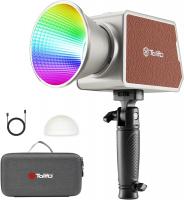
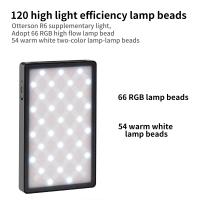
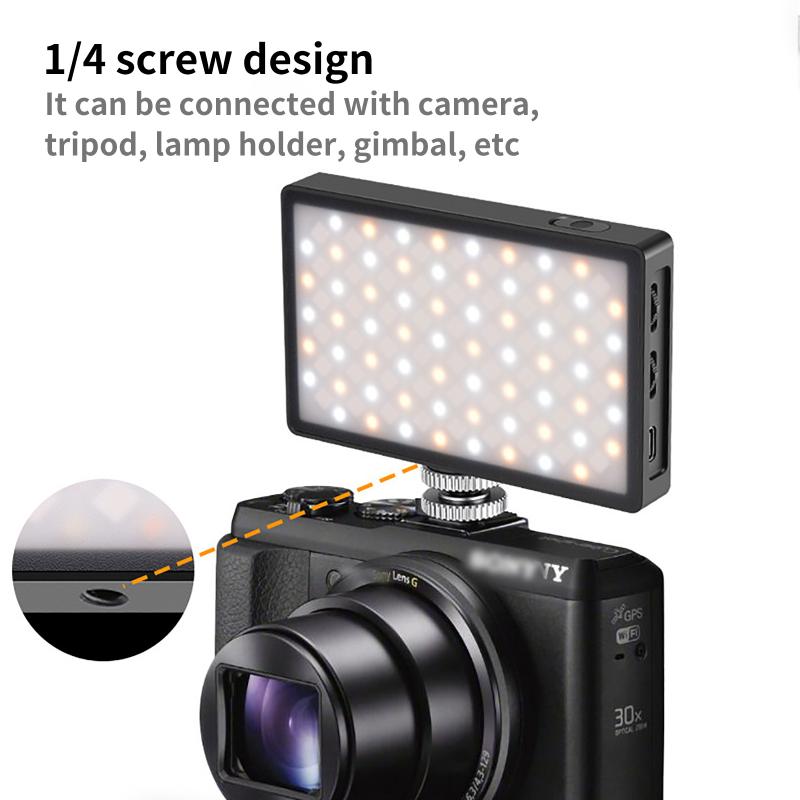
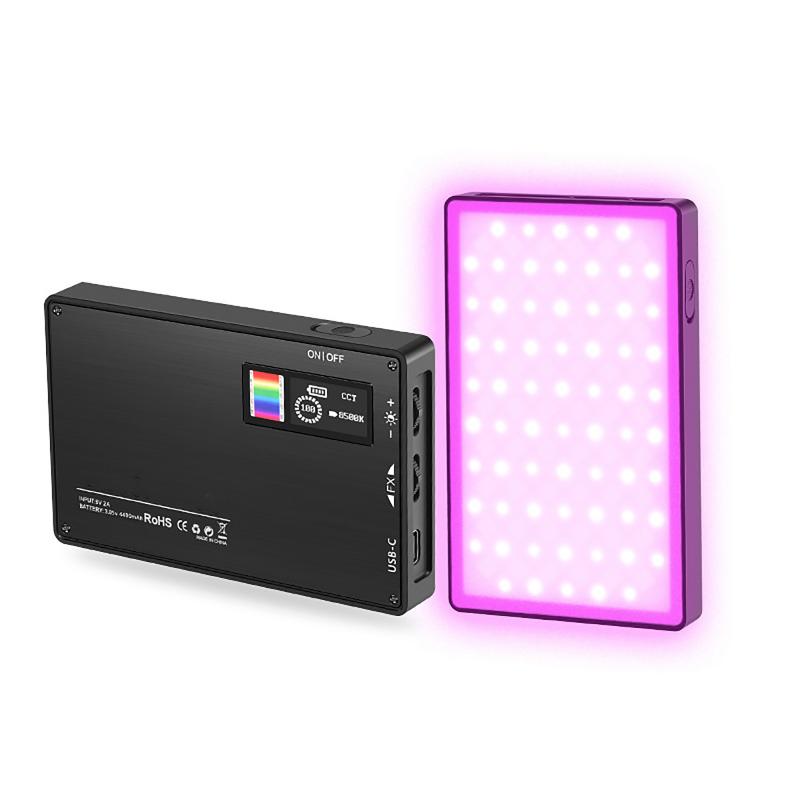
But arguably, the real magician’s trick behind LED lighting is its versatility. Can your old incandescent bulb display RGB colors at the flick of a smart switch? No. LEDs can. They accomplish this through layered semiconductors or by combining multiple diodes to emit different wavelengths of light—producing virtually any color on the spectrum. This adaptability has made LEDs the darling of smart lighting ecosystems, whether it’s for mood lighting, syncing with music ecosystems, or growing plants indoors. Yes, plant enthusiasts—LED grow lights work wonders by tailoring light wavelengths to mimic sunlight conditions exactly as needed.
The Sustainability Superpower
Nestled within the remarkable storytelling of modern technology, LEDs also play a significant role in environmental battle calls. Their energy-efficient design contributes immensely to reducing greenhouse gas emissions. Take this: each traditional bulb’s inefficiency generates a “heat waste”—ironically, it gives off more heat than light (usually up to 90% heat). On the contrary, LEDs harness their semiconducting brilliance without generating significant amounts of heat. Lower heat generation not only reduces energy costs (any AC unit will thank you for adopting LEDs!) but also results in less strain on the planet’s resources.
And it gets better: LEDs contain no harmful substances like mercury, a compound found in older fluorescent tubes. Mercury is a notorious environmental hazard—difficult to recycle and damaging to ecosystems—but LED technology sidesteps this entirely. Plus, given their longer lifespan, fewer resources are spent on manufacturing and transportation logistics over time. A win-win, by all standards.
A Light Show for the Ages
When it comes to innovation, LEDs don’t just excel at being practical; they also bring pizzazz—and lots of it. Have you ever seen towering skyscrapers wrapped in interactive light displays? Or a concert illuminated in dazzling bursts of color so well-timed it feels like fireworks in slow motion? Those visual spectacles happen thanks to LEDs. Unlike traditional lighting that might burn out under demanding conditions or require large-scale infrastructure, LEDs scale beautifully for temporary, highly dynamic displays—and they can run continuously without blinking an eye (figuratively and literally).
Even in automotive applications, LEDs are pushing boundaries. From the instantly recognizable daytime running lights on luxury cars to advanced Li-Fi technology (which uses LED light for ultra-fast wireless communication), the humble Light Emitting Diode has a résumé that’s leagues ahead of filament bulbs.
Debunking Myths and Misconceptions
For all their success, there are still misconceptions about LEDs that deserve addressing. One common myth? That LED lights can only emit a cold, blueish tone. While it’s true that early LED technology leaned toward cooler color temperatures, advancements have created LEDs capable of replicating warm light tones indistinguishable from incandescents. You can now cozy up to warm, golden lighting better suited for dinner parties or reading nooks without sacrificing energy efficiency.
Another worry is price. Yes, LEDs may cost more upfront when compared to traditional bulbs, but that sticker shock fades quickly once you calculate energy savings, lifespan, and maintenance reduction. Essentially, think of LEDs not as “splurges” but as golden opportunities for long-term savings. Early adopters who switched to LEDs a decade ago are probably still using the same bulbs they installed back then.
And the big question popping around dimmers—does LED lighting work with them? Absolutely, but there’s a catch: compatibility. Make sure to use dimmer switches designed specifically for LEDs; older dimmers made for incandescent lighting won’t deliver the same performance, and that can lead to flickering or malfunctioning. Manufacturers are quick to address this, though, so switching won’t be tedious or complicated.
The Future Glows Bright
Though LEDs have already revolutionized lighting as we know it, the journey doesn’t stop here. Research into organic light-emitting diodes (OLEDs) and quantum dot LEDs (QD-LEDs) brings jaw-dropping advancements. OLEDs, for example, are thinner, flexible, and capable of even higher-quality displays, paving the way for foldable screens and next-gen TVs. QD-LEDs promise ultra-efficient lighting and hyper-realistic color rendering, ideal for high-definition displays requiring impeccable image quality.
Moreover, LEDs are poised to transform the Internet of Things (IoT) landscape further. Imagine streetlights smart enough to dim automatically during low traffic hours or LEDs that double as fast, secure data transmitters using Li-Fi tech. The possibilities are limitless—and overwhelmingly exciting.
LED technology isn’t just a mere lighting solution; it’s an ongoing revolution. Every time you flick a switch, you’re participating in it, whether you realize it or not. From ultramodern design to energy efficiency that’s rewriting the rules, LEDs represent far more than just light—they’re little beacons of ingenuity, sustainability, and jaw-dropping innovation. So next time you bask in their glow, spare a thought for the incredible engineering and vision that brought us here… and consider just how much brighter the future might get.