Can Metal Detectors Find Phones?
Ever been to an airport, and while waiting in the security line, you glance down at your smartphone and think, "Could this little gadget set off the metal detector?" It’s a fair question and one that combines our modern reliance on mobile technology and the physical quirks of electromagnetic detection. Let’s dive into this fascinating intersection of engineering and everyday life, because yes—metal detectors *can* find your phone. But the "why" and "how" behind it are where the fun begins.
How Metal Detectors Work: The Basics

To start, metal detectors rely on electromagnetic fields. Essentially, they emit a pulse that generates a magnetic field, and when this field interacts with metallic objects, eddy currents are induced in those objects. These eddy currents create their own magnetic fields, which are then picked up by the device. Presto! That’s the signal for a possible metallic object.
Modern metal detectors, especially those used in security or treasure hunting, are remarkably sensitive. They don’t just detect iron or steel—they can identify a variety of metals, including aluminum, copper, and even titanium. This makes them versatile tools for distinguishing between items of interest and harmless everyday objects.
So, What About Phones?

Mobile phones are, in essence, marvels of miniaturized engineering. Their internal components are made up of several types of metals, which include but aren’t limited to:
1. Gold: Found in circuit boards for its superb conductivity.
2. Copper: Used in wiring and electromagnetic shielding.
3. Aluminum: Often used for lightweight components and internal structures.
4. Iron or steel alloys: Occasionally included for certain mechanical elements or to support internal chassis rigidity.
In addition to the metals, many phones have additional conductive materials, such as lithium (found in the battery), which contributes to the phone's potential detectability. When you walk through a security checkpoint with your phone, the metal detector identifies these metallic components, flags them as "metallic presence," and then decides whether further scrutiny is required.
The Role of Detection Frequency

Not all metal detectors are created equal, so their ability to detect phones can vary. Security-grade detectors, like those found in airports, are finely tuned to detect metal composites of all kinds. This means, unless your phone has an unusually high percentage of plastic or carbon fiber (hint: it doesn’t), chances are it will trigger the detector every time.
However, hobbyist detectors (like those used for treasure hunting) often operate at lower frequencies optimized for finding specific metals like gold or ferrous materials. If the phone doesn’t align with the detector’s primary frequency range, it could theoretically evade detection, but this is not common. Add to that the fact that phones emit electronic frequencies for signals and communication. Even if the metal detector somehow misses the hardware, specialized scanners will catch the phone transmitting those signals.
Are All Phones Equally Detectable?

Interestingly, not all phones produce the same detectable response. For instance, an older phone might contain heavier metals—larger, bulkier batteries and thicker circuit boards—making it easier to flag. By contrast, newer models with advanced designs typically use smaller components and more lightweight metals. This doesn’t mean a top-of-the-line iPhone or Samsung wouldn’t be detected—it just might produce a slightly different electromagnetic signature.
Then there’s the question of casing: phones wrapped in metallic cases (looking at you, extravagant gold-plated enthusiast models) will obviously be easier for metal detectors to identify compared to their silicone-friendly counterparts.
Practical Scenarios
Let’s shift gears and look at some real-world applications of this concept. If you’re thinking, “So, does this mean I can hide my phone from a metal detector?” I’ll stop you right there. Modern security systems are designed not just to detect objects but to learn their typical resonance patterns. A phone’s composition acts both as a metallic object and an electronic device. Even if a borderline-futuristic phone didn’t hit the metal detection threshold, other systems can detect its signal emissions or lithium battery signature. Simply put: it’s nearly impossible to sneak a phone past a modern detection system without it being flagged in some way.
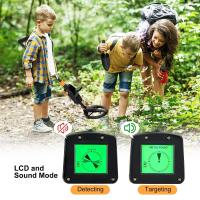
On the flip side, *can* you intentionally detect phones in a non-security context—for example, finding a lost phone buried under a heap of blankets or lodged between cushions? Yes, technically. A decent-grade metal detector should be able to pick up the phone’s signature provided it’s turned off (reducing radio-wave interference) and contains enough detectable metallic components. Some people even use metal detectors to locate phones dropped in sand or grass.
However, don’t expect miracles from the detector when a phone is lost indoors. The electromagnetic fields created by metal detectors can be disrupted or confused by electrical wiring, steel-reinforced walls, and other metallic infrastructure. In these situations, knowing the phone’s approximate location and manually searching is still your best bet.
For the Curious: Alternative Detection Methods
If metal detectors are the first line of defense for mobile phone identification, what about second-line options? Here’s where electromagnetic interference (EMI) detectors and advanced scanners come into play. These technologies don’t just hunt for metallic elements; they’re also capable of detecting high-frequency emissions, which your phone undoubtedly produces when communicating with towers.
Additionally, passive detection systems used by law enforcement or specialized facilities can even detect a phone’s active state, including Bluetooth, Wi-Fi, or NFC transmissions. As impressive as metal detectors are, it’s clear they’re only part of a larger toolkit for identifying modern electronics.
Fun Trivia: The Strange Things Triggering Metal Detectors
Before we wrap up, let’s indulge in a bit of trivia. Metal detectors aren’t just phone hunters—they’ve flagged everything from forgotten hairpins, foil-wrapped gum, and orthopedic implants to a surprise collection of coins accidentally stashed in the pocket of your favorite jeans. The next time your phone sets off the detector, just feel lucky it wasn’t your belt buckle. (We’ve all been there—it simply doesn’t get less awkward.)
In Conclusion
Metal detectors can find phones, and they’re impressively effective at it, too. Whether it’s the magnetic field resonating with your phone’s metallic components or advanced security systems recognizing electronic emissions, there’s little escaping the watchful gaze of modern detection technologies. So, the next time you’re stuffing your pockets before heading through security, take comfort in knowing your metal-carrying gadgets are just predictable enough to ensure smooth passage—and fascinating enough to pique a tech enthusiast’s curiosity.








![Carbon Monoxide Detectors Portable Temperature Detector/Humidity Sensor/Air Quality Meter Smoke CO Gas Monitor [3 in 1] Alarm](https://img.kentfaith.de/cache/catalog/products/de/GW40.0007/GW40.0007-1-200x200.jpg "Carbon Monoxide Detectors Portable Temperature Detector/Humidity Sensor/Air Quality Meter Smoke CO Gas Monitor [3 in 1] Alarm")