Can You Change Bulb In Led Flood Light?
Changing the bulb in a LED floodlight is often misunderstood, primarily because people assume LED lighting operates like traditional incandescent or halogen bulbs. While standard bulb systems allow you to unscrew the old bulb and replace it, LED floodlights are usually designed differently—mostly as integrated, sealed units. The intention behind this design is to maximize energy efficiency, longevity, and durability. But let’s dive deeper into the mechanics and realities here to determine whether swapping the "bulb" is even a practical option, and what alternatives exist.
Why You Can't Simply Swap the Bulb in Most LED Floodlights
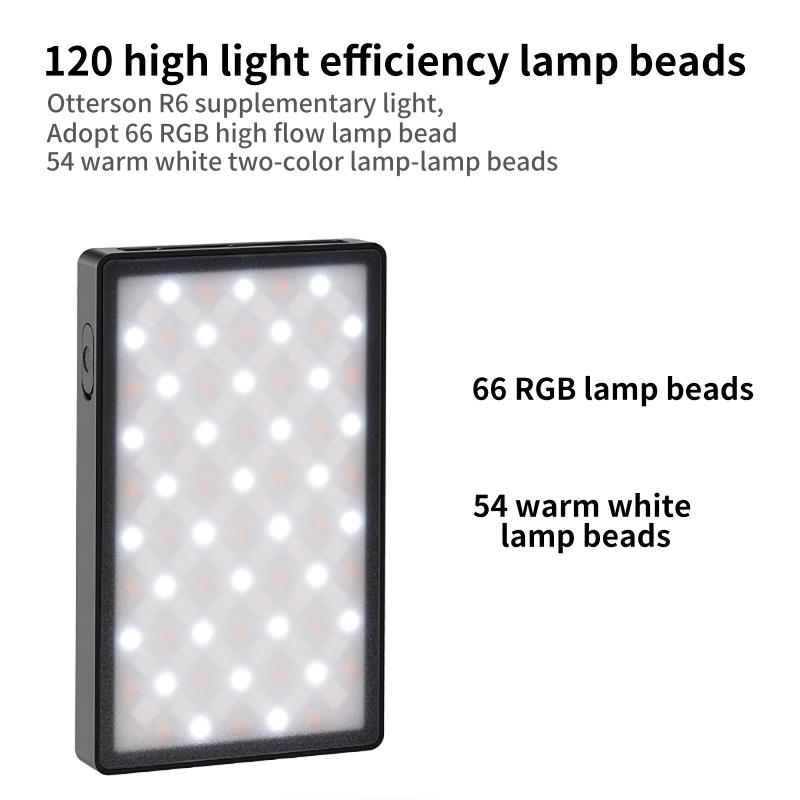
Unlike conventional floodlight systems, most LED floodlights are built with integrated LEDs rather than socketed bulbs. The LEDs are soldered directly onto a circuit board or module inside the fixture. This design is not just a random choice; it's engineered to optimize light performance, heat dissipation, and overall durability. On paper, LEDs are built to last anywhere from 30,000 to 50,000 hours, a stark contrast to the average lifespan of halogen bulbs (around 2,000 hours).
To replace an LED, you would need to effectively dismantle the entire unit—potentially breaking the waterproof or weatherproof sealing that makes floodlights robustly operational in outdoor environments. This sealing is crucial because LED floodlights are often exposed to rain, moisture, dust, and heat, making disassembly risky if you're not familiar with precision electronics work.
When Replacement Is Possible
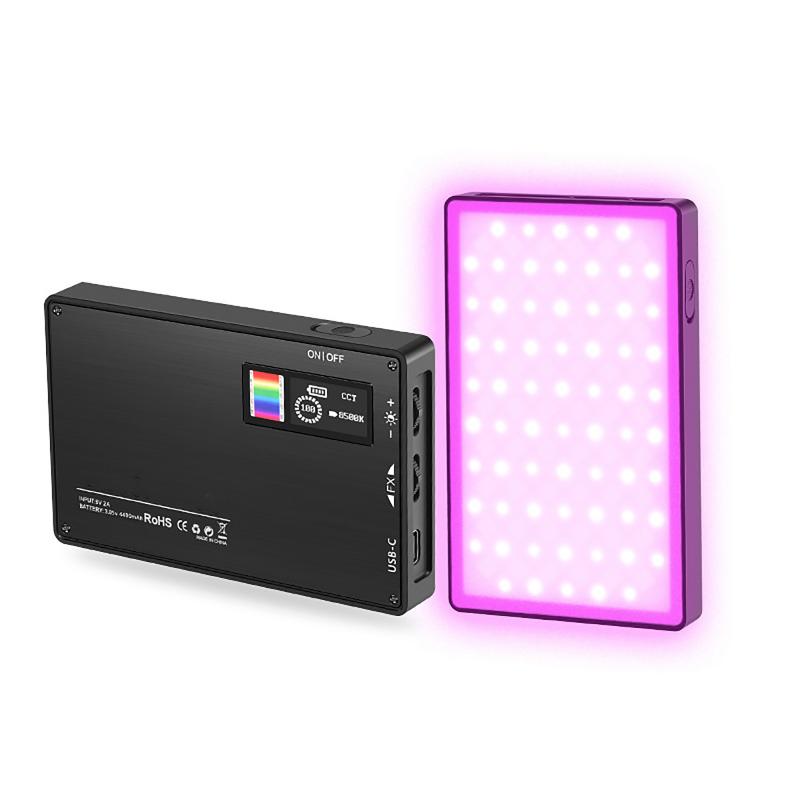
Now, before you throw in the towel, let’s address the exceptions. Some LED floodlights are modular, meaning they are designed with replaceable components, such as LED boards or drivers. These models allow you to replace the failed parts without having to swap out the entire fixture. This type of design, however, is the minority rather than the standard. You’d need to check your floodlight’s manual or contact the manufacturer to confirm if your model supports modular replacements.
If your floodlight is modular:
1. Determine the Faulty Component: Is it the LED itself, the driver (which converts electrical current), or the wiring system? Diagnosing the issue correctly is critical.
2. Acquire Replacement Parts: You'll need exact replacements—no shortcuts here. Manufacturers typically recommend replacements through their authorized dealers to ensure compatibility.
3. Install with Caution: Modular replacement still involves dealing with electrical wiring, circuit boards, and re-sealing the unit afterward. If you're not confident in your skills, hiring an electrician might save time and prevent damage.
What To Do If It’s Not Modular
For non-modular floodlights that are failing or flickering, you’re left with two main options:
Option 1: Replace the Entire Fixture
This may sound drastic, but remember that LED floodlights are built to last for significant periods of time without maintenance. If your unit dies prematurely (say within a few years), it could be due to faulty manufacturing. Check the warranty—many higher-end brands offer warranties between 3 to 5 years.
Option 2: Diagnose and Repair
If you’re feeling bold and confident with electronics, you can attempt a DIY repair. Here's what typically happens during such repairs:
1. Open the Unit: Carefully dismantle the floodlight. You must avoid damaging the waterproof seals unless you're prepared to reseal them.
2. Identify Faulty Components: This step involves access to tools for testing the continuity of electrical components. Faults in the driver or LED matrix are common.
3. Rewiring or Resoldering: If you have replacement drivers or LEDs, you'll need soldering tools and experience to reconnect everything.
4. Resealing: Floodlights exposed to outdoor conditions need re-waterproofing with silicone or similar sealing agents.
While DIY repair can be stimulating for hobbyists, it’s often more trouble than it’s worth for most users. You risk permanent damage or voiding the unit's warranty. Plus, replacement parts aren't universally easy to find.
More Economical Approach: Buy Better Next Time
An old saying goes, "The bitterness of poor quality remains long after the sweetness of low price is forgotten." When buying an LED floodlight, consider reputable brands that offer repair manuals, modular designs, and solid warranties. Avoid models that seem suspiciously cheap; these are often disposable units, even if marketed as being long-lasting.
Here are a few things to consider when buying LED floodlights:
Modular or Integrated Design: As discussed earlier, modular units give you flexibility for repairs.
Heat Dissipation: High-quality LED floodlights feature aluminum housing or heat sinks to manage heat effectively.
Warranty Period: A good warranty signals confidence in product longevity. Aim for at least 3 years.
Lumens vs. Wattage: LEDs are energy-efficient, so comparing lumens (brightness) rather than wattage will give better insight into performance.
Weatherproof Ratings: Look for IP65 or higher ratings for outdoor installations.
Extending the Life of Your Existing LED Floodlights
To avoid dealing with premature failures, let’s discuss preventive maintenance:
1. Install Properly: Always install LED floodlights according to the manufacturer’s guidelines, especially regarding voltage input and environmental exposure. Incorrect installation causes many premature failures.
2. Protect Against Power Surges: Power surges are a silent killer for LEDs. Using surge protectors or consulting electricians for voltage regulation can save your unit from frying.
3. Keep It Clean: Dirt and debris accumulating on the floodlight surface can block heat dissipation or affect transparency and brightness.
4. Avoid Overuse: While LEDs are robust, cycling them on/off rapidly lowers the lifespan of the driver circuit.
In Conclusion
The truth about LED floodlights is awkwardly simple: for most models, you *cannot* replace the bulb because there isn’t a standalone bulb to replace. They are intentionally designed as integrated lighting systems for efficiency and durability. While modular designs exist, they’re not the industry standard yet. Most of the time, replacing the entire unit or consulting a professional is the most practical route when things go south. Even though this might sour the appeal of LED floodlights being "maintenance-free," keep in mind their longevity often makes up for these inconveniences.
Think of LED floodlights as the modern, high-tech equivalent of old-school candle lanterns—we may curse them when they falter, but when they work, they illuminate the nights like nothing before ever could.