How To Mount Binoculars On A Camera Tripod?
Binoculars are a fantastic tool for spotting distant objects, whether you're stargazing, birdwatching, or spotting your neighbor’s dog digging mysterious holes in the backyard. But holding them steady for long periods while dealing with their magnified shake-inducing view can turn any enthusiast into a trembling mess—like sipping coffee during an earthquake. The solution? Mounting binoculars onto a camera tripod for ultimate stability and comfort. Sounds simple, right? It can be, as long as you're armed with the right information. Follow along as I explain the process, step-by-step, and dive into the secrets of achieving a rock-steady setup that ensures your binoculars stay put no matter how hard the ground shakes.
1. Check Your Binoculars for a Threaded Mount
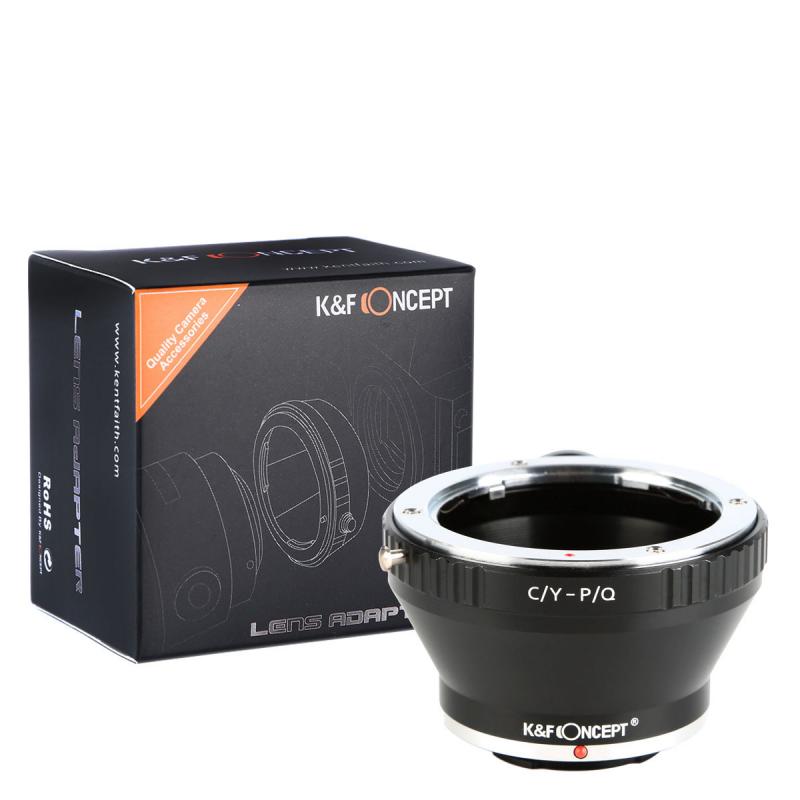
Binoculars that play nice with tripods usually come equipped with one specific feature: a threaded tripod mounting point. Look for a small screw hole or a plastic cover hiding the threaded socket, often located between the two optical barrels or at the hinge of the central bridge. If your binoculars lack this, don’t worry, you’re not doomed to a life of hand-held wobble. There are hacks and adapters that save the day. But more on that later.
If your binoculars *do* have a threaded mount, celebrate briefly before inspecting further! Some binoculars require a separate binocular tripod adapter to connect properly to the mount. These adapters usually resemble a small "L"-shaped bracket designed to screw into the binoculars and attach securely to the tripod.
2. Acquire the Right Tripod
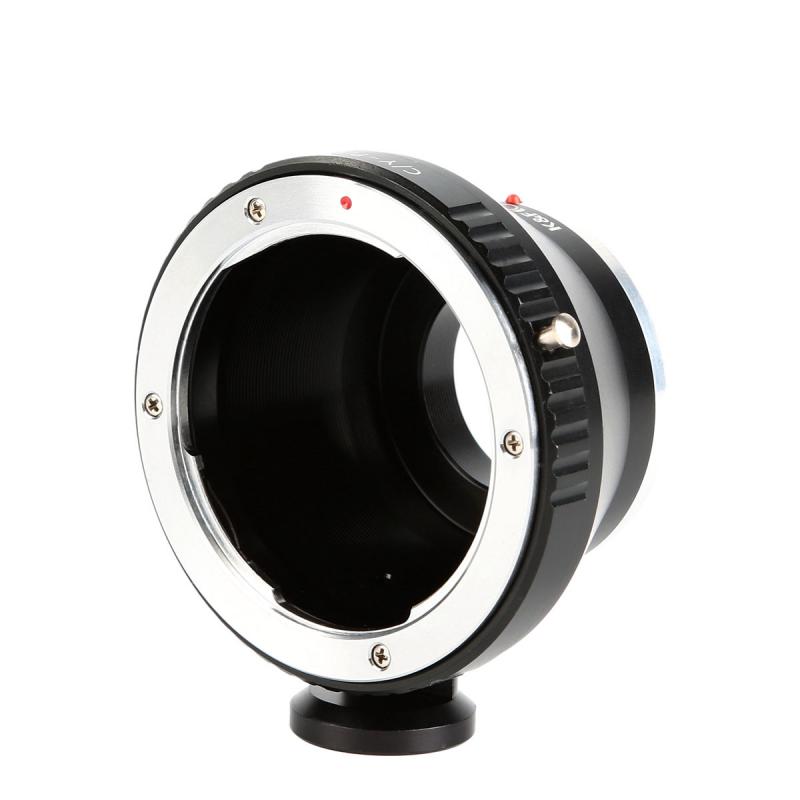
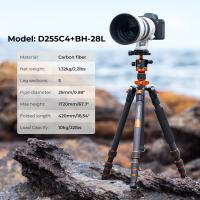
While your camera tripod will likely suffice, not all tripods are equally suited for supporting binoculars. Because binoculars require stability at awkward angles, you'll want a tripod that’s robust and adjustable. A tripod with a ball head that offers smooth, multi-directional movement is ideal for quick changes in viewing angle. If your binocular activity leans toward stargazing or birdwatching, prioritize tripods with height versatility. You’ll thank yourself later when your neck muscles aren’t screaming for mercy.
Also, depending on your scenario, consider tripod weight. Lightweight carbon-fiber tripods are easier to transport for outdoor adventures, whereas heavier aluminum ones offer superior substrate stability, reducing unintended jiggles—great for indoor or long-term stakes in one location.
3. Find the Perfect Binocular Tripod Adapter
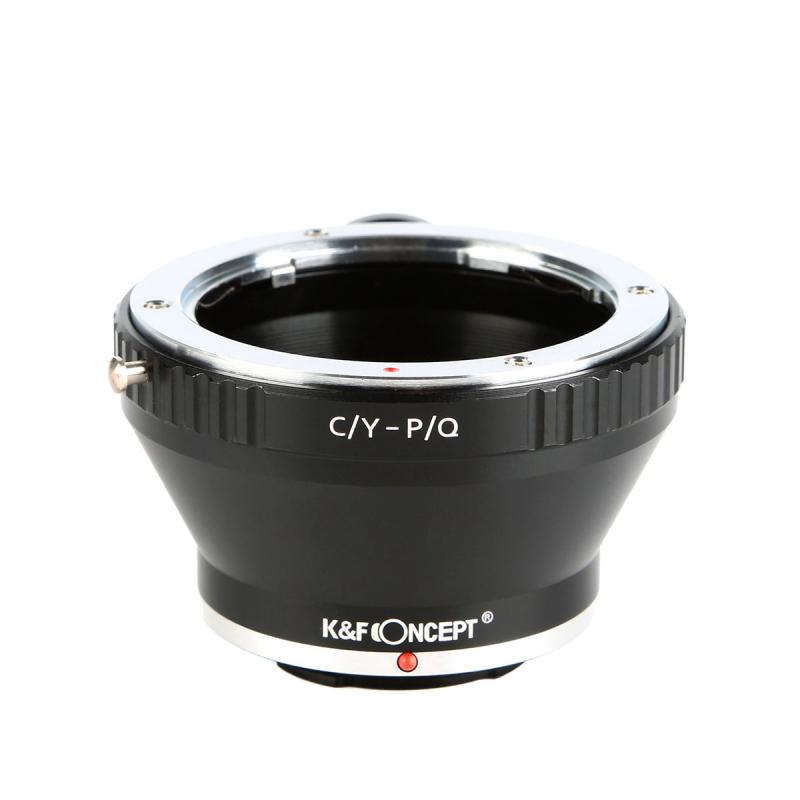
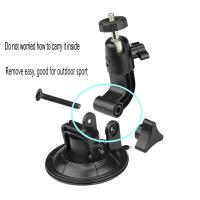
This step separates the pros from the frustrated amateurs who find themselves shouting at inanimate objects. If your binoculars don’t come with a dedicated tripod adapter, you'll need to purchase one separately. These adapters generally feature a screw thread to attach to the tripod head, and another screw to connect to your binoculars' mounting point.
If you’re working with binoculars that lack any threaded mounting socket, don’t despair yet—you’re *just one purchase away* from redemption. Universal clamp-style adapters can physically grip the central hinge area of almost any binocular set. They might seem like the duct tape of the optical world, but they work surprisingly well when you don’t have a mounting thread.
4. Secure the Adapter to Your Tripod
Once you’re equipped with your binocular tripod adapter, it’s time to bring the two worlds—tripod and binoculars—together in holy matrimony. Start by threading the tripod adapter onto the camera tripod’s mounting plate or head. This typically involves twisting the adapter clockwise onto the tripod’s central attachment point until it’s snug and secure.
If your tripod has a quick-release plate (blessed be the engineers who came up with this feature), you’ll first screw the adapter onto the plate, then lock the plate onto the tripod head. Double-check that all connections are firm—you don’t want your binoculars tumbling off mid-gaze!
5. Attach Your Binoculars to the Adapter
Next, screw or clamp your binoculars onto the tripod adapter. If you’re using a threaded adapter that mates with your binocular’s built-in socket, screw them together gently but firmly. Avoid overtightening—apply just enough torque to hold them secure, without stripping the thread.
For clamp-style universal adapters, align the clamp with the central hinge of the binoculars, then tighten it until the binoculars are held snugly in position. Pro tip: Center alignment makes a huge difference in maintaining balance and avoiding awkward tipping.
6. Adjust and Test for Stability
With everything assembled, it’s time to run a stability check. Move the tripod around slightly and adjust its positioning legs to ensure your setup stands firm. Check the tension on the tripod head—some models allow fluid adjustments for smoother panning or angling. Experiment with your binocular angles. Tilting down for terrestrial observations? Tighten the head’s lock knob to eliminate unwanted swivels. Gazing upward toward the stars? Ensure your tripod won’t topple when the binoculars point to infinity.
Once all adjustments are perfect, lean back and admire your handiwork. You are officially the owner of a wobble-free binocular setup that would intimidate even the steadiest of hands.
7. Key Use Case Improvements
Mounting binoculars on a tripod isn’t just about avoiding shaky visuals—it opens up new dimensions of activity. For instance:
Stargazing Bliss: If you’ve ever tried to focus on a specific twinkling dot in the vast expanse above, you know the struggle of hand-held binocular turbulence. A tripod eliminates the guesswork and lets you lock onto celestial objects comfortably.
Birdwatching: Tracking fast-moving birds often requires rapid tripod adjustments. With practice and a swivel-capable tripod, you’ll start feeling like a nature documentarian.
Photography/Recording Hybrid Setup: Many binocular tripod adapters include secondary attachment points for cameras or smartphones. This hybrid setup lets you record detailed close-ups while viewing simultaneously. Perfect for preserving that rare wildlife encounter.
8. Maintenance and Bonus Pro Tips
- *Lubricate Your Tripod Head:* Occasional maintenance using safe greases keeps your swivel mechanisms smooth and professional-grade. Nobody likes a rusty ball head.
- *Don’t Skimp on Tripod Quality:* Bargain-bin plastic tripods often fail under the weight of heavier binoculars. Don’t let budget constraints ruin your investment or your experience.
- *Consider Tripod Accessories:* A weighted bottom hook can add stability during windy conditions. Similarly, consider leg spikes if you’re setting up on uneven natural terrain.
The Final Esteem of Binocular Setups
Congratulations! You've gone from shaky amateur to steady professional in mounting binoculars on a camera tripod. The process may initially seem like trying to assemble IKEA furniture without instructions, but once you've mastered it, you'll wonder how you lived without this stability in your life.
Trust me. A tripod-mounted binocular setup will elevate every viewing experience and save your arms the agony of holding steady. Whether your quarry is stars or sparrows, mount those optics, stabilize like a pro, and let yourself stand in awe of the world around you.