Can You Use Wireless Earbuds In Car?
Wireless earbuds have become a ubiquitous accessory in our tech-savvy world, offering convenience, functionality, and a dash of futuristic flair. But as popular as they are, some intriguing questions crop up when people consider using them in less conventional scenarios, like while driving a car. Is the use of wireless earbuds in such a situation practical? Legal? Safe? Let’s zoom into this topic and explore the nuances of navigating the roads while harnessing the compact powers of your earbuds.
The Basics: Do Wireless Earbuds Work in a Car?

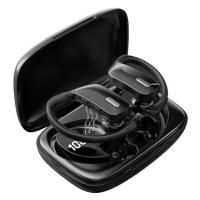
The short answer: yes, they can. Wireless earbuds function via Bluetooth, connecting seamlessly to your smartphone or another compatible device. Whether your car has its own Bluetooth infotainment system or not, this feature of earbuds operates independently of the car's technical setup. If you're streaming music, podcasts, or even using them to make a phone call, wireless earbuds will perform much the same way in your car as they would anywhere else.
However, just because earbuds *can* work doesn’t mean they *should*—and this is where we need to talk about practicality, safety, and legality.
Practicality: What Can You Expect?
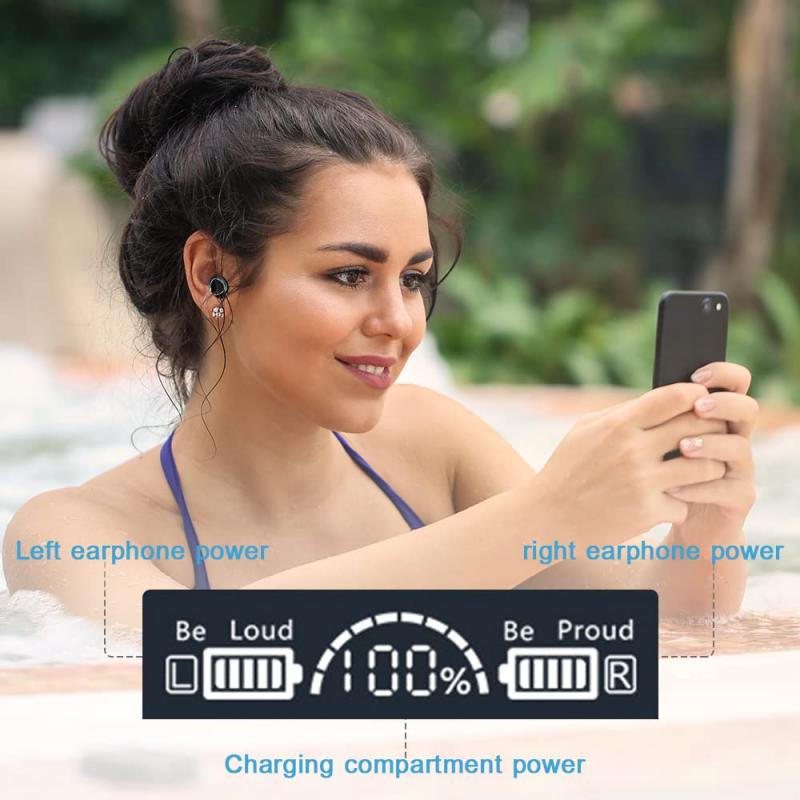
Using wireless earbuds in the car comes with several quirks. On the practical side, having audio pumped directly into your ears can be a blessing. The sound is isolated, crisp, and free from the interference of road noise—great if the car’s environment isn’t conducive to proper audio output. But the flipside of this immersion is that you might unintentionally amplify your distractions as well.
For instance, earbuds that offer Active Noise Cancellation (ANC) could inadvertently block ambient sounds that are critical to driving, like honking horns or emergency vehicle sirens. Driving demands situational awareness, not just of the car’s mechanics, but of its entire environment. Earbuds that mute surrounding realities make navigating this world far trickier. If you’re deeply immersed in your favorite tunes or podcast, it might take you longer to respond to external cues—an obviously problematic situation for anyone operating a two-ton machine on the road.
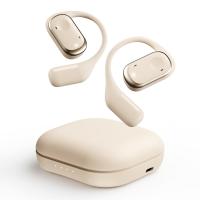
Additionally, consider how earbuds fit snugly inside your ears. This physical design might not be comfortable for extended periods behind the wheel.
If the buds slip or require adjustment while driving, you might find yourself fumbling with them. Such moments can lead to hand-eye coordination failures and put you at risk of accidents—not exactly the convenience you’d hoped for when first picking up those earbuds.
Safety: Is It a Good Idea?

Here’s the kicker: while wireless earbuds might enhance your audio experience in a car, they are far from an optimal choice for safe driving. In general, both ears need to be engaged with the auditory aspect of external signals—like the noise of the engine or tire screeches. Wireless earbuds, particularly premium models, often encapsulate you in an auditory bubble. As a result, critical information from the car’s mechanical feedback might be missed.
For typical drivers, earbuds compromise your ability to assess and respond to real-world noises. Imagine cruising down the freeway when a motorcycle veers into your blind spot—it’s the sound of their engine that gives you context before their flashing lights enter your vision. Plugged-up ears reduce your awareness of these crucial sound-based cues, which are the bread and butter of defensive driving.
Moreover, single-earbud use—a common alternative—doesn’t entirely solve the problem. While leaving one ear free mitigates the total loss of environmental sound, it introduces a lopsided auditory input that may still impair your sense of direction.
On top of all that, fatigue plays a sneaky role. Driving is a mental exercise requiring sustained attention. Multitasking—listening to music or answering calls via earbuds—splits your cognitive focus and can speed up fatigue caused by prolonged over-stimulation. Fatigued driving is just as dangerous as distracted driving, and wireless earbuds can subtly help nudge you down that path without warning.
Legal Implications: Navigating the Rules

The legal dimension to this issue will vary depending on where you’re located. In many regions, laws that govern the use of earbuds, headphones, and audio devices while driving are either strict or ambiguous enough to warrant caution. Some jurisdictions expressly prohibit any kind of earwear when driving, classifying them as impediments to full auditory awareness. Others allow single-earbud use, although even that's often discouraged by local authorities.
The underlying principle in these laws is safety. Their purpose is to prevent distractions and ensure that drivers are fully engaged with their sensory environment. If wearing earbuds—or worse, blasting music through them—clashes with this guideline, you could be ticketed for distracted driving. Alternatively, you could face more severe legal consequences in the event of a collision attributed to fault on your part. So, researching and understanding your local traffic laws is key before you hit the road with your earbuds tucked snugly into place.
The Alternatives: A Smarter Way to Drive and Listen
If you’re determined to stay connected or entertained while driving, there are better methods to achieve this than relying on wireless earbuds. Here are some alternatives:
1. Car Bluetooth Systems: Most modern vehicles are equipped with Bluetooth capabilities that allow you to sync audio devices effortlessly. Invest in using your car’s built-in system, which ensures your music or calls aren’t cutting you off from crucial environmental cues.
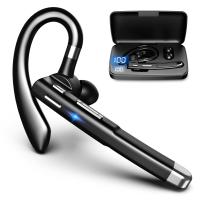
2. Dedicated Hands-Free Kits: These are external Bluetooth solutions designed specifically for driving. They clip onto your sun visor or dashboard, prioritizing safety-conscious designs that don’t isolate your audio experience.
3. Single Bluetooth Speakerphone: Placed strategically in your car, these devices amplify phone calls or media playback without blocking external sounds.
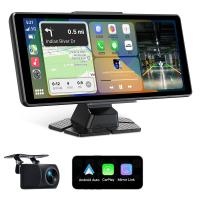
4. Advanced Dashboard Displays: A good-quality infotainment system integrates GPS navigation, telephony, and media controls directly onto your dashboard. Combined with voice-assistant compatibility, it enables hands-free interaction.
If you’re driving an older vehicle that lacks connectivity, affordable upgrades like an aftermarket Bluetooth receiver plugged into your stereo can make a world of difference. These systems deliver high-quality, immersive audio without tinkering with earbuds.
Final Thoughts: Should You Use Wireless Earbuds in a Car?
While the sleek comfort of wireless earbuds is tempting to carry over into your driving experience, their practicality is significantly outweighed by their potential safety and legal risks. Driving requires your full attention—not just a focused mind, but a fully engaged set of senses. Ultimately, your goal is to minimize distractions for yourself and maximize your awareness for the safety of others on the road.
Should you continue to use wireless earbuds despite these concerns, take mitigating steps. Rely heavily on passive listening instead of active noise-cancellation modes. Use only one earbud and opt for lower volume levels. But be honest with yourself: are wireless earbuds really an improvement over safer, more integrated audio options already available?
Sometimes technology’s coolest gadgets don’t need to follow us into every aspect of life—especially when that life involves driving through dynamic environments with mobile chaos on every corner. The open road belongs to all of us; save the earbud isolation for coffee shop sessions or jogging through parks instead. You—and your fellow drivers—will thank you for it.