Where To Clip Lavalier Microphone?
Finding the perfect spot to clip a lavalier microphone is a bit like trying to locate the sweet spot in a cup of coffee: it’s all about balance. The placement of your lavalier mic can be the difference between sounding like a golden-throated podcast host or someone struggling to be heard above the chaos of background noise. In this article, we’re going to dive into the factors that dictate microphone placement, practical tips for optimal positioning, and a little troubleshooting for when things aren’t sounding quite right.
Let’s start with the basic concept: lavalier microphones are designed to be unobtrusive while capturing clear, focused audio. They're not meant to pretend to be your centerpiece accessory, but rather to sit discreetly near your voice source. Generally, a lav mic is clipped onto your clothing, close to your mouth. But as it turns out, "close to your mouth" is more of a guideline than a rule. Its precise placement depends on your intended use case.
Ideal Placement Zones: The Goldilocks Principle
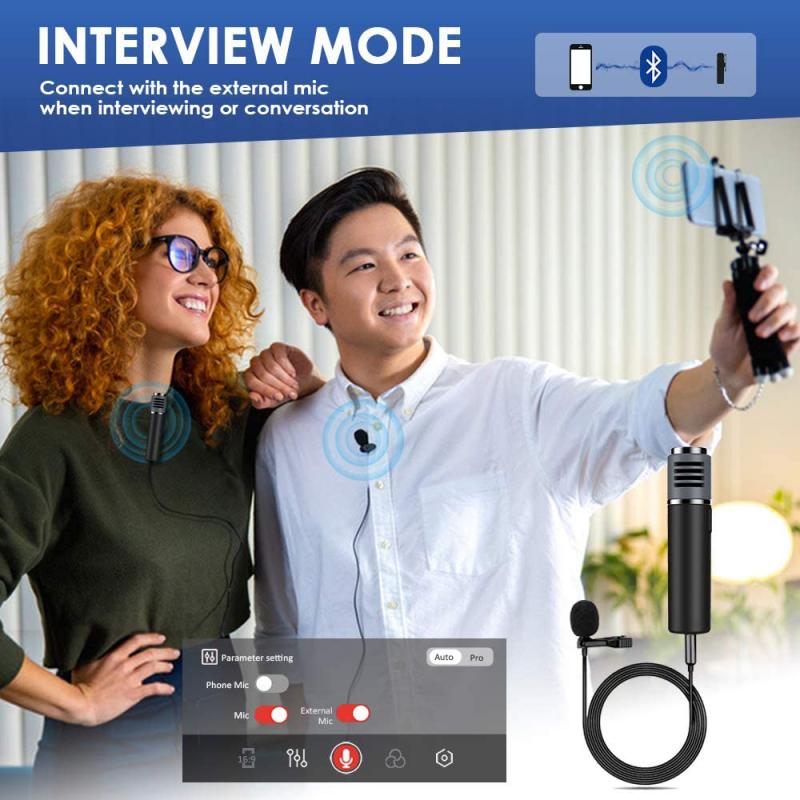
When deciding where to clip the lav mic, you’re dealing with a balance of proximity and discretion. You want the microphone close enough to your mouth for clear pickup, but not so close that it amplifies every breath or lip movement.
1. Chest Placement
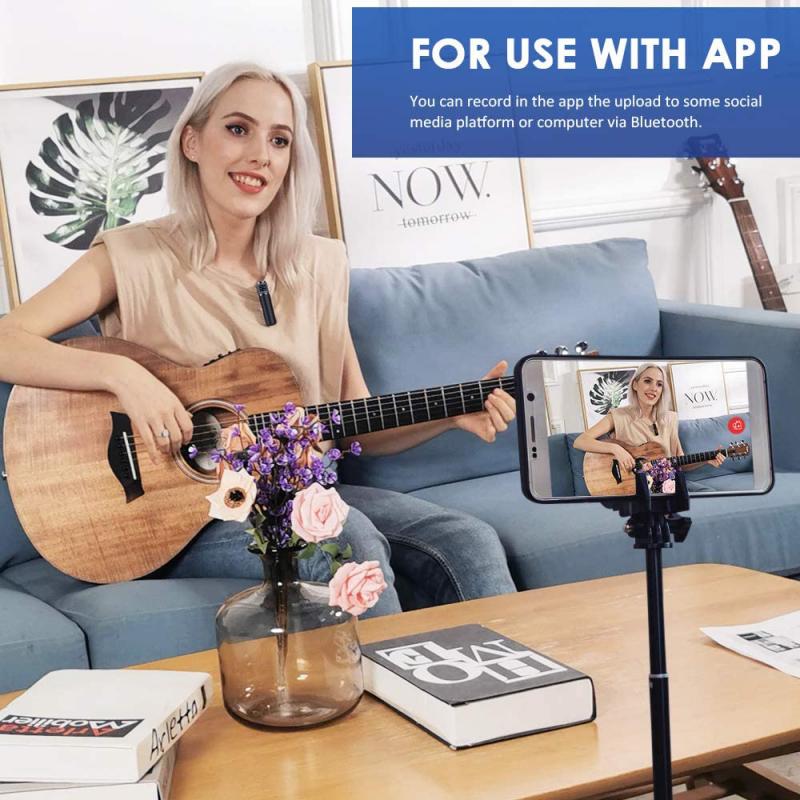
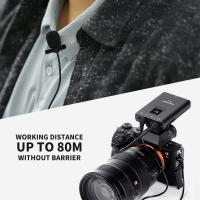
The most common and safest bet for placement is about 6 to 8 inches below your mouth on the centerline of your chest. This standard positioning provides an ideal mix of range to your voice and a manageable amount of environmental noise. Clipping the mic here works well for conversations, presentations, interviews—most scenarios where you want consistent audio quality.
This spot keeps the mic slightly out of the “noise danger zone.” If clipped too high (e.g., near the neck area or close to your throat), it may pick up exaggerated breathing sounds. Too low, and you end up at risk of muffled audio as your voice fights gravity to reach the mic.
2. Collar Placement
If your chest placement isn’t feasible (e.g., you’re wearing something with lightweight fabric that doesn’t hold the clip securely), your collar can be a solid alternative. Though slightly off-center, a mic clipped to the collar still maintains good proximity to your voice. When using this position, aim to place it on the side closest to your usual speaking direction. If you’re facing forward during a presentation, keep the mic in a balanced position where your voice isn’t projecting away from the pickup pattern.
3. Lapels or V-Neck Lines
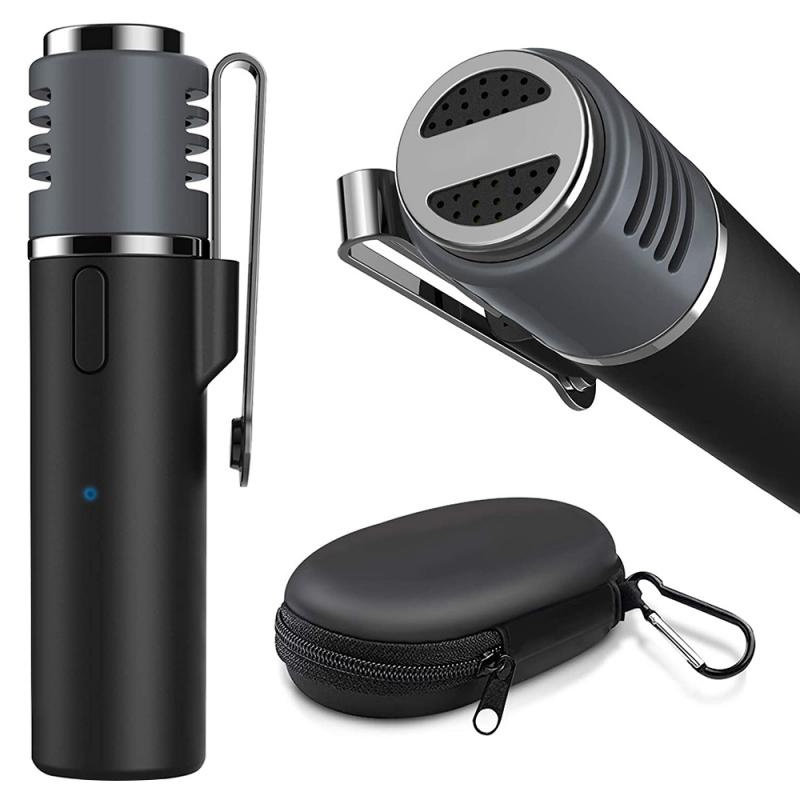
Here’s where fashion meets functionality. If you’re wearing a buttoned shirt or a suit jacket, the lapel area can serve as a visually discreet yet acoustically effective option. Keep the mic away from folding seams to minimize noise disturbance from rustling fabric.
With V-neck tops, you can clip the lavalier along the edge closest to your chest line without risking too much "audio drift"—which is what happens when sound waves lose their way because your mic is insecurely placed.
4. Tie Clip or Hidden Preferences
For formal events or instances where discretion is key, you can clip your lavalier mic to the underside of a tie—or even tuck it into a tie knot. Pro tip: If you’re hiding the mic under clothing, make sure there’s a tradeoff; while hidden microphones score points for visuals, the risk of muffled audio or fabric noise increases. Combat this by avoiding heavy layers or overlapping cloth.
5. Unusual Placement (Creative Necessity)
Sometimes, the use case demands clipping your lav mic somewhere unconventional. For interviews or discussions that require active movement, such as exercise demonstrations, lavalier mics can be clipped onto workout gear like sports collars. Just ensure balance—too far from your mouth, and the mic becomes a background noise collector instead of your voice’s best friend.
Fabric and Clothing Considerations
Not all clothing is lavalier-friendly. A sturdy material, like cotton or polyester, will generally keep the clip secure. Lightweight fabrics or overly thick layers can lead to frustrating positioning battles. If your outfit includes patterns, watch for visual interference—a mic clipped on polka dots might look like it’s participating in the pattern, rather than staying discreet.
And don’t forget about jewelry. Necklaces, dangling earrings, and even some pins have a tendency to interfere with lav placement. If you're going for a polished look, double-check that your mic isn’t competing with a jangly accessory.
Audio Optimization Checks
Human beings are not sedentary creatures. Even when seated, we have a tendency to shift, twist, move—and all of this can impact the mic’s ability to stay in its sweet spot. After clipping the mic, take a moment to check the following:
Rub Test: Wiggle your clothing slightly near the microphone. Does it pick up rustling? Adjust until fabric noise is minimized.
Range Check: Speak into the mic and listen to playback. If your voice sounds too distant or tinny, the mic might need closer placement.
Consistency Test: Perform small movements or turn your head to simulate natural habits while speaking. If movement dramatically alters the audio, tweak the positioning so the mic is more “movement-proof.”
Troubleshooting Common Issues
Even with optimal placement, life happens. Here’s how to troubleshoot some typical lav mic challenges:
1. Fabric Noise
If your mic picks up rustling when you speak or move, consider using a windsock or a microphone concealer designed to minimize fabric interference. Alternatively, try repositioning the mic slightly away from cloth layers—sometimes simply rotating the mic toward open air solves the issue.
2. Breath Sounds
If every breath you take (and every move you make) results in audible disturbances in your recording, lower the mic by an inch or two. Placing it in the chest zone reduces direct airflow sensitivity.
3. Volume Fluctuation
Uneven mic positioning or frequent body movements can lead to audio levels that feel like a rollercoaster ride. If this happens, use an omnidirectional lav mic that picks up sound uniformly from all angles, ensuring less dramatic variation.
The Lav Mic Paradox: Seen but Not Heard
The ultimate mic placement goal is stealth—close enough to capture sound without becoming the center of attention. Aim for natural placement zones that balance audio clarity with visual subtlety, whether you’re streaming content for the masses or recording a private conversation.
Wrapping things up, remember that the lav mic’s superpower lies in its ability to listen intently wherever you decide to place it. Treat placement like a dance between function and aesthetics. Test, adjust, and fine-tune—because sometimes, your voice only gets one shot at being unmistakably heard!