Where To Install Action Camera?
When it comes to using an action camera, one of the most important considerations is where and how to install it for optimal performance, capturing the right perspective, and ensuring safety for both the camera and the user. In this article, we’ll examine different installation options for action cameras and provide practical guidance so you can choose the setup that best aligns with your activity, environment, and objectives.
Factors to Consider Before Installation
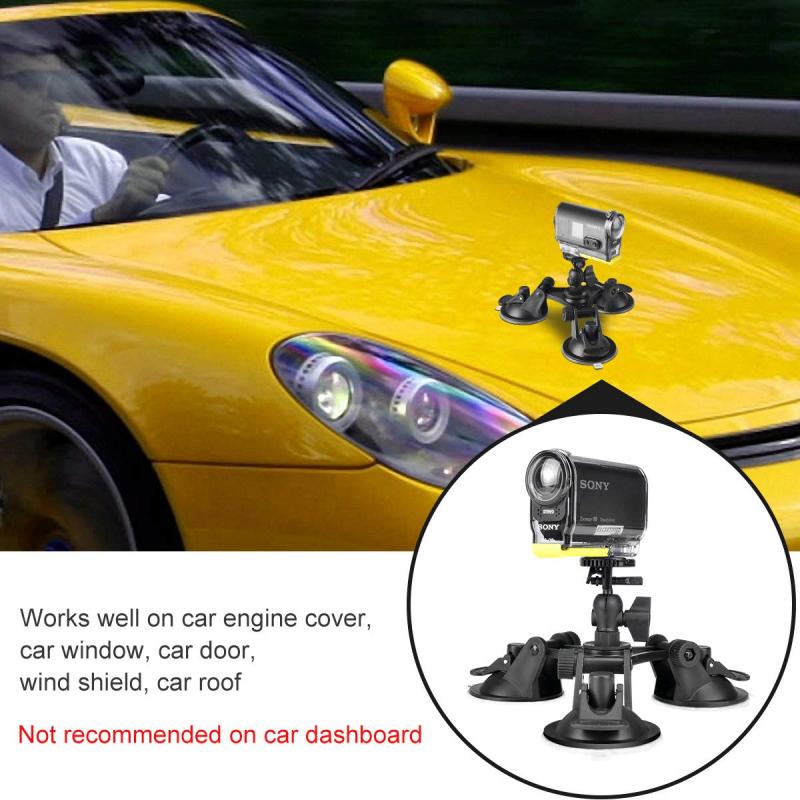
Before delving into specific installation options, it’s essential to evaluate several important factors:
1. Activity Type: The placement of your action camera will largely depend on the type of activity you're engaging in. For example, mounting a camera for skiing will differ significantly from a bike ride or a scuba-diving session.
2. Perspective: The perspective you want to capture will dictate the location of installation. Do you want a first-person view? A third-person rear shot? Or something more dynamic, like a side profile?
3. Stability and Safety: Action cameras are designed for motion but need a stable mounting system. A poorly secured camera can result in shaky footage or—even worse—camera damage or loss during activities.
4. Viewing Angles and Accessibility: Ensure the camera angle adequately captures your desired field of view while being accessible for adjustments during use.
Understanding the above four factors can help you refine your installation strategy.
Where to Install an Action Camera: Common Methods
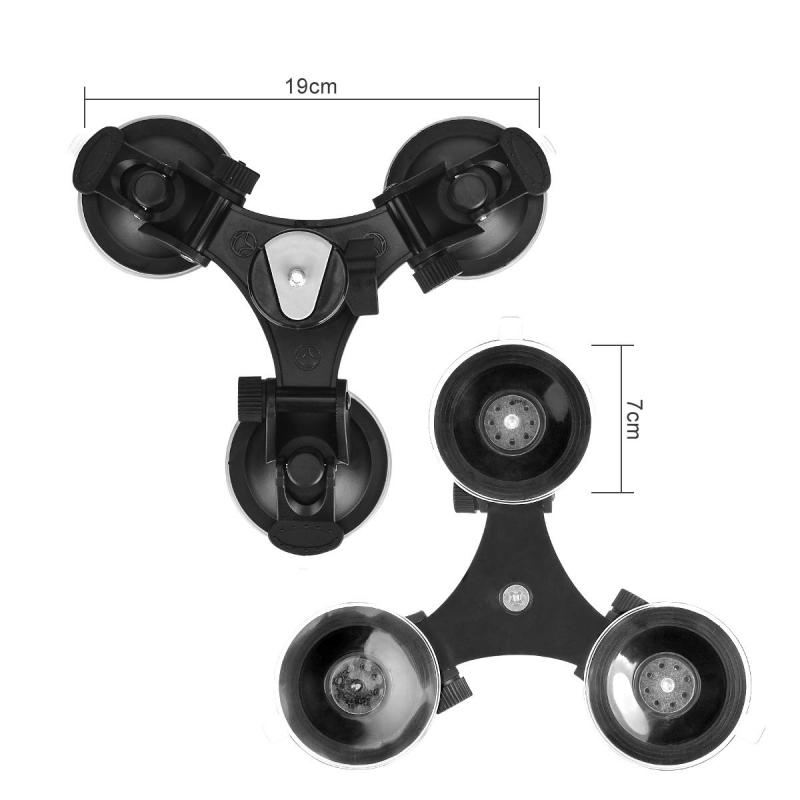
1. Helmet Mount
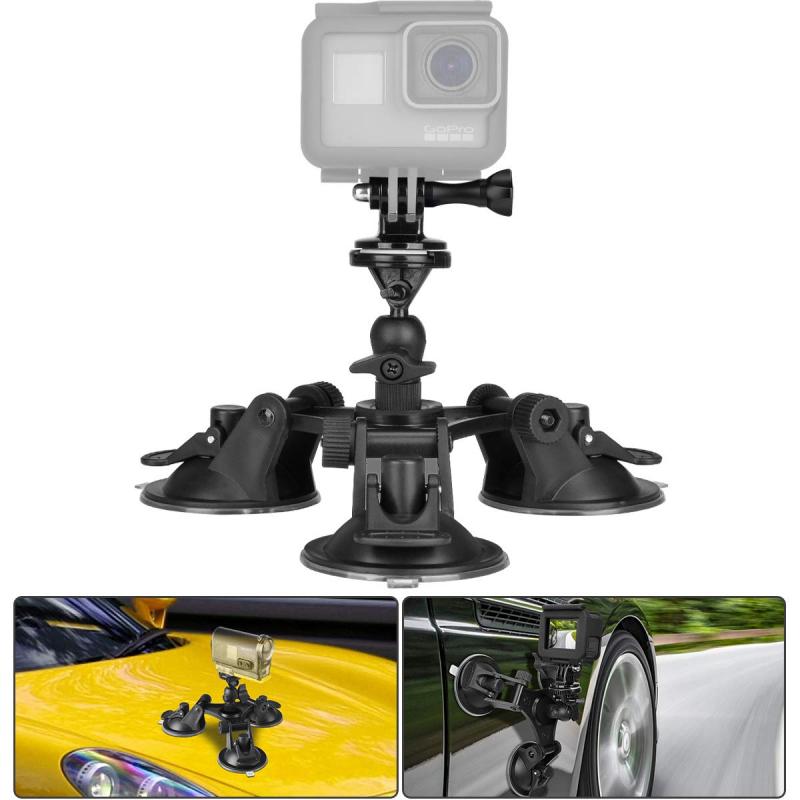
Helmet mounts are one of the most popular placements, especially for outdoor enthusiasts engaging in snowboarding, skiing, cycling, or climbing.
Pros:
- Provides a first-person view, immersing viewers directly into your perspective.
- Captures landscapes and movement in the direction you're looking.
Cons:
- May unbalance the helmet’s weight slightly depending on the camera’s size.
- Helmet obstructions (like visors or peaks) can sometimes partially block the view.
Installation Tips:
- Use adhesive mounts for a strong grip.
- Secure the camera with a tether to prevent loss if dislodged during activities.
2. Chest Mount
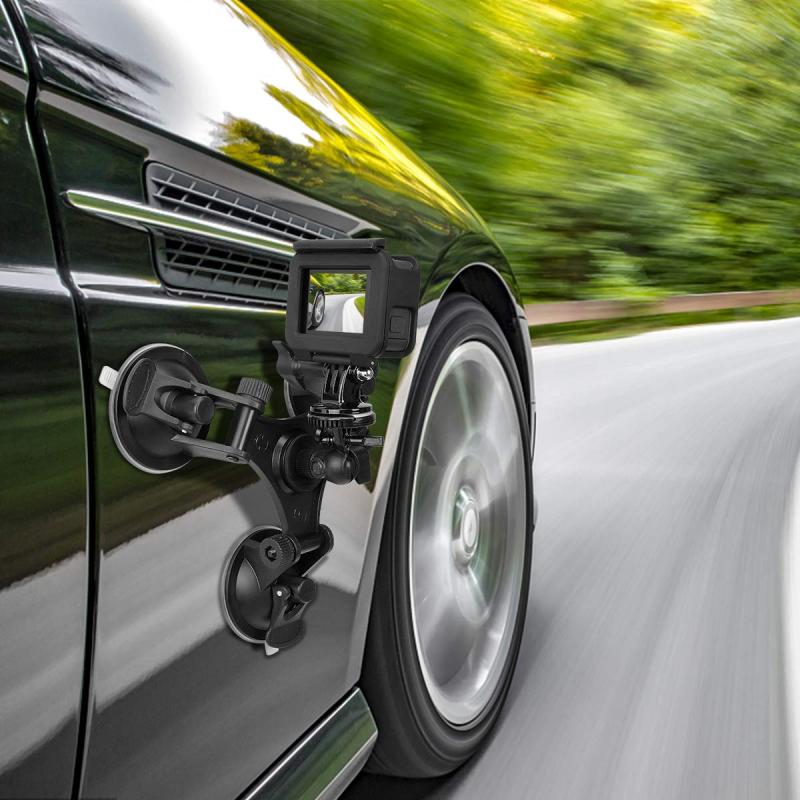
Chest harnesses are ideal for activities like mountain biking, rock climbing, kayaking, or skiing as they offer a stable, center-line perspective of your activity.
Pros:
- Provides a lower-field view compared to the helmet, capturing more of your arms, chest, and tools (e.g., handlebars or paddles).
- The mount is less prone to accidental detachment compared to head mounts.
Cons:
- Certain upper-body movements may block parts of the footage.
- Not ideal for very dynamic or acrobatic activities involving frequent torso rotation.
Installation Tips:
- Adjust the straps for snug fit stabilization.
- Aim the camera slightly upward for a wide and balanced view.
3. Handlebars or Equipment Mount
Installing an action camera on handlebars, bikes, motorcycles, or other gear is great for ensuring a steady perspective of the equipment and its motion.
Pros:
- Ideal for cycling, motorcycling, or equipment-focused activities.
- Offers steady footage since the mount is even and level.
Cons:
- Limits perspective to the viewing direction of the equipment (e.g., forward-facing if fixed on handlebars).
- Vibrations from the equipment can impact footage quality.
Installation Tips:
- Anti-vibration mounts or dampeners can prevent shaky footage.
- Ensure the mount is fixed tightly to avoid slipping during high-speed or uneven terrain.
4. Selfie Stick or Handheld Mount
Handheld mounts or selfie sticks work well when you want flexibility in capturing angles. They are popular for vlogging, travel diaries, and other handheld filming purposes.
Pros:
- Offers maximum control over angles and perspectives as you can manually adjust.
- Suitable for stationary shots or light activities like hiking or casual walks.
Cons:
- Difficult to stabilize during motion-heavy activities.
- Requires continuous handling or supervision, which may be inconvenient during vigorous physical activity.
Installation Tips:
- Attach wrist straps for added security to prevent accidental drops.
- Use a gimbal stabilizer if possible for smoother, professional-looking footage.
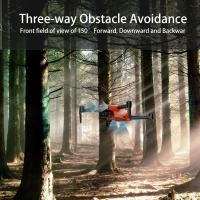
5. Drone Mount
Action cameras can be installed on drones for aerial footage. This setup is excellent for capturing expansive landscapes, group activities, or unique perspectives.
Pros:
- Provides unparalleled angles and dynamic views.
- Suitable for high-quality shots of extreme sports, scenic places, or large-scale events.
Cons:
- Requires a compatible drone system.
- Battery and storage limitations on both the drone and camera may restrict usage time.
Installation Tips:
- Confirm the compatibility of the drone mount with your camera model.
- Practice flying in open areas to master aerial positioning and maintain camera safety.
6. Surfboard, Skateboard, or Other Sports Gear Mount
Action cameras can be attached directly to sports gear to record vivid, close-up shots of the activity.
Pros:
- Immersive shots for surfboarding, skating, or similar sports that traditional mounts can’t capture.
- Gear-mounted cameras usually stay stable if installed correctly.
Cons:
- Specific to sports requiring specialized mounts.
- Mount sites must handle intense vibrations or surface impacts.
Installation Tips:
- Use waterproof cases for aquatic sports.
- Reinforce mounts with adhesive and locking mechanisms for high-intensity use.
7. Clothing or Shoulder Mount
These mounts adhere directly to your clothing, backpack straps, or shoulders, offering a versatile installation for various outdoor activities.
Pros:
- Lightweight and easy to access during movement-centric activities like hiking or climbing.
- Captures natural perspectives of motion without requiring specialized equipment.
Cons:
- Clothes or straps may interfere with the footage.
- Requires proper weight balance to avoid discomfort while wearing.
Installation Tips:
- Securely attach the mount to avoid slipping during strenuous movements.
- Use mounts with quick-release options for easy adjustments.
Choosing the Best Mount for Specific Activities
Now that we’ve explored installation options, let’s match them to common activities:
Cycling/Motorcycling: Handlebar, chest harness, or helmet mounts are ideal for these.
Swimming/Diving: Surfboard mounts or chest mounts with waterproof housings work best.
Climbing: Helmet mounts or shoulder mounts offer clear motion shots while keeping your hands free.
Aerial Shots: Drone mounts provide unique perspectives but require remote setup.
Running/Hiking: Chest mounts or shoulder mounts are user-friendly choices.
Team Sports: A side-field drone capture or tripod setup helps record large areas.
Your decision should marry the type of mounting option to the type of activity for maximum filming impact.
Additional Installation Tips
1. Test Before Use: Always test footage after initial setup but before your activity begins. Check stabilization, lighting, and field of view.
2. Lightweight Design: Opt for lightweight mounts and cameras to reduce fatigue or imbalance during use.
3. Backup Accessories: Carry extra mounting hardware, such as adhesives, screws, or clips, as these can wear out or detach.
4. Battery and Storage: Ensure your camera is fully charged, and have spare memory cards to capture all your desired footage.
5. Use a Waterproof Case: If engaging in water-related sports, protect your camera with a waterproof case to ensure durability and functionality.
Installing an action camera isn't just about attaching it securely—it’s about optimizing perspective, adjusting for stability, and tailoring the setup for the activity you're performing. Whether you're hiking in the mountains or surfing vibrant waves, a proper installation choice will empower you to create dynamic footage that captures your adventures vividly.
By exploring various mounting locations—be it helmets, chest harnesses, handlebars, drones, or sports gear—you can find the perfect installation for your needs. Remember, the right setup enhances your footage quality while ensuring convenience, safety, and a pleasurable filming experience. Embark on your next adventure armed with this knowledge, and turn your action camera into a powerful storytelling device!