How to Clean Bird Feeders – A Comprehensive Guide for Healthy Backyard Birding
Keeping your bird feeders clean isn’t just about aesthetics—it’s about protecting bird health, preventing disease spread, and ensuring a vibrant environment for your feathered visitors.
Below is a clear, structured, professional-level blog post designed to deliver full value: the what, why, when and how of cleaning bird feeders, plus some less common insights.
1. Why Cleaning Your Bird Feeders Really Matters
Bird feeders are communal dining areas for wild birds—a hotspot for waste, old seed, moisture and microbes. According to the Cornell Lab of Ornithology:
-
Moldy or decomposing seed and hulls can make birds sick.
-
Bird droppings and dirty feeder surfaces can spread diseases such as salmonellosis, avian pox or fungal infections.
-
The area beneath feeders also matters: old seed, hulls and feces attract rodents and add further disease risk.
By maintaining clean feeders, you help ensure that your backyard bird-photography sessions are both enjoyable and safe for your avian subjects.
2. How Often Should You Clean?
Timing is key. Cleaning frequency depends on weather, feeder type, seed volume and bird traffic:
| Feeder Type / Condition | Minimum Cleaning Frequency |
|---|---|
| Standard seed feeder in normal weather | About every 2 weeks |
| Heavy use / wet conditions / many species | Once a week or more often |
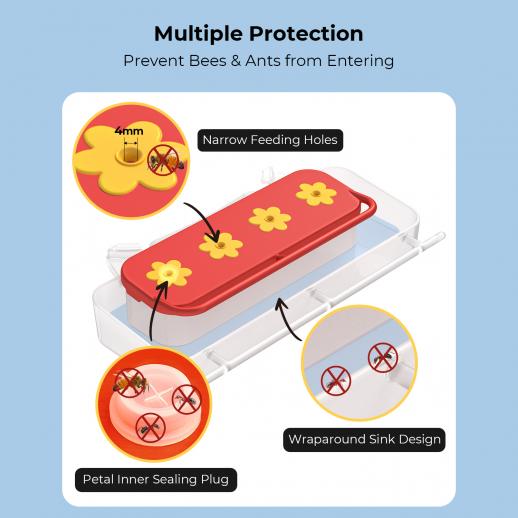
| Nectar or hummingbird feeder | Every 3-5 days, or even every 1-2 days in very hot weather |
| Area beneath feeders (hulls/droppings) | Clean up weekly or more to keep buildup down |
Tip: If you spot sick birds near your feeder, increase cleaning frequency immediately.
3. Step-by-Step Cleaning Procedure
Here is a professional-grade cleaning routine that covers typical seed feeders (tube, hopper, tray) and notes special care for nectar feeders.
Step 1: Disassemble & empty
-
Remove the feeder from its hanging or mounting point.
-
Discard any leftover seed or food—old or damp seed is a major risk.
-
Lay out parts on a clean surface.
Step 2: Pre-rinse & scrub
-
Use hot water and a mild dish soap to wash all parts (inside and outside).
-
Use a bottle brush or old toothbrush to access small holes, perches and feeding ports.
Step 3: Disinfect
-
Prepare a bleach solution: 1 part bleach to 9 parts water (≈10% bleach solution).
-
Soak fully if feeder material allows (plastic or metal). For wooden feeders, take care as wood may absorb moisture.
-
Soak for about 10 minutes as recommended.
Step 4: Rinse & dry thoroughly
-
Rinse all parts thoroughly with clean water until no bleach smell remains.
-
Let all components air dry completely before refilling. Moisture left inside can lead to seed spoilage.
Step 5: Clean feeder site & refill
-
Use this time to clean the ground beneath the feeder: remove hulls, droppings, spilled seed. A rake or shop-vac works well.
-
Reassemble the feeder and refill with fresh seed only when all parts are dry.
Special Care: Nectar / Hummingbird Feeders
-
Remove old nectar and wash with hot water only; soap is not recommended for nectar feeders unless heavily soiled.
-
In hot weather, clean every 1-2 days. Replace nectar solution frequently.
-
Avoid detergents that may leave residue harmful to hummingbirds.
4. Materials, Tools & Safety Considerations
Here are what you’ll want to have on-hand and things to watch out for:
| Tool / Material | Purpose |
|---|---|
| Rubber gloves & protective eyewear | To protect from bleach or seed dust bacteria. |
| Dedicated bucket or tub | For soaking feeders in bleach solution. |
| Soft brush / bottle brush / old toothbrush | Clean small feeder holes and feeding ports. |
| Mild dish soap | For pre-scrub stage. |
| Bleach (household) diluted as per guidelines | For disinfection. |
| Drying rack or towel in a garage/outdoor space | Ensures complete drying before refill. |
Safety note: Always wear gloves when using bleach, keep bleach solutions away from pets/kids, and never mix bleach with other cleaning chemicals.
5. Less Common “Pro” Tips You Might Miss
-
Move feeder location occasionally. Studies suggest shifting feeder location just 20 ft can reduce disease transmission among birds.
-
Wood vs. plastic/metal feeders. Wooden feeders can harbour bacteria more easily; if cleaning is difficult, consider switching to plastic or metal models.
-
Alcohol wipes for quick clean. Some birding forums recommend using 70% ethanol (rubbing alcohol) to wipe perches and feeding ports for quick interim cleaning.
-
Check seed quality. Even a clean feeder with old, damp or rancid seed can harm birds. Ensure seed is fresh and stored properly.
-
Observe bird behaviour. If you see fluffed-up, lethargic, or visibly ill birds, remove the feeder, clean thoroughly, and delay refil-ling for 2 weeks.
6. Summary – Key Takeaways
-
Cleaning is essential to prevent disease, spoilage and contamination.
-
Clean every 1-2 weeks, or more often in hot, humid or high-use conditions.
-
Stick to a process: empty → scrub → soak → rinse → dry → refill.
-
Use proper tools and safety precautions.
-
Consider additional hygiene measures: moving feeders, wiping perches, checking seed.
-
A well-maintained feeder not only supports bird health but improves your bird-watching (and photo) experience.
Final Thoughts
Cleaning bird feeders might seem like a chore, but it’s one of the most impactful ways we can support wild birds—and enjoy them safely—from our backyard. Much like how a camera lens needs clarity to capture the perfect shot, a feeder needs cleanliness to allow birds to thrive.
By following the detailed steps here—along with the not-so-common professional tips—you’ll create a healthy feeding station that birds will return to again and again. And for those of us into photography, that means sharper shots, more visits and fewer worries about disease or spoiled seed.
Happy bird-watching—and much clearer feeder stations ahead!