How Bright Is A Red Light Camera Flash?
Red light camera flashes are pretty hard to miss. They’re designed to be noticeable for a reason—it’s like the camera equivalent of the universe giving you the “I see what you did there” face. If you’ve ever run a red light and been caught mid-act, you’ve likely encountered this intimidating flash, which sparks a cascade of regret (and possibly creative excuse creation) before the regret morphs into frustration about your impending ticket bill. But what actually goes into the science and design of these flashes? Let’s unpack this, layer by layer, to shed light (pun absolutely intended) on the subject.
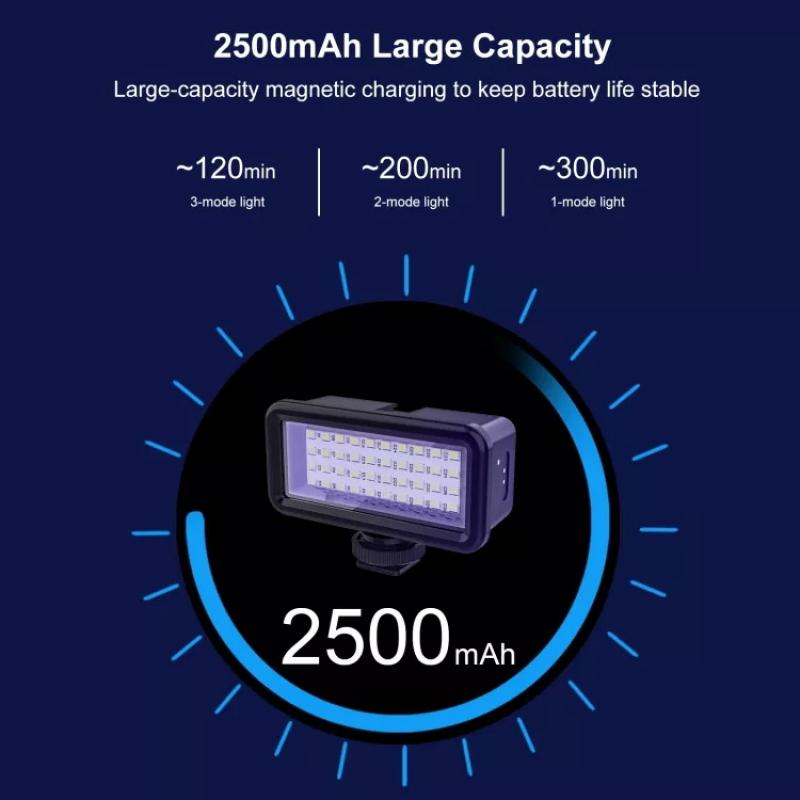
First off, red light camera flashes operate in a way that ensures they can capture a clear image in a wide range of lighting conditions. The flash itself is usually a bright burst of light emitted by a Xenon flash lamp or an LED strobe. It’s designed to be bright enough to illuminate vehicles during nighttime and low-light conditions without being so overpowering that it blinds drivers. In simpler terms, they’re calibrated for visibility, not to turn your car into a temporary film set for a Michael Bay production. However, to achieve this balance, engineers walk a fine line. They have to factor in the reflectiveness of surfaces like car paint, windows, and license plates, as well as environmental factors like rain or fog, which can dampen visibility. But how bright is "bright"?
To quantify brightness, engineers measure light in units called lumens. While specifics can vary based on the model and manufacturer, red light camera flashes typically range between 800 and 1200 lumens. To give you perspective, a flashlight often operates at about 100 lumens, and a smartphone flashlight might hit a modest 40-60 lumens. Red light camera flashes are significantly brighter, more like the kind you’d associate with a professional photo shoot but scaled for practicality rather than drama. For context, it’s just slightly dimmer than a car’s headlight on high beam, which can reach anywhere from 1200 to 1800 lumens.
The choice of flash intensity isn’t arbitrary. It’s all about ensuring the captured image is sharp enough to reveal details like license plate numbers, the vehicle's make, and even the state of wear on your bumper stickers. The camera needs enough light to counteract motion blur as the car moves, especially when you’ve blasted through that intersection at speeds you arguably shouldn’t have been reaching anyway. A sharper flash also helps the system accurately time-stamp the violation down to the millisecond—proof that you were in the wrong lane, on the wrong side of caution, at precisely the wrong time. This detailed clarity can actually work against drivers who decide to challenge their tickets medically unprepared to argue against HD evidence.
But what about during daytime? Surely a flash in broad daylight isn’t as blinding. And that’s correct. For daytime captures, many systems adjust the flash intensity automatically or even switch off the flash completely, relying on natural light instead. Advanced red light cameras feature high-dynamic-range (HDR) sensors that can still capture crispy images under sunny conditions. These adjustments happen almost instantaneously, almost like the camera is saying, “Don’t worry. I’ve got this.”
Safety for drivers is another key consideration in flash design. Traffic engineers go to great lengths to ensure the flash doesn’t distract other drivers or pose a hazard by spooking the violating motorist into sudden braking or an abrupt lane-change. The flash is bright enough to get noticed without creating unnecessary chaos, like someone confusing it with emergency vehicle lights or mistaking it for an alien invasion. There are even legal and compliance standards for how camera systems handle critical aspects like flash timing, duration, and angle of emission. These standards vary by country, but in the U.S., systems are typically regulated under the Intelligent Transportation Systems (ITS) guidelines.
Speaking of angles, the flash often appears brighter than it truly is because it’s angled towards the violation point—the intersection—rather than the driver directly. This strategic alignment ensures that the car and license plate are the center of attention, not your startled face pressing your foot harder on the gas pedal out of instinct. So, when you think the flash is lighting up the entire city block (or your soul), know it’s not as widespread as it seems—it’s just hyper-focused.
Of course, the degree of “distraction” diners (i.e., drivers) feel at the red-light table has to balance with other meal services at intersection setups. How many shots before motorists ignore them entirely or—worse—learn to evade detection actively? Statistically, too bright setups create “camera flash fatigue” symptoms after shots repeatedly under poor positioning or high-frequency environments. Traffic violations corrupt a city’s road frequency rates, so blending hit-by-flash photos wouldn’t disable progress ratings rising beyond statistical thresholds valid numbers for red light automation workflows, excluding rebalancing contrast latitudes.