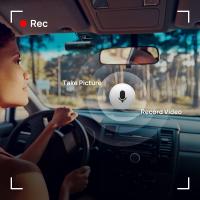
What Is 4k Digital Camera?
If you're wondering what a 4K digital camera is and why it seems to loom large in discussions about photography and videography today, you've come to the right place. Let’s break down the concept, delve into the technology, and explore how to take advantage of it. But first, let’s clear the fog around the term "4K."
What Does "4K" Really Mean?
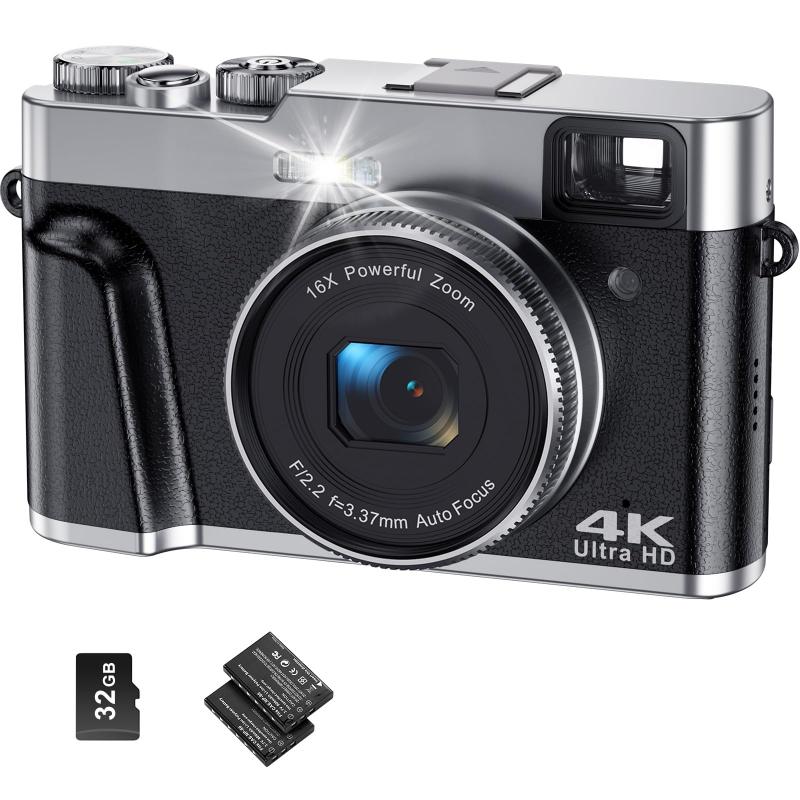
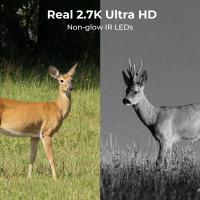
"4K" refers to the resolution of the video or still images captured by a camera. Resolution is essentially the number of pixels that compose the images on a screen. Think of pixels as tiny dots; the more pixels you have, the more detail you get. In the realm of 4K, you're talking about a resolution of 3840 x 2160 pixels, which totals nearly 8.3 million pixels packed into the frame. For comparison, Full HD (1080p) resolution is 1920 x 1080 pixels, or just over 2 million pixels.
In simpler terms, 4K resolution delivers four times the detail of the already sharp Full HD standard. If you've ever seen a picture so crisp it feels like you could step into the scene, chances are it was shot or displayed in 4K. For photographers and videographers, this opens up new creative horizons for capturing intricate details, vibrant textures, and lifelike color reproduction.
4K in Digital Cameras: The Game-Changer
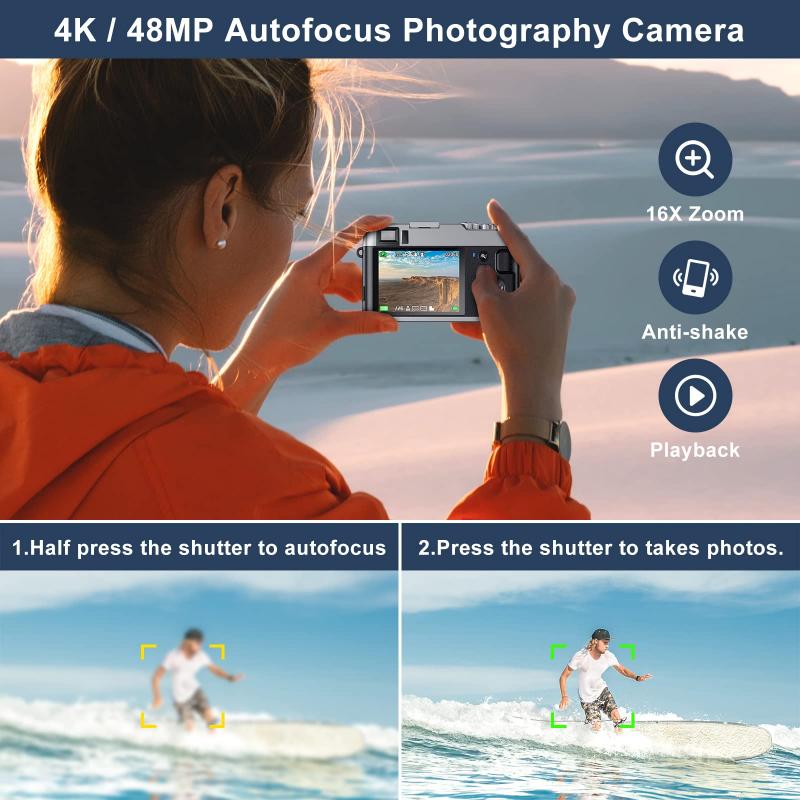
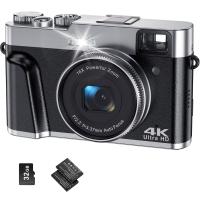
A digital camera equipped with 4K capabilities is built to shoot ultra-high-definition video and often photography as well. But it isn't just about raw resolution — it’s about the whole package of features that come together to enable stunning results.
Here’s how it changes the game:
1. Precision in Post-Production: Shooting in 4K gives you more flexibility in post-production. Want to zoom in on a particular subject or crop the frame? No problem—there's ample resolution to work with without sacrificing image quality. A 1080p frame simply wouldn’t hold up to this level of tampering without losing clarity.
2. Smooth Motion Rendering: Many 4K cameras come with advanced frame rate options. For instance, recording at 60 frames per second in 4K means buttery-smooth motion capture. Whether you’re filming high-speed sports, graceful dance routines, or just trying to avoid the nauseating shake from handheld shooting, the results remain cohesive and professional.
3. Future-Proofing Content: With 4K rapidly becoming the standard both in professional production environments and consumer devices, shooting in 4K ensures that your content remains relevant for years to come. Imagine looking back at your projects 10 years down the line; wouldn’t you want them to still meet the prevailing quality expectations?
4. Versatility for All Mediums: 4K cameras can be used to create media for everything from online platforms like YouTube to high-budget television productions. Even casual hobbyists appreciate how 4K elevates their travel vlogs, family videos, or wildlife portraits to near-professional levels.
Key Features of 4K Cameras

While 4K resolution is a centerpiece, it’s not where the story ends. Today’s 4K cameras come with an array of modern features that enhance usability and performance. This creates a well-rounded device that serves a variety of creative intents.
Sensor Size: A larger sensor captures more light, producing sharp, high-quality images even in dim lighting conditions. Pairing this with 4K resolution leads to photos and videos that gleam with detail, even in challenging environments.
Autofocus Technology: State-of-the-art autofocus systems ensure that your subjects stay sharp and well-framed, whether they’re standing still or darting across the scene. If you're capturing fast-moving subjects like a child running across a park or an eagle swooping down, the autofocus system ensures that your shot doesn’t devolve into a disappointing blur.
Dynamic Range: Ever seen a photo where the sky looks washed out or the shadows are too dark? That’s poor dynamic range in action. Higher dynamic range allows for a better balance between light and dark areas, rendering scenes in a much more natural and aesthetic manner.
Connectivity: Modern 4K cameras come packed with Wi-Fi, Bluetooth, and USB connectivity features to make sharing content a breeze. Whether you’re transferring data to your computer, uploading it to social media, or live-streaming an event, these connectivity options add major convenience.
How to Choose a 4K Camera?

With many 4K cameras on the market catering to different needs, your selection depends largely on how you plan to use the device. Here are some useful considerations to guide your choice:
1. Purpose Matters: Are you planning to shoot cinematic video projects, create video blogs, capture family moments, or delve into professional photography? Different cameras specialize in different areas. Professionals might lean toward DSLRs or mirrorless systems, while beginners might prefer compact options or even smartphones with 4K capabilities.
2. Budget: 4K cameras range from “affordable upgrade” to “mortgage-sized investment.” Mirrorless camera systems or high-end DSLRs equipped with 4K often lie on the pricier side. Entry-level models or high-quality smartphones like modern iPhones or Android equivalents offer 4K capability on a smaller budget.
3. Lens Options: Pay attention to the compatibility with interchangeable lenses for additional versatility. If you're into wildlife photography, for example, a camera that supports telephoto lenses is essential.
4. Size and Weight: Size matters, particularly if you’re a globetrotter or plan to lug the gear on adventurous hikes. Compact, lightweight models make travel-friendly companions, while larger setups deliver unparalleled versatility at the cost of bulk.
5. Durability: For extreme conditions — think snow, rain, or desert heat — a rugged, weather-sealed camera can be worth its weight in gold.
Forget the Numbers — Let’s Talk Magic!
It's easy to get lost in all the technical specs of a 4K camera, but let’s not lose sight of why we use cameras in the first place. Cameras are storytelling devices. Whether it's chronicling a quiet walk through an autumn forest, capturing laughter at a family reunion, or documenting history in-the-making, the essence of a camera lies in its ability to preserve moments that matter.
With 4K at your disposal, you’re not merely snapping a picture or recording a video — you’re crafting vivid, cinematic experiences. Each frame becomes an opportunity to awe your audience, invite them into your world, or leave them gasping at the clarity of a fleeting moment frozen in time.
Is 4K Overkill for Some Users?
For some applications, perhaps 4K is overkill. If your content is primarily shared on social media platforms that compress video quality or if your monitor doesn’t support 4K playback, the benefits might not be immediately apparent. However, consider this: buying a 4K camera isn’t just about today. It’s an investment in tomorrow’s storytelling landscape. So, even if platforms limit quality now, changes in technology could reveal the full potential of your 4K creations down the line.
The Bottom Line
A 4K digital camera offers an indispensable upgrade for anyone passionate about capturing life in its sharpest, most vibrant form. Whether you’re a seasoned professional or a hobbyist, the technology has something to offer everyone. The real magic lies not just in the high resolution but in how seamlessly modern 4K systems blend into our lives — their versatility, convenience, and creative power make them tools of the future.
So, whether you’re pondering your next purchase or just geeking out about what’s possible, remember: the best camera isn’t just about its resolution. It’s about how you use it to tell better stories. With 4K, the storytelling canvas has never been more immense. Time to step up, frame the magic, and let your imagination soar.

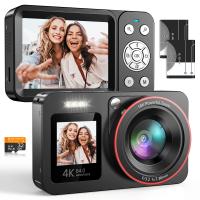
![4K Digital Camera for Photography & Video [Autofocus and Stabilisation] 48MP 16X Digital Zoom 3” 180° Flip Screen Vlog Camera with 32G SD Card, Flash Kentfaith](https://img.kentfaith.de/cache/catalog/products/de/GW41.0065/GW41.0065-1-200x200.jpg "4K Digital Camera for Photography & Video [Autofocus and Stabilisation] 48MP 16X Digital Zoom 3” 180° Flip Screen Vlog Camera with 32G SD Card, Flash Kentfaith")