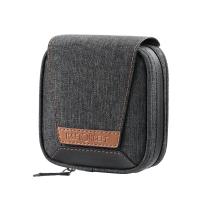
How To Design A Camera Bag?
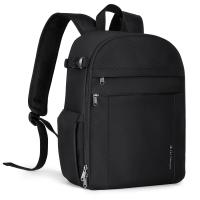
Designing the perfect camera bag is no trivial mission. It’s not just a container for your gear—it’s an essential companion for photographers, whether trekking through remote wilderness or navigating the concrete maze of urban jungles. Beyond being functional, your bag needs to strike the right balance between style, durability, and convenience. Let’s dissect the process step-by-step so you can create a camera bag that doesn’t just meet your needs but exceeds them.
To start, we must understand the anatomy of a camera bag. At its core, it’s all about compartments, materials, and ergonomics. Sounds simple, right? Well, it gets interesting once you realize there are hundreds of different cameras, lenses, and accessories out there, each with its own specific spatial requirements and fragility concerns. You’re essentially designing a portable fortress that houses expensive and potentially delicate treasures.
1. Define Your Purpose (The Soul of the Bag)
What kind of photography do you practice? Are you a landscape photographer trudging through muddy paths and unpredictable rain for the perfect sunset shot? Or do you shoot street photography, darting between city corners with a nimble mirrorless camera? Maybe you’re a wildlife enthusiast, tracking elusive prey with a telephoto lens.
The purpose dictates everything—size, materials, and even portability. A travel photographer, for example, needs lightweight versatility, while a studio professional might be more concerned with storage and organization for lugging their kit from A to B. Don’t design something generic; specialize it. If the bag aligns with your creative persona, it will naturally be more functional.
2. Material Selection (Don’t Let Rain or Unruly Terrain Defeat You)
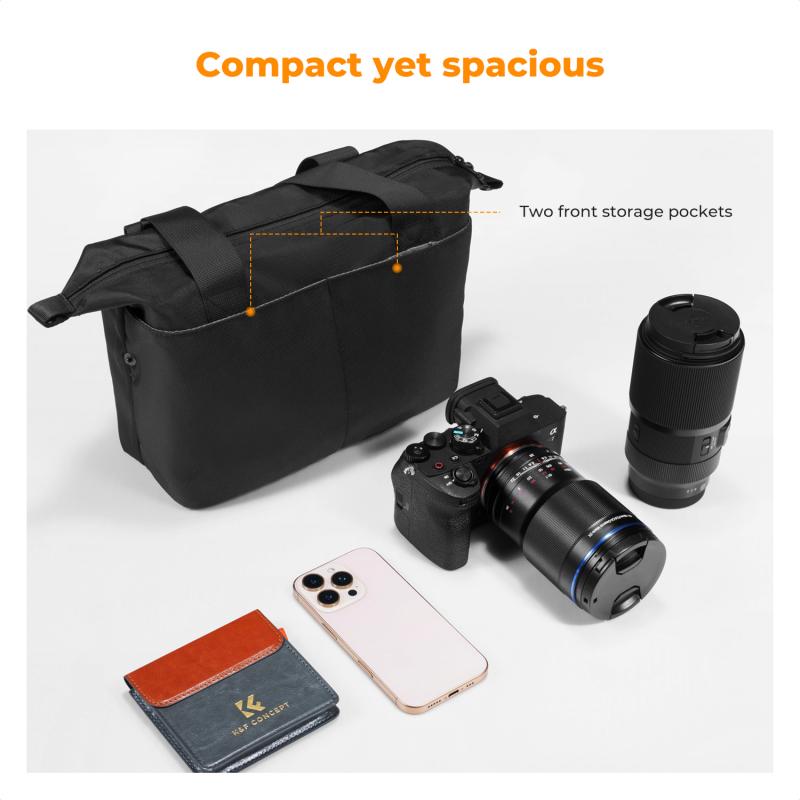
Material choices can make or break the longevity of your bag. Go for tough yet lightweight fabrics like Cordura or ballistic nylon for the outer shell—they’re waterproof, impact-resistant, and generally rugged. You need a bag that holds up to accidental set-downs on wet ground, surprise rainstorms, or dust clouds in the Sahara.
Padding is the next consideration. Choose a high-density foam to line the compartments—this absorbs shocks and provides a snug housing for your gear. The key is balance: opt for padding thick enough for protection but thin enough not to bulk up your bag unnecessarily.
Your zippers must also resist the force of nature because few things are as soul-crushing as realizing your gear is soaked due to a failed zipper. Opt for YKK watertight zippers or anything similarly robust. And for straps, ensure they're stitched with reinforced threading—your shoulders deserve the kind of support that doesn’t quit halfway through a long hike.
3. Organization: A Place for Everything
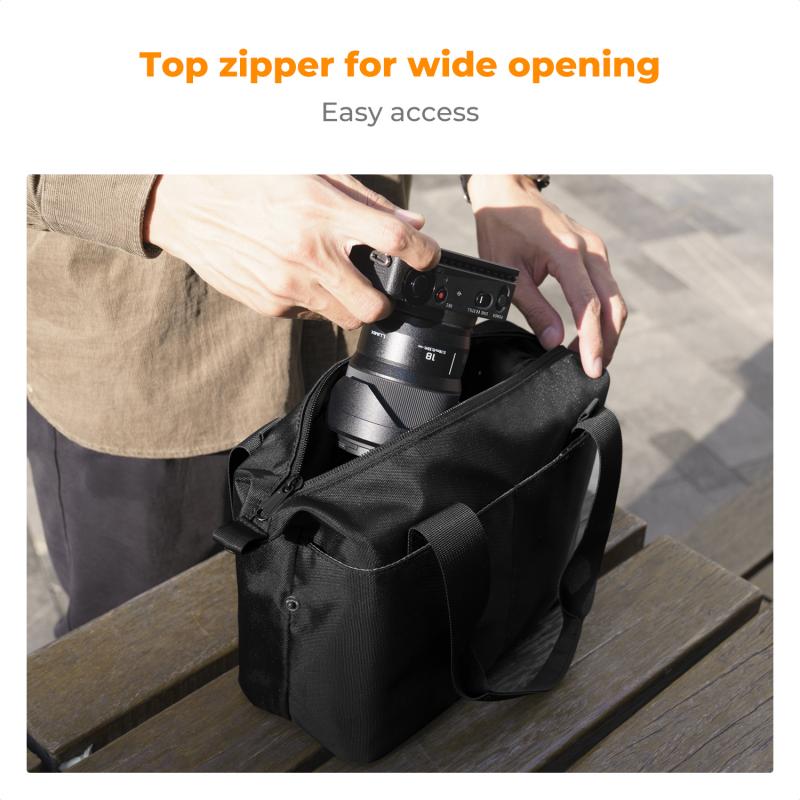
Camera bags aren’t characterized by shiny finishes or flashy patterns; they’re defined by their compartments. While designing yours, tailor it not just to house your gear but to anticipate your workflow.
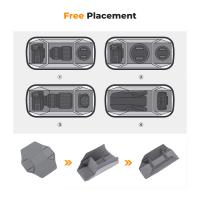
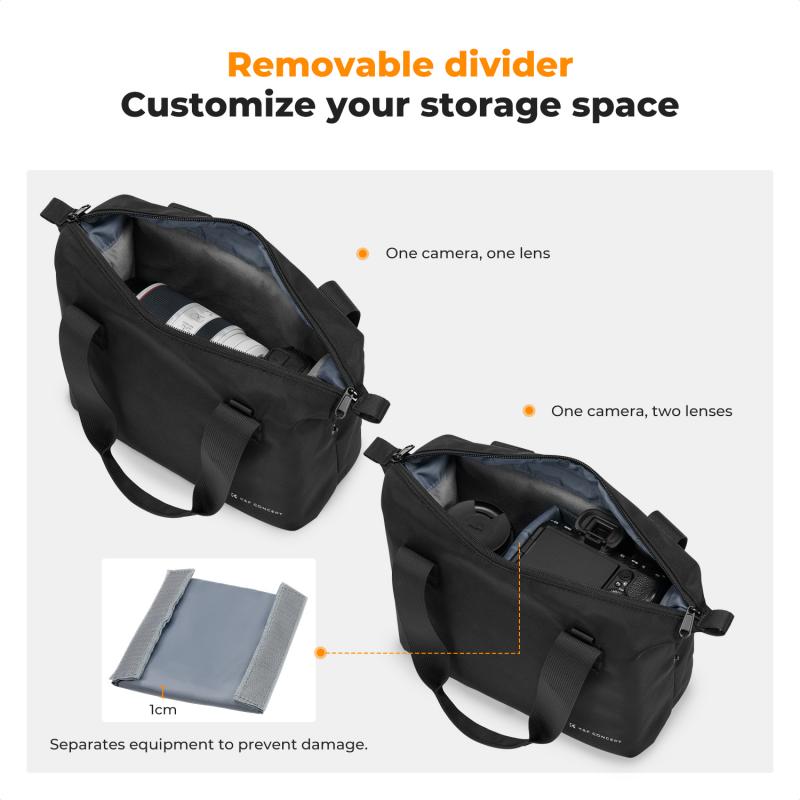
Start with the basics: a padded compartment for your camera body. Then add slots for lenses of varying sizes—maybe a section for your trusty 85mm prime lens and another for the bulkier telephoto. Speaking of lenses, make sure dividers in the bag are adjustable, ideally using Velcro. This ensures flexibility as your gear collection expands or changes over time.
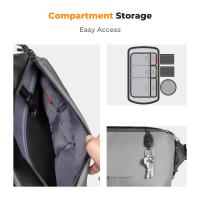
Don't forget the peripheral tools. Dedicated pockets for memory cards, batteries, lens filters, and cleaning kits can make your life significantly easier. And while we’re talking about organization, throw in a laptop or tablet sleeve—you’ll want an easy way to review those breathtaking shots on the go.
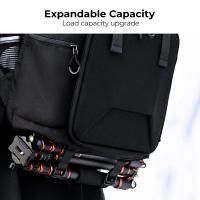
External attachments are your friends too. Consider straps or loops to hold a tripod, water bottle, or even a weather cover. Nothing should feel like an afterthought; integrate these features seamlessly into the design.
4. Comfort that Lasts All Day (Your Back Will Thank You)
Ergonomics are criminally underappreciated when it comes to camera bags. The most stunning scenery on earth doesn’t matter if you’re too sore to reach it. Your bag should feel like an extension of your body.
Start by designing well-padded shoulder straps—ideally adjustable so the bag can fit snugly against all body types. Add a breathable mesh backing to the bag so it won’t become a sweat trap on hot days. If your gear includes heavy equipment, consider waist belts to redistribute weight from your shoulders.
A useful tip: incorporate a sternum strap that connects across your chest. This stabilizes the load when you’re on the move, something that’s especially handy when scrambling for the perfect angle mid-hike or shooting from precarious positions.
5. Security: Protecting Your Investment
Let’s face it—your camera bag is a walking treasure chest. Any design worth its salt must account for security. Ensure compartments have secure closures, be it zippers, buckles, or magnetic clasps.
For an added layer of protection, explore anti-theft features. RFID-blocking compartments for your credit cards and passports wouldn’t hurt. Some higher-end bags even incorporate locking zippers and hidden pockets. If you’re the paranoid type (or just value your gear highly), consider weaving steel wires into the bag’s straps to deter cutting attempts.
6. Aesthetic Appeal (Yes, This Matters)
While functionality reigns supreme, aesthetic considerations shouldn’t be entirely forgotten. After all, you’re a visual artist—your bag is an extension of your style.
Pick neutral yet classy colors like black, olive green, or slate gray—these don’t clash with your clothing in all seasons. If you’re feeling bold, maybe dabble in burnt orange or cobalt blue. Avoid overly flashy designs; the goal is to seem like a responsible gear carrier, not a walking photoshoot waiting to happen.
7. Build in Modular Capability
The camera world evolves, and so should your bag. Build your bag with the future in mind. Incorporate hooks and straps for external accessories that you might not yet own but could purchase later. Customizability is like future-proofing your bag design.
8. Testing it in the Real World
Before declaring victory, prototype your design and test it. Load it to capacity with everything you plan to carry. How does it feel? Can your gear be accessed quickly? What happens if you drop it? Simulate scenarios that match your workflow, from quick lens swaps during a shoot to sprinting across an airport to catch a flight.
Creating your dream camera bag forces you to think critically about every material and feature. It’s not just about holding gear; it’s about facilitating creativity. Done well, your bag isn’t just storage—it’s a facilitator of your art, a guardian of your investments, and, dare I say, a personal collaborator. After all, your journey as a photographer deserves a bag as capable as your vision.