What Games Are On The Retro Handheld Console?
Retro handheld consoles are basically like treasure chests for gamers: tiny devices packed with hundreds, sometimes thousands, of games from the good old days of gaming. They're often preloaded with classic titles from beloved gaming platforms like the NES, SNES, Sega Genesis, Game Boy, and more. Let’s unravel the magic, quirks, and quirks-within-quirks of these nostalgia-filled gadgets – all while contemplating the deliciously pixelated gems that await within.
The Retro Renaissance
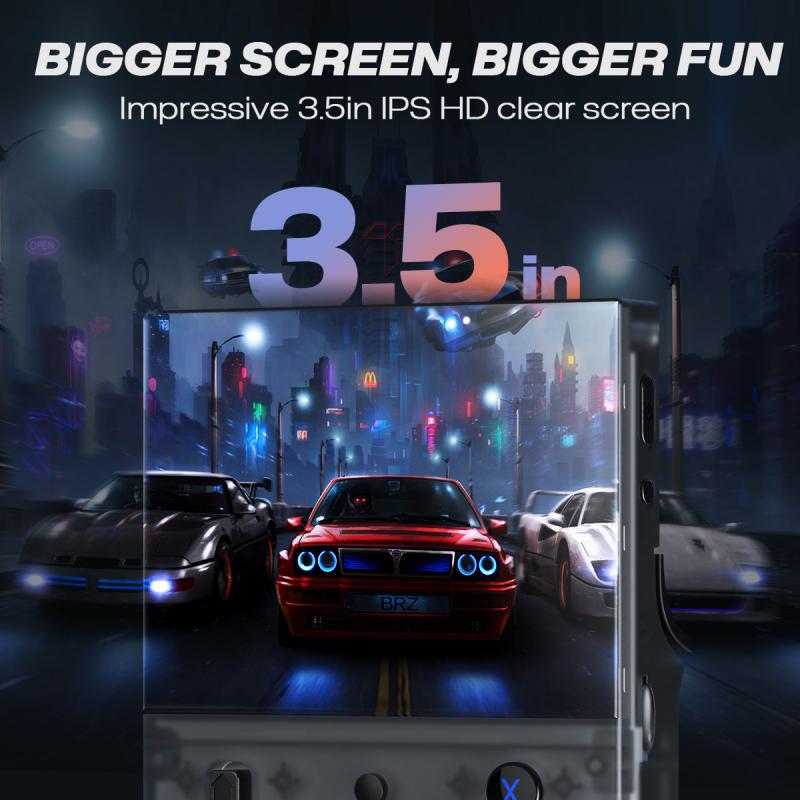
Retro handheld consoles have gained popularity for their ability to package decades' worth of gaming into one portable device. Whether you’re reliving your childhood memories or discovering classics for the first time, these gadgets deliver on the promise of pixel-perfect nostalgia. They typically emulate games from popular vintage systems such as the following:
Nintendo Entertainment System (NES): Remember *Super Mario Bros.*, *The Legend of Zelda*, and *Contra*? Yep, they’re here.
Super Nintendo Entertainment System (SNES): Get ready for classics like *Chrono Trigger*, *Donkey Kong Country*, and *Super Mario World*.
Sega Genesis (Mega Drive): Prepare for *Sonic the Hedgehog*, *Streets of Rage*, and *Golden Axe* – games that defined Sega's heyday.
Game Boy/Game Boy Color/Game Boy Advance: The handheld nostalgia train continues with *Pokemon Red/Blue*, *The Legend of Zelda: Link's Awakening*, and *Castlevania: Aria of Sorrow*.
PlayStation (PS1): Yup, some high-end handhelds can even run PS1 titles, so prepare to revisit *Final Fantasy VII*, *Crash Bandicoot*, *Silent Hill*, and more.
Arcade classics: Relive your quarter-devouring childhood with games like *Pac-Man*, *Street Fighter II*, and *Metal Slug*.
How the Gaming Library Works
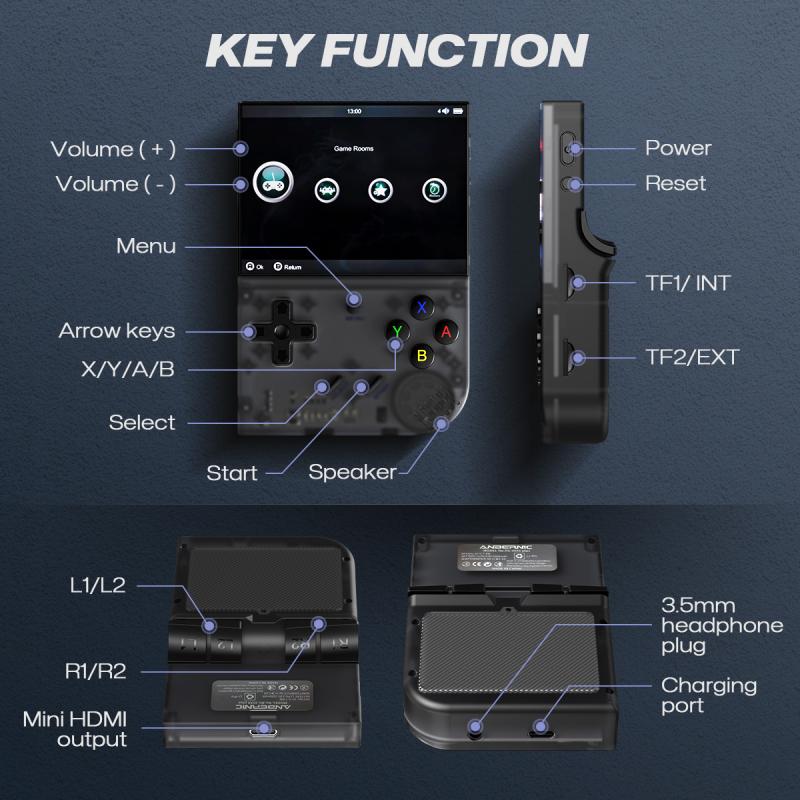
Now, here’s the thing: not all retro handheld consoles are created equal. When you hear the phrase *retro handheld console*, it could mean one of several things:
1. Official release consoles, like the Game Boy Mini or Sega Genesis Mini Handheld.
2. Third-party devices designed to emulate a variety of systems.
3. DIY consoles built using Raspberry Pi boards or similar hardware.
On official devices, the games preloaded are typically curated selections tied to the console’s original brand. So Sega gives you Sega games, Nintendo focuses on Nintendo games, and so on. These games are often chosen not just for their popularity but also to showcase the console's capabilities beautifully.
Third-party consoles, however, open Pandora’s box. They typically use emulation software to support a medley of systems, enabling you to load custom libraries. Did you miss that rare PS1 RPG from 1995? Load it up. While these devices generally come preloaded with games, they also allow gamers to sideload additional ROMs (don’t worry, we’ll talk legality later). But to summarize—these are gaming libraries on steroids.
A Few Star Players in the Market
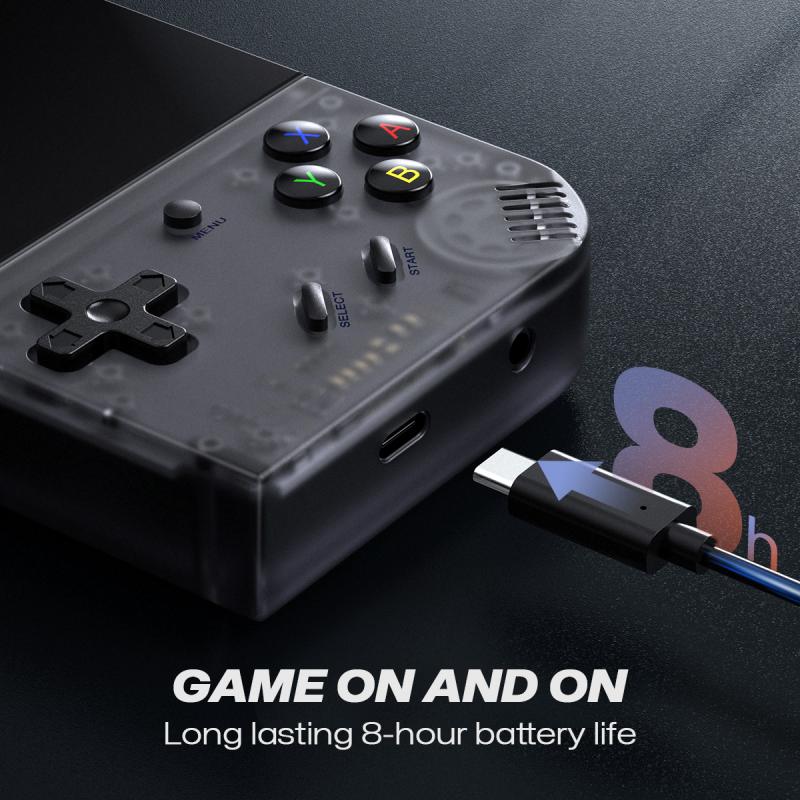
Let’s take a peek at some of the more popular retro handheld consoles for gaming buffs.
1. Anbernic RG35XX
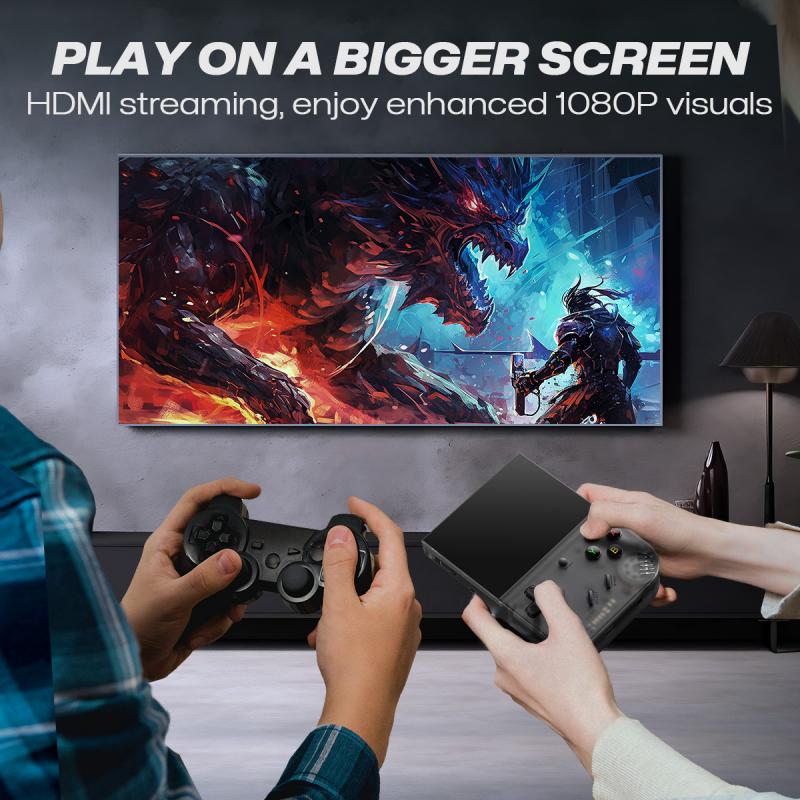
This budget-friendly beast allows gamers to play NES, SNES, Game Boy, Sega Genesis, and even PS1 games. It’s compact, efficient, and doesn’t ask too many questions when you load custom ROMs (but let’s stick to the ones you legally own).
2. Retroid Pocket 3+
Retroid consoles are well-regarded beasts for the retro community. The Pocket 3+ not only emulates everything from NES to Dreamcast but also runs Android apps. Yes, this means you can play *Angry Birds* next to *Super Metroid*. You do you.
3. Powkiddy RGB10 Max 2
Powkiddy’s RGB10 Max 2 sounds like the tag from a sci-fi action film, but it’s actually one of the most versatile retro handheld emulators. From smaller 8-bit systems all the way to heavyweight titles like *Resident Evil 2*, this console punches well above its weight class.
4. Steam Deck
Alright, this one isn’t strictly a retro handheld, but it has the horsepower to emulate basically any platform you throw at it. Plus, its modern hardware means silky-smooth framerates for older games.
What About Game Licensing?
When you’re dealing with retro handheld consoles, the legality of games can quickly become murky. Official branded consoles have preloaded games that were licensed appropriately. On the other hand, third-party emulators depend heavily on ROMs, which are backups of original games. Legally, you’re only allowed to use a ROM if you already own that specific game.
Nonetheless, the retro console market thrives in territories that might not strictly enforce copyright laws for decades-old titles. It’s a gray area for many, so tread lightly.
Why a Retro Console and Not Your Phone?
“But wait,” I hear you cry, “why should I get a retro handheld when I can just emulate games on my smartphone?” Good question, my friend. Here’s the rundown:
Physical Buttons: Nothing beats the tactile feedback of pressing buttons on a real controller. Touchscreen controls? Let them haunt your *Street Fighter* nightmares.
Form Factor: Retro consoles are designed with nostalgia in mind. The designs pay homage to the original Game Boy shape, PSP framework, and other iconic devices.
Battery Life: Short gaming sprints on your phone feel doable, sure. But a retro handheld console squeezes every last minute out of gaming sessions without draining your phone’s precious juice.
Customization: Many retro handhelds allow you to tweak emulation settings for higher compatibility or improved resolution. Phones? Well, good luck fiddling with settings inside apps that crash mid-game.
Setting Up Your Retro Adventure
If you’re embracing the lovely world of retro handheld consoles, here are a few pro-tips:
1. Update firmware: Many handheld consoles receive community-driven firmware updates that enhance compatibility and performance—consider them magic dust for your device.
2. Organize ROMs: If loading additional games, ensure they’re appropriately sorted. Nobody wants a cluttered directory when scrolling for *Kirby*.
3. Use a microSD: Expand your storage; it makes loading libraries easier while accommodating expansion.
4. Experiment with shaders and filters: Want that CRT monitor feel? Most emulators allow you to apply shaders for an authentic retro aura.
Closing Thoughts
The allure of retro handheld consoles is undeniable—they represent a doorway into gaming’s golden age while staying true to our era’s technological advances. Their curated gaming libraries house beloved classics, their interfaces are straightforward, and their portability makes gaming-on-the-go a nostalgic breeze. Sure, loading up ROMs might occasionally feel like deciphering arcane runes, but the payoff is undeniably worth it when you boot up *Earthbound* or tackle classic *Mega Man* levels during your lunch break.
Now go forth, gamer, and bask in the glorious pixels of yesteryear.