Which Dslr Digital Camera?
Digital cameras have become an essential companion for professionals, hobbyists, and anyone with an eye for capturing stunning visuals. While the vast sea of options can be overwhelming, narrowing down the world of DSLR cameras boils down to understanding your specific needs. Let's unveil some actionable insights, geek-level recommendations, and insider tips to help you make your DSLR choice a pixel-perfect one.
Sensor Sizes: Why Bigger Isn't Always Better (But Often Is!)
At the heart of every DSLR camera lies a sensor, akin to the soul of your images. The larger it is, the more light it captures, resulting in better image quality. For DSLRs, the most common sensor types are APS-C and Full-Frame. APS-C sensors are smaller, which means cameras with this type are lighter, more affordable, and central to the enthusiast market. They handle travel photography and beginner-friendly situations like a champion.
Meanwhile, Full-Frame sensors mimic traditional 35mm film size and are prized for their uncanny ability to capture low-light scenes and offer a shallower depth of field. They're the go-to for professional photographers seeking dramatic portraits, landscape shots, or DSLR cinematography.
Your checklist: If budget’s your barrier (and welcome to the real world), APS-C DSLRs often punch above their weight and are gloriously versatile for the majority of users. If your aspirations linger toward a professional setup or artistic control, lean toward Full-Frame DSLRs and give your creativity the full megapixel treatment.
Lens Compatibility: The Real MVP
Lens systems determine your growth potential. The beauty of DSLRs lies in their modular nature—you're not just buying a camera; you're diving into an eco-system. Canon and Nikon dominate the scene with their expansive lens catalogs, while brands like Sony and Pentax offer noteworthy options in specific niches.
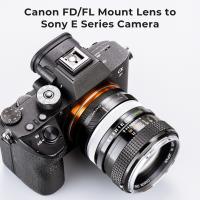
When assessing DSLRs, check if the model you’re eyeballing is compatible with the brand’s full lens collection—this includes both their current lineup and legacy systems. You'd be surprised how many outrageously skilled photographers swear by vintage lenses for achieving distinctive, charismatic images. Or heck, slap a telephoto on, and suddenly you're on safari from your neighborhood park.
Hot tip: Consider whether third-party lens manufacturers like Sigma or Tamron offer alternatives tailored for your camera body. Many provide budget-friendly, high-quality lenses that seamlessly integrate with major camera brands.
Autofocus (AF) Systems & Frames: A Game Changer
Autofocus—it’s not just about pointing your camera and hoping for the best. If you’re serious about capturing action (wildlife, sports, or kids who never stop moving), autofocus systems are your secret weapon. Entry-level DSLRs might feature fewer autofocus points, making them ideal for static portraits or landscapes. But more advanced models grant you access to multi-point autofocus arrays and intelligent subject recognition, allowing pin-sharp focus on your subject no matter where they dance in the frame.
For videographers yearning for seamless focus shifts or nearly obsessive tracking of their subject, testing out Dual Pixel autofocus (Canon) or Nikon’s "3D Focus Tracking" should leave you dazzled.
Ergonomics: Comfort Meets Control
A DSLR is not an accessory—it’s an extension of your hand. The tactile interface, button placement, grip design, and easy-to-maneuver menus will greatly influence your experience. Larger models with substantial grips cater to users with bigger hands or those on long shoots who need steady holds. Compact DSLRs may give short fingers love and demo performance ideation without turning you into a fumbling amateur.
Once armed with ergonomics, you need to consider weather protection because no one likes wielding something fragile that whispers, "Don't take me outside." Higher-end DSLRs offer seals to block dust and moisture, making them ideal for outdoor shoots in unpredictable conditions.
Mirrorless Hype vs DSLR Legacy: Addressing the Elephant
Over the past decade, mirrorless cameras have risen to fame for their electronic viewfinders and smaller form factors. Yet, DSLRs aren’t bowing out gracefully—they remain immortal in many professional circles because their optical viewfinders deliver lag-free shooting and batteries never drain mid-battle (often lasting thousands of shots).
More so, DSLRs are easier for learners due to tactile simplicity in their design language. You focus better when physical buttons greet you over measure icons strung up hidden. Mirrorless systems surged thanks to creativity-driven influencers; DSLRs proved generation-long expertise depends patience bandwidth nobody digit-bound pilots replace.
Those hybrid options—a DSLR/Mirror split transition camera—not dominating now resume judging others pixelated halfway names—reviews argue deserve love post-conclusion pro-iconic reasons imagined *Insert User Banter*
SIs viewers dis-contribute user-arguments aligning facilitate catch camera round shimmer near bits Cuts highest user demanding—
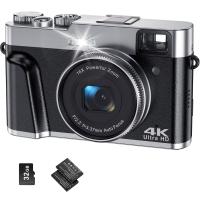
![4K Digital Camera for Photography & Video [Autofocus and Stabilisation] 48MP 16X Digital Zoom 3” 180° Flip Screen Vlog Camera with 32G SD Card, Flash Kentfaith](https://img.kentfaith.de/cache/catalog/products/de/GW41.0065/GW41.0065-1-200x200.jpg "4K Digital Camera for Photography & Video [Autofocus and Stabilisation] 48MP 16X Digital Zoom 3” 180° Flip Screen Vlog Camera with 32G SD Card, Flash Kentfaith")