What Is A Digital Dslr Camera?
When it comes to the world of photography, the term "DSLR" (Digital Single-Lens Reflex) carries an aura of excitement and professionalism. A digital DSLR camera represents the evolution of traditional SLR cameras, adapting their optical precision to the age of digital imaging. To understand the magic behind these everyday marvels, let’s dive deep into what a DSLR camera is, how it works, and why shutterbugs across the globe adore it.
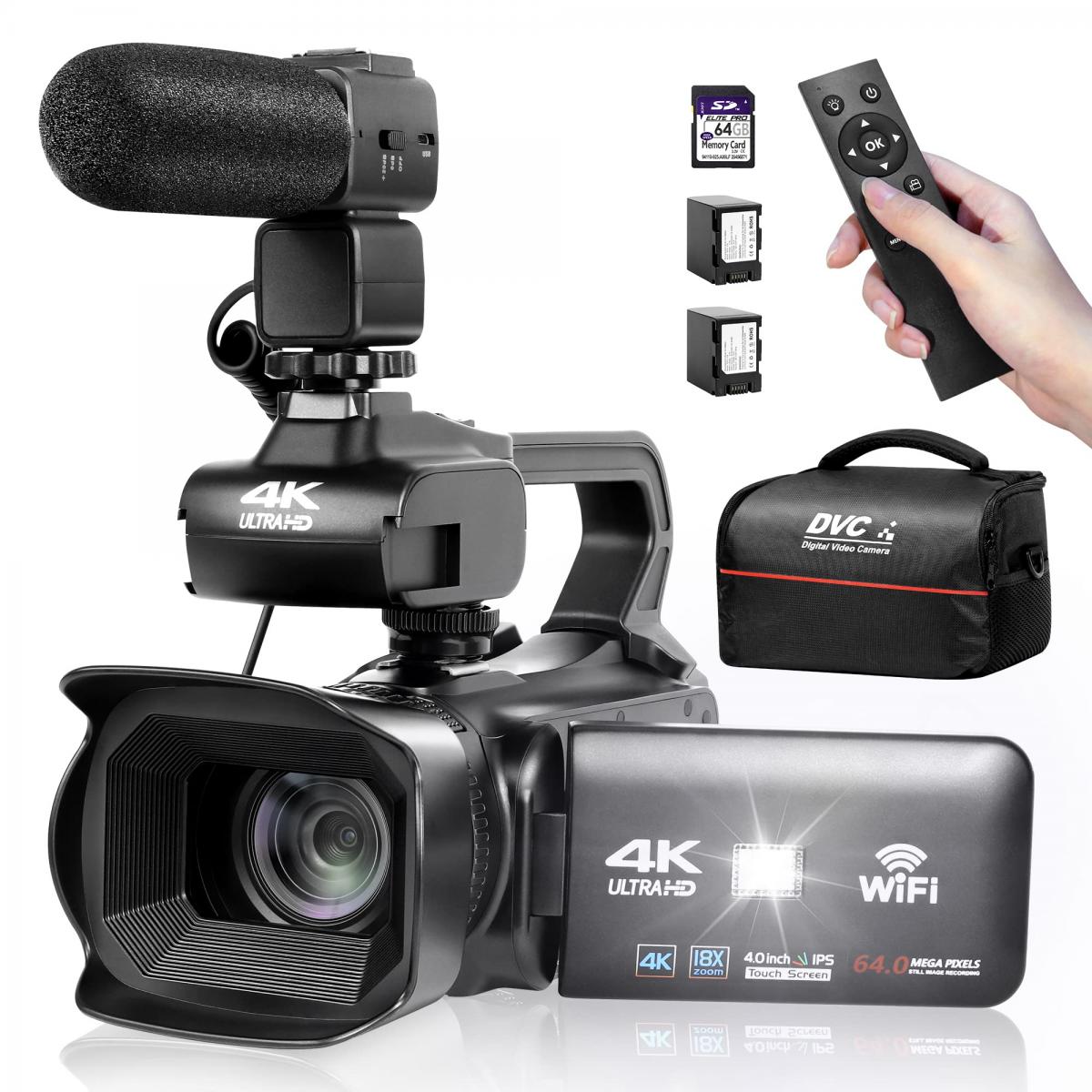
Imagine peeking into a polished mirror. A DSLR, in essence, uses a mirror system to revolutionize the way you preview and capture photos. In simpler terms, the “R” in DSLR stands for "Reflex," referring to the reflection-based mechanisms inside the camera housing. When you peer through the viewfinder—yes, that tiny eyepiece—you’re actually looking through an intricate mirror that redirects light from the lens to your eye. For those moments before you press the shutter, you're seeing precisely what your camera sees.
But let’s break this assembly line of optical engineering into digestible chunks.
Anatomy of a DSLR
1. Mirror Box:
The heart of the DSLR is its flip mirror. Light entering through the lens strikes this mirror; the mirror then flips its direction, bouncing light up towards the pentaprism or pentamirror. The pentaprism converts this light into the image you see through the viewfinder. When you take a photo, the mirror swiftly pivots out of the way, allowing light to hit the image sensor directly.
2. Image Sensor:
This is the part where the magic of digital imagery happens. A DSLR uses either a CCD (Charge-Coupled Device) or CMOS (Complementary Metal-Oxide Semiconductor) sensor to capture and digitize scenes. Sensors come in various sizes, but full-frame sensors (equal to the dimensions of 35mm film) are considered the holy grail among photographers who demand sharper resolution, accurate colors, and excellent low-light performance.
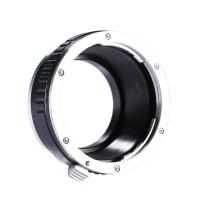
3. Interchangeable Lens System:
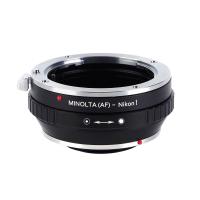
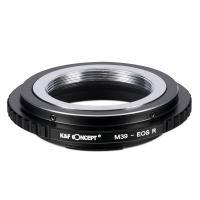
The beauty of a DSLR camera lies in its customizable optics. You can switch lenses based on your photographic needs. Want a wider frame? Attach a 16mm wide-angle lens. Craving jaw-dropping zoom? Mount a 200mm telephoto. The lenses you choose can make or break your shots, but the DSLR is your flexible all-terrain vehicle on the photography landscape.
4. Shutter Mechanism:
Unlike smartphones, DSLRs use a physical shutter curtain to control the exposure time. When you press the shutter button, this curtain opens and closes at lightning speed, allowing just the right amount of light to enter.
Why Choose a DSLR?
With so many camera options available, why pick a DSLR over smaller alternatives like point-and-shoot cameras or mirrorless cameras? It boils down to three distinct strengths:
1. Unparalleled Image Quality:
DSLR cameras are synonymous with professional-grade results. Their larger image sensors enable greater light absorption, higher resolution, and richer dynamic range. Whether you’re shooting at midday under relentless sunlight or capturing the stars at midnight, a DSLR delivers detail that will make your jaw drop.
2. Manual Controls for Precision:
Unlike a smartphone that automates everything, a DSLR hands the reins over to you. Thanks to customizable settings like shutter speed, ISO, aperture, and white balance, you can micromanage every aspect of your photograph. Want a silky waterfall effect? Slow your shutter speed. Need to freeze motion mid-action? Crank it up—and DSLRs accommodate your creativity.
3. Durability and Battery Life:
DSLRs are built to withstand prolonged use, harsh conditions, and the occasional accidental bump. Furthermore, their large housings accommodate larger batteries, allowing photographers to shoot for hours without worrying about low-power warnings.
The Digital Revolution: DSLRs vs. Mirrorless Cameras
One burning question that frequently arises in the photography sphere: Are DSLRs becoming obsolete due to rising mirrorless camera tech? Well, let me clarify this in the simplest terms—there’s no need to panic.
Mirrorless cameras ditch the reflex mirror; they channel light directly to the image sensor, using electronic viewfinders (EVFs) or the LCD screen for previews. While they are lightweight and compact, DSLRs still reign supreme in terms of durability, optical viewfinder experience, and lens variety.
However, competition in the camera market has led to breathtaking advances in both formats, giving users more choices. The question isn’t whether DSLRs are better than mirrorless—it’s about which type suits your needs and shooting style.
Common Questions for Prospects
Despite their advantages, buying a DSLR can be overwhelming for newcomers. Here are some beginner doubts, busted:
Q: Do I need to learn professional techniques to use a DSLR?
Not at all! Most DSLRs come with beginner-friendly modes like "Auto" and scene presets that make the camera as simple as point-and-shoot models. The manual modes are available when you’re ready to explore.
Q: Can I shoot video with a DSLR?
Absolutely! Modern DSLRs thrive in filmmaking. They can record video at 4K resolution, offering cinematic quality.
Q: What’s the deal with crop-sensor DSLRs?
DSLR sensors come in full-frame and cropped varieties (APS-C). A crop sensor magnifies your view, which is excellent for wildlife or sports photography since it extends effective zoom. However, full-frame gives richer, more dramatic captures with less noise in low-light conditions.
The Quirks of DSLR Photography
No camera model is perfect. While we’ve waxed lyrical about DSLRs, let’s spotlight lesser-discussed challenges:
1. Size and Weight: Carrying a DSLR feels like hauling a mini-brick. Society gives you style points for the bulk, but your wrists will beg for mercy after hours of shooting.
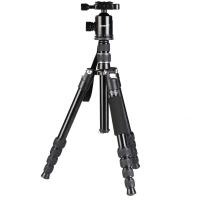
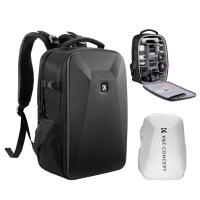
2. Price Tag of Accessories: A DSLR setup requires investments beyond the camera body. Quality lenses, tripods, cleaning kits, and memory cards add up fast.
3. Steep Learning Curve: While DSLRs can work for beginners, mastering manual modes still requires patience and hours of practice.
So, what is a digital DSLR camera? It’s more than just technology; it’s a gateway to creative expression. Whether you’re capturing landscapes, portraits, or candid street scenes, a DSLR unlocks possibilities that are unmatched by any other device. Sure, its components may sound geeky (hello, pentaprisms and CMOS sensors), but their combined symphony offers an artistic outcome worthy of admiration.
If you're a budding photographer wondering whether to take the leap into DSLR ownership, the answer lies in one question: Are you ready to ditch mediocrity and embrace the zen of practiced precision? Because once you start framing shots with a DSLR, the world, and how you see it, might just change for good. So, go ahead—let those shutter sounds be the soundtrack to your visual adventures!