Can Canon Flash Work On Nikon Camera?
When it comes to mixing and matching photographic equipment across different brands, things can get a little, well, “creative.” If you've got a Canon flash lying around and you’re wielding a Nikon camera body, you’re probably wondering if you can pair these two up for some harmonious light painting. The answer: kind of, but not without some fine print.
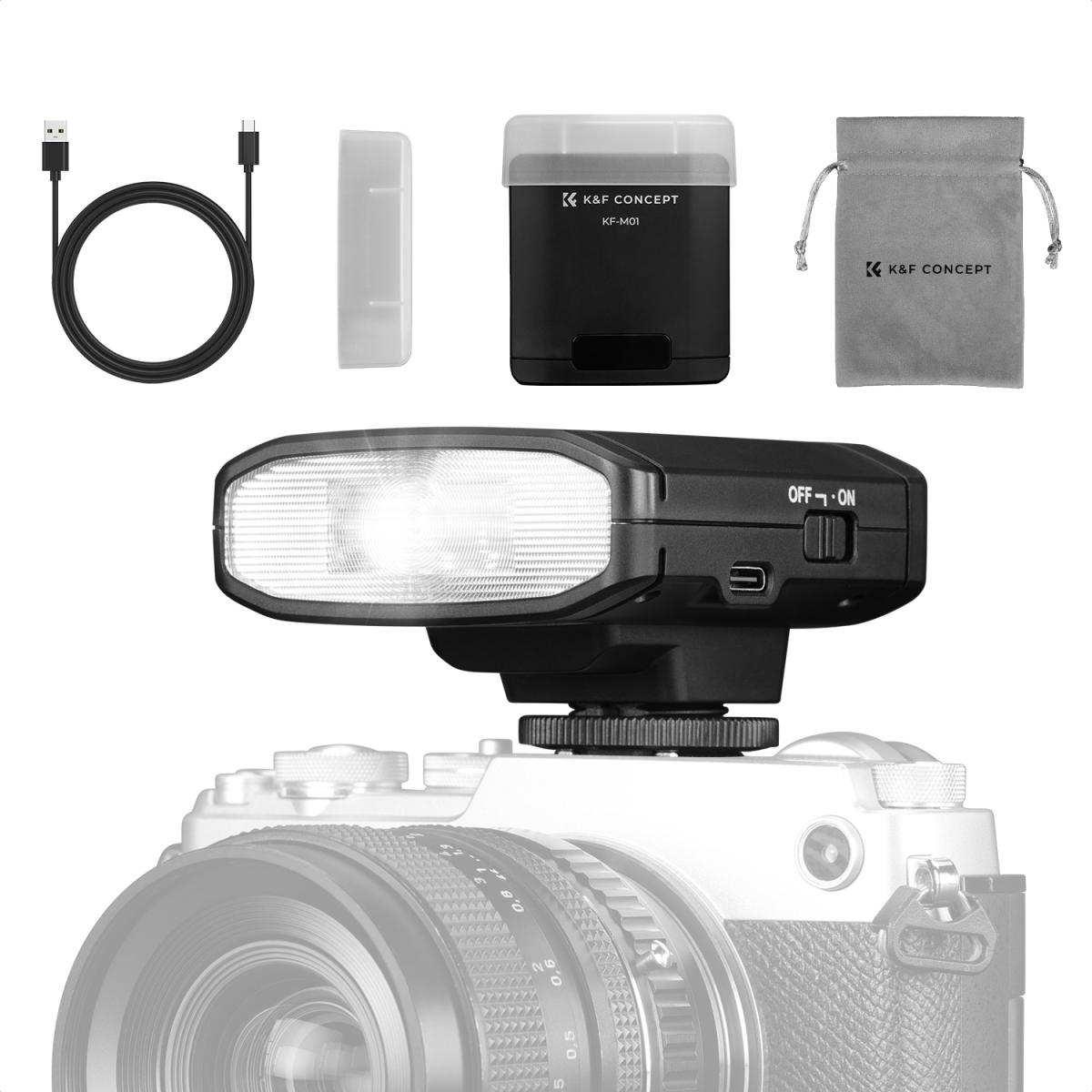
Let’s dive into the nitty-gritty of how (and why) this blend of brands can function — or fail — to work together. While the idea of cross-brand compatibility sounds like it should be simple, the technical underbelly is… a different story. Let’s break this down from a practical, geeky, and perhaps slightly rebellious perspective.
Understanding the Basics: Why Isn’t This Plug-and-Play?
While Nikon and Canon are both juggernauts in the camera industry, their technological ecosystems are designed to favor brand loyalty. Each company has its proprietary communication system between cameras and flashes: Nikon's iTTL (intelligent Through The Lens metering) versus Canon’s E-TTL (Evaluative Through The Lens metering). These systems are not just different in name; they’re electrically and protocol-wise different beasts.
When you mount a Canon flash on a Nikon camera, the communication pins on the hot shoe are mismatched. This means the two devices won’t speak the same language when it comes to advanced settings, such as automatic exposure control or high-speed sync. However, hope is not entirely lost; there are certain scenarios where basic functionality is possible.
Use Case: Can You Trigger the Flash?
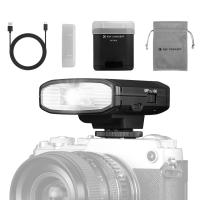
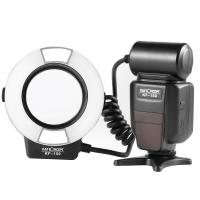
The good news is, most modern speedlights — even if mismatched by brand — follow the same universal standard for firing. If all you’re looking for is to trigger the Canon flash when you press the shutter on your Nikon camera, it’s likely to work.
Why? Because the center pin on the hot shoe (used for sending the "firing" signal) and the metal contacts lining up with it are somewhat standardized across many camera systems. When you push your Nikon’s shutter button, that center pin will ignite the flash — old-school style. You won’t get any bells and whistles or TTL features, but basic manual flash firing is in your corner.
The Limitations of Mixing Canon Flash with Nikon Bodies
Now let’s step into the zone where things get interesting — and restrictive.
1. No TTL Metering
TTL metering is like the autopilot of flash photography. Your camera evaluates the scene, measures the ambient light, and tells the flash exactly how much output is needed. However, Canon E-TTL and Nikon iTTL operate via completely different protocols. When you pair a Canon flash with a Nikon body, TTL metering flies out the window. You’re stuck in manual mode, which means you’ll need to adjust the flash power and zoom settings yourself. For some photographers, this is no big deal — manual control is a way of life. For others, adjusting on-the-fly during fast-paced shoots might feel like trying to solve a Rubik’s Cube while riding a unicycle.
2. Compatibility with High-Speed Sync (HSS)
Let me stop your dreams of freezing motion at 1/8,000th of a second right here — it’s not happening. High-Speed Sync relies heavily on brand-specific communication between camera and flash. A Canon flash mounted on a Nikon camera will lose access to HSS capabilities, regardless of how advanced the flash model is. If you need HSS, say goodbye to cross-brand experimentation.
3. Lack of Advanced Features
Features like rear-curtain sync, stroboscopic flash, or even automatic zoom (where the flashhead adjusts based on your lens’ focal length) are downright non-functional. Again, this is due to the lack of communication between your Canon flash and Nikon body.
4. Risk of Electrical Mismatch
Technically, shoving a Canon flash into a Nikon hot shoe shouldn’t cause *physical* damage. Both brands typically follow industry standards for voltage limits. However, because these components aren’t “meant” to work together, there's always a tiny risk something could misfire (or never fire at all). Worst case scenario: your flash could refuse to fire, or in rare situations, some electrical quirks could arise.
How to MacGyver Your Setup
If you’re determined to bridge the camera-flash divide, there are hacks to make these misfit devices play nice (or at least get along long enough for you to capture a shot).
1. Go Full Manual
Let’s call this option the “embrace simplicity” approach. Put your Nikon camera into manual mode and set your flash’s output power manually. You’ll need to experiment with your distance from the subject, ISO, and aperture to find the right balance of light. Tools like a light meter can make this process less painful, especially if you’re old-school enough to own one!
2. Use Wireless Triggers
Wireless flash triggers, especially universal ones, can bypass the Nikon-to-Canon hot shoe compatibility issue entirely. Brands like Godox and Yongnuo manufacture triggers that sit between the camera and flash, acting as a translator of sorts. Look for systems that don’t require brand-specific coding, and you can even trigger multiple flashes wirelessly. This trick is particularly useful for off-camera flash setups.
3. External PC Sync Port
Some camera bodies (especially older or professional-grade models) feature a PC sync port for triggering external flashes via a cable. If both your Nikon camera and Canon flash include PC sync ports, a cable can connect the two. This will deliver basic flash-triggering functionality without relying on the hot shoe pins.
Third-Party Alternatives for Flash Compatibility
If the headache of trying to manually adjust your Canon-Nikon Frankenstein setup has you reconsidering your choices, third-party brands like Godox, Yongnuo, and even Profoto offer a straightforward solution. These brands make versatile, cross-compatible units that work seamlessly with both Nikon and Canon systems (and sometimes even Sony and Fuji). Bonus: they’re often more cost-effective than first-party flashes.
But… Should You Even Bother?
The real question is: why bother forcing compatibility when there are so many better options out there? Yes, it’s entirely possible to trigger a Canon flash with a Nikon camera if you're willing to deal with the limitations. But if photography is your bread and butter (or even your peanut butter and jelly), investing in a flash that sings in harmony with your system is going to save you time, headaches, and a few mid-shoot existential crises.
However, if you’re in love with the DIY ethos or simply broke but determined, rest assured knowing that photographers have been manually adjusting flashes since the dawn of the art form. You’re in good company. Just make sure your subject doesn’t blink.
So, can you use a Canon flash on a Nikon camera? Yes — but only if you’re okay with losing all the fancy features and rolling up your sleeves for some manual tweaking. It's like asking if you can use a screwdriver to eat soup: it’s technically possible, but there’s probably a better tool for the job.