What Power Binoculars For Long Distance Viewing?
Binoculars are arguably a gateway to a more magnificent world far beyond the capabilities of the naked eye. Whether you’re a stargazer envisioning the Milky Way, a birder tracing the migratory patterns of a far-off flock, or a hiker wanting to scout paths across the horizon, finding the right binoculars for long-distance viewing is critical to your enjoyment and success. While it may seem all binoculars look the same, once you dig deeper into the specifications, it quickly becomes evident that there’s a science to matching the right optical tool to your needs.
Let’s break this task down systematically, and by the end, you'll understand not just what "power" binoculars to select, but also how to prioritize other factors that come bundled with that choice.
Magnification: When Bigger Isn’t Always Better

The first attribute most buyers gravitate to when choosing binoculars for long-distance viewing is magnification power. Magnification is the number preceding the "x" in binocular specifications. For example, in a pair labeled "10x42," the "10x" means objects will be magnified ten times their actual size.
While it’s tempting to aim for higher magnifications—such as 16x, 20x, or even 25x—for long-distance viewing, this approach is only part of the story. Higher magnifications certainly allow you to see objects much farther away, but this comes at two significant costs:
1. Field of View Reduction: Higher magnification compresses your field of vision, meaning you see less terrain in a single glance. For example, at 10x magnification, your field of view might be wide enough to spot a flock of birds and their surrounding context. However, at 20x magnification, your line of sight gets narrower, forcing you to scan back and forth to track movements.
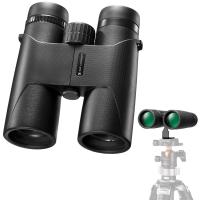
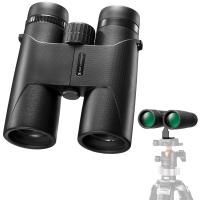
2. Stability Concerns: The higher the magnification, the more you’ll notice how shaky your hands are. Let’s be honest—we all have a little tremor from playing on smartphones for hours! Magnification beyond 12x generally demands the use of a tripod. Without stabilization, it’ll feel like trying to look through binoculars during an earthquake.
For the sweet spot, many experts recommend 8x to 12x magnification for portable high-quality viewing. Anything beyond 16x is usually reserved for fixed setups paired with tripods.
Objective Lens Diameter: Let the Light Flow
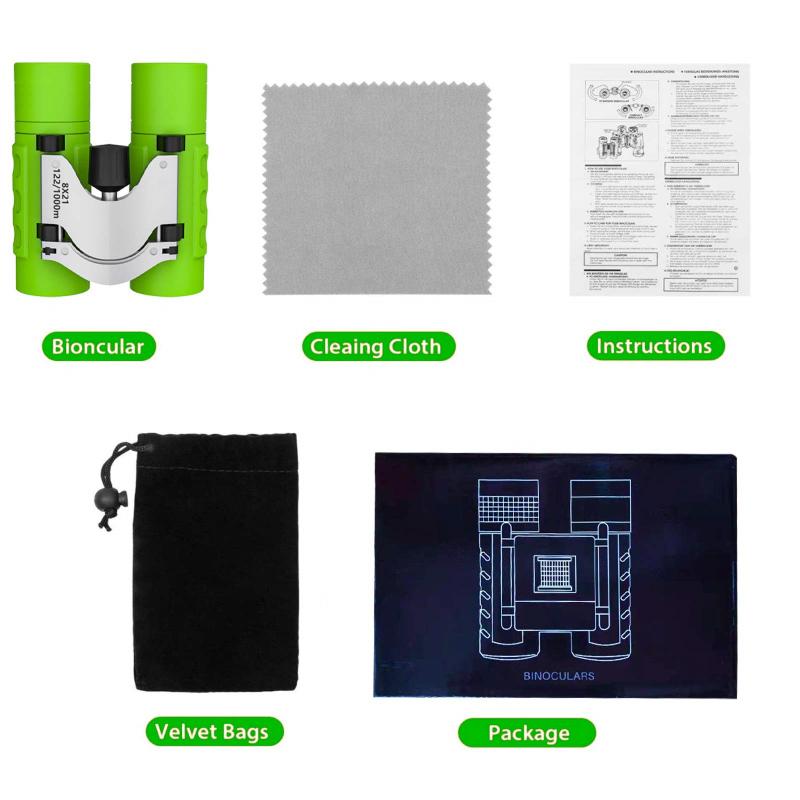
Following magnification, the second number in the specification (e.g., the “42” in “10x42”) refers to the diameter of the objective lens, measured in millimeters. The objective lens is located on the larger end of the binoculars and plays a critical role in gathering light. The bigger the objective lens, the more light it captures—and the brighter and clearer your view will be, especially under dim or challenging conditions like twilight or cloudy skies.
For long-distance viewing, opt for an objective lens that’s at least 40mm (e.g., 10x42 or 12x50). Anything smaller might provide portability but compromises the brightness and detail of your image. Larger lenses, ranging between 50mm and 80mm, are ideal for maximizing vision clarity but add significant weight. So unless you’re cool with carrying heavier gear or setting up a tripod, consider striking a balance between size and portability.
Exit Pupil: Calculating Your Vision’s Comfort Zone
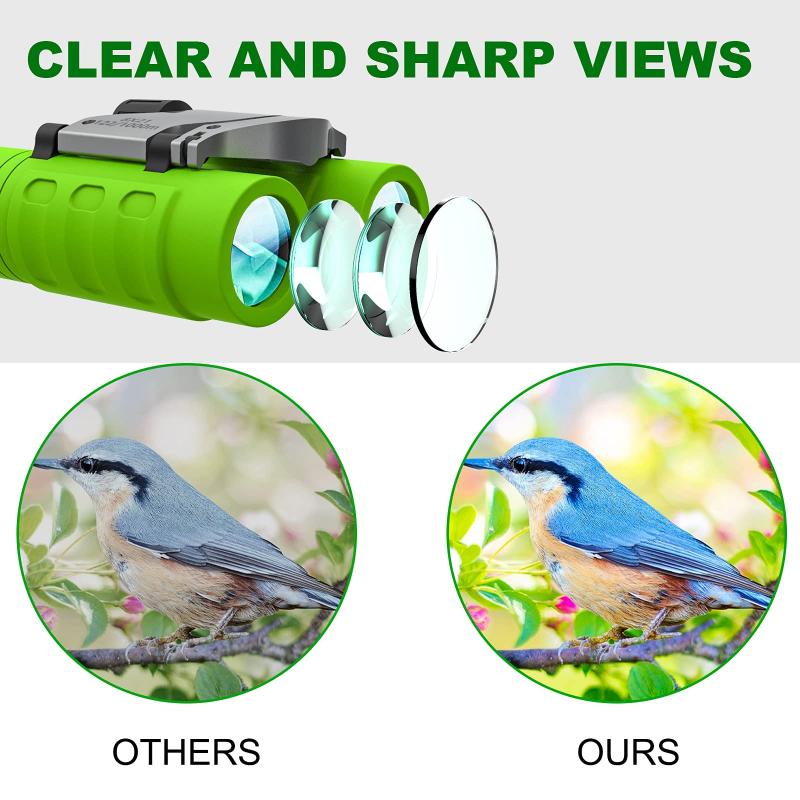
The binocular world has this very romantic concept called "exit pupil," which is not just optical jargon but a formula that dictates how comfortable your viewing experience will be. Divide the objective lens diameter by the magnification to determine the exit pupil value. For example, a pair of binoculars with 10x42 specs has an exit pupil size of 4.2mm (42 divided by 10).
Here’s why this matters: Your eyes need light, especially when viewing in darker environments or distant objects. The average human pupil dilates to around 2mm in bright light and up to 7mm in darkness. Ideally, the exit pupil should match your eyes to provide the brightest image possible, meaning long-distance viewers should aim for an exit pupil of 4mm or greater. Pair "big eyes" with a small exit pupil, and you’ll start seeing dim or incomplete images—no magic stars for you!
Coatings & Prism Systems: Beyond the Numbers
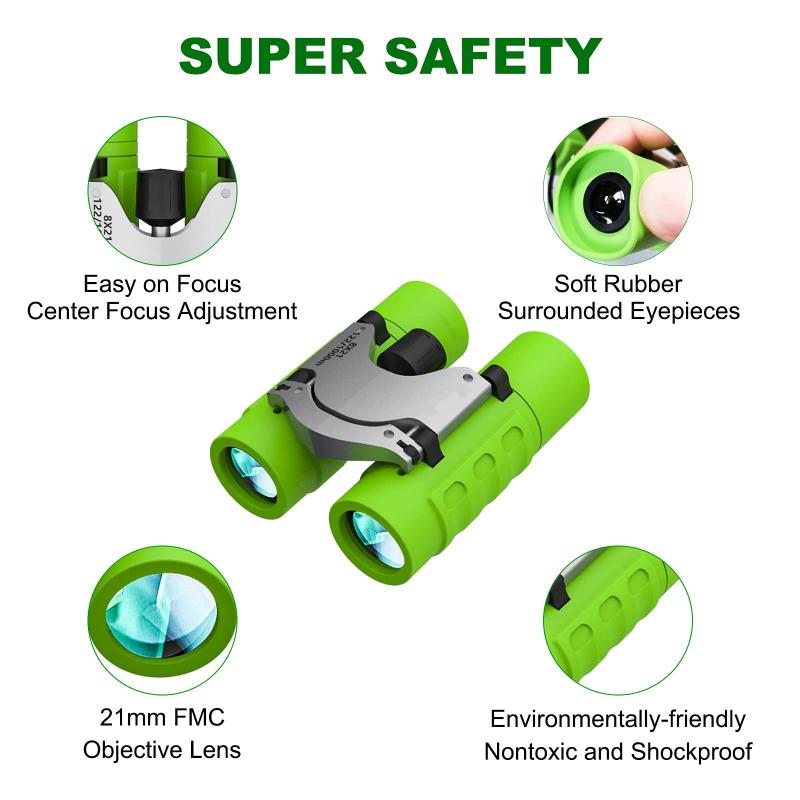
If "coatings" and "prism systems" sound like a marketing ploy, let me assure you—they aren't. These are engineering features designed to optimize clarity, brightness, and contrast. Let’s break it down:
1. Lens Coatings: Multi-coated lenses minimize reflection and maximize light transmission. For distance viewing, aim for fully multi-coated binoculars to ensure light doesn’t "leak out" and images maintain their crisp detail against a potentially hazy backdrop.
2. Prism Types: Binoculars use prisms to flip the image right-side up. Popular choices in higher-end models include roof prisms (compact, streamlined designs that are slightly pricier) and Porro prisms (bulkier but often brighter and less expensive).
Stabilization, Weight, and Portability: Practicalities Matter
Nobody talks about the weight of binoculars until you’ve lugged them on a 35-kilometer hike. Compact models with magnifications between 8x and 10x and an objective lens diameter of 30 to 42mm tend to balance portability, power, and comfort. However, if the goal is truly long-range, be prepared to invest in heavier models around 50mm+, and don’t forget a tripod!
Modern tech also brings us image stabilization binoculars, which use gyroscopic sensors to automatically counteract hand tremors or shake. They’re heaven-sent for long-distance viewing at higher magnifications but come at premium prices.
Recommendations for Long-Distance Viewing
Summarizing the core principles above, here are a few solid options depending on your specific intent:
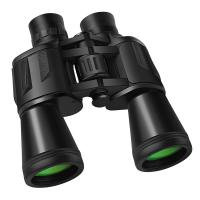
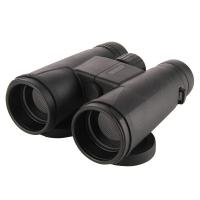
1. Casual Long-Distance Viewing: Opt for 8x42 or 10x50 models that ensure both portability and decent optical performance.
2. Birding or Wildlife Tracking: Consider 10x50 or 12x50 models for sharper contrasts and higher magnification.
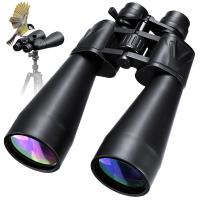
3. Astronomical Observation: Go big with something like 15x70 to 20x80 models, plus a tripod to stay put while gazing at distant planets.
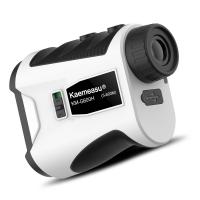
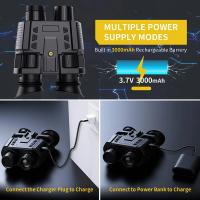
4. Professional Surveillance or Maritime Use: Look into high-end models with integrated rangefinders, stabilization, or night vision.
Closing Thoughts
Choosing binoculars for long-distance viewing involves much more than chasing numbers. By balancing magnification, lens diameter, and practical factors like stabilization and weight, you’ll find a model that doesn’t just magnify but also transforms the way you connect with distant worlds. There’s a joy in discovering those moments—watching soaring eagles comb the skies or capturing a faint glimmer of Saturn’s rings. But choose wisely, because with great viewing comes great responsibility (to hold steady and not strain your neck). Now, go forth and marvel at the wonders that await beyond the horizon.