Can You Take Pictures Through Binoculars?
Ah, the timeless question: can you capture the world as seen through your trusty binoculars? It’s a query sparked by those cinematic moments, where a binocular’s vibrant, magnified tableau seems to beckon us to immortalize it. You’re not alone if, during a birdwatching expedition or a fleeting glance at the moon’s craters, you’ve pondered whether your smartphone could sneakily step in as your amateur astrophotography ally. Strap in, because we’re diving headfirst into the complexities, challenges, and tweaks required to make this idea a reality. Spoiler alert: yes, you can do it. But there’s nuance—and that’s where things get exciting.
A Collision of Two Worlds: Optics Meets Photography
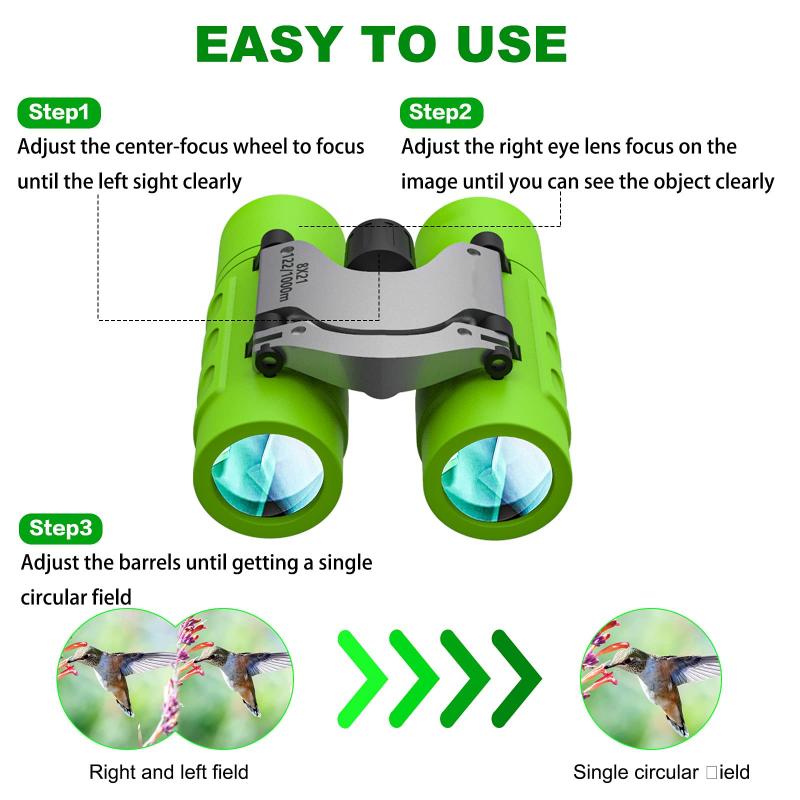
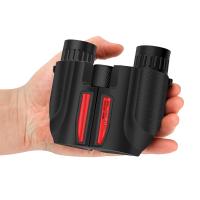
First things first: binoculars are not cameras. They’re a marvel of optical engineering designed to magnify, not capture. Yet, through sheer ingenuity (and often trial-and-error), technophiles and hobbyists alike have bridged this chasm. The concept is simple: point your camera—more commonly, a smartphone—down the eyepiece of your binoculars. Your binoculars become the lens; your smartphone becomes the sensor. Voilà, instant hack! Well, almost.
The operative word here is "almost." Binocular photography, colloquially known as "digiscoping," might sound rudimentary, but it’s an intricate dance of alignment, focus, and stability—not unlike trying to balance a bowling ball on a teaspoon. The results can be breathtaking if performed correctly: think jaw-dropping bird close-ups or capturing distant landscapes with a crisp magnified effect. However, achieving those results requires more than meets the eye.
The Devil’s in the Details: Alignment & Stability

Let’s talk alignment. Your binocular eyepiece and your phone camera lens must be precisely coaxed into alignment—picture it like trying to align the stars through a telescope. Without the right focus, your masterpiece quickly devolves into smudged whitespace or blurry shapes. Sadly, no smartphone has a "binocular mode" (yet), so you’ll need steady hands and patience, or better yet, an adapter.
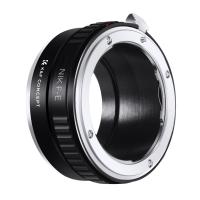
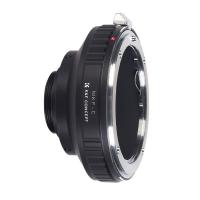
Yes, adapters are your unsung heroes here. These cleverly designed gadgets are the wingmen for aspiring digiscopers, allowing you to clamp your phone to the binocular eyepiece precisely. Why do adapters matter so much? When you freestyle your setup—holding your phone one-handed and binoculars in the other—each twitch or jolt can send your alignment spiraling into chaos. Adapters fix this problem by taking stability out of your shaky human hands. Bonus points: they leave your hands free for adjusting focus or sipping coffee while you wait for the perfect shot.
Let There Be Light: Focus and Exposure Challenges
Next challenge: focus and exposure. Binoculars offer significant magnification, but the magnification also amplifies instability. The tiniest shift can make your subject dart out of the field of view like an Olympian sprinter. Worse yet, focusing through optic layers can confuse autofocus systems on your smartphone, leaving you with blurry images reminiscent of 1990s camcorder mishaps.
Pro tip: switch your phone to manual settings (if available). Many affinity photo apps allow you to toggle focus and exposure manually, giving you more control over the final image. You'll also need to focus your binoculars directly on the subject before attaching your phone. The binocular eyepiece serves as a secondary optical lens, so prioritize sharpness here before even thinking about the smartphone’s involvement.
Optical Hazards: Vignetting and Aberrations

What happens when your digital camera meets an analog gadget built entirely for human eyes? Optical sketchiness, that’s what. Vignetting—those shadowy black circles framing your image—will plague your binocular photography like a bad tattoo in Vegas. These occur because your smartphone’s lens struggles to find the sweet spot within the cramped binocular eyepiece.
Minimizing vignetting demands trial-and-error tinkering, but adapters play a big role yet again. They ensure a seamless coupling between phone and eyepiece, allowing your camera to channel its visual properties without introducing shadows. That said, depending on your binocular model’s lens architecture, some vignetting may persist. Think of it as the nostalgic hallmark that says, “Hey, this was digiscoped!”
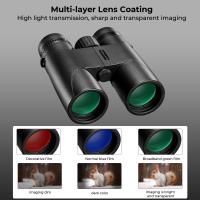
Another gremlin in the machinery is chromatic aberration: those weird, rainbow-colored edges that sometimes accompany high-contrast objects. Cheap binoculars yield worse aberrations due to weaker lens coatings. If you’re serious about binocular photography, it might be time to invest in gear with top-tier optics, or at the very least, learn some post-processing tricks to brush up your images.
Elevating the Art: Essential Tips for Success
To move from rookie to rockstar digiscoper, arm yourself with the following strategies:
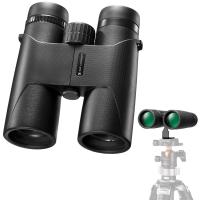
1. Invest in the Right Gear: Beyond adapters, a tripod can stabilize your binoculars and dramatically cut down shake-induced frustration. Higher-quality binoculars with a wider field of view will offer better lighting and clarity.
2. Tweak Camera Settings: Experiment with ISO, exposure, and focus. Your phone’s native camera app might suffice, but third-party apps offer granular control, especially for complex optics scenarios.
3. Optimize Lighting Conditions: Binocular photos suffer under dim lighting. Bright daylight or strategic angles during the golden hour produce optimal results without forcing your camera to overcompensate.
4. Prepare for Digital Touch-Ups: No matter how skilled you become, there’s almost always room to improve your raw image. Use editing apps to crop, sharpen, and polish your photos from science experiment to Instagram-worthy.
Limits of the Hack: Binocular Cameras as Alternatives
If this all feels like too much effort, you might wonder whether binocular cameras exist—and they do! These hybrid gadgets combine magnification and image capture in a single device. Whether it’s for wildlife enthusiasts or amateur astronomers, the modern market offers binocular cameras at varying price points. While they remove many hurdles associated with digiscoping, they’re a bigger upfront investment. Be sure to weigh convenience against cost before pulling the trigger on this upgrade.
The Final Verdict: Yes, You Can—but Should You?
The answer is clear: yes, it’s possible. But is it practical? That depends entirely on your needs, persistence, and threshold for tinkering. For quick casual shots, fiddling with adapters and alignment for ten minutes may not be worth it. On the other hand, if you’re a nature enthusiast hoping to share once-in-a-lifetime visuals, this hack could revolutionize your craft.
Experiment, adapt, and most importantly, have fun. Your binoculars and smartphone can team up for incredible optical feats, even if the process feels a bit topsy-turvy. And hey, who doesn’t love a good creative challenge? Just remember: the perfect shot isn’t about perfection—it’s about telling a story only your lens and binoculars could capture.