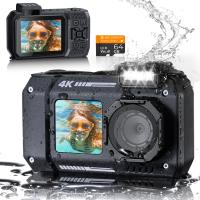
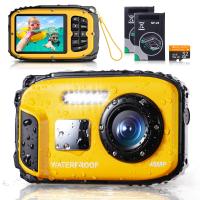
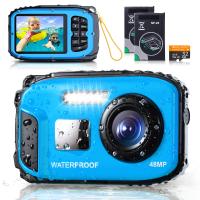
Digital Cameras That Can Go Underwater?
The allure of underwater photography is undeniable. Capturing the iridescent scales of a clownfish as it dances above a bed of coral or documenting the crystalline tendrils of jellyfish against the infinite blues of the ocean is pure magic. But to dive into this unique world, technology has to accompany curiosity. Enter underwater digital cameras: engineered to withstand pressure, humidity, and often questionable handling, they transform your snorkeling and diving escapades into a visual treasure trove.
Yet, shopping for underwater cameras isn’t as simple as picking up the nearest waterproof gadget. With the myriad of choices out there, each boasting a cocktail of features designed to appeal to different skill levels, lifestyles, and ambitions, how do you zone in on the perfect one? That’s what we’re dissecting today: not just which cameras are worth your dollars, but how their inner workings translate to performance in underwater photography and videography. Consider this your deep dive into waterproof tech.
The Basics: What Defines a Great Underwater Camera?
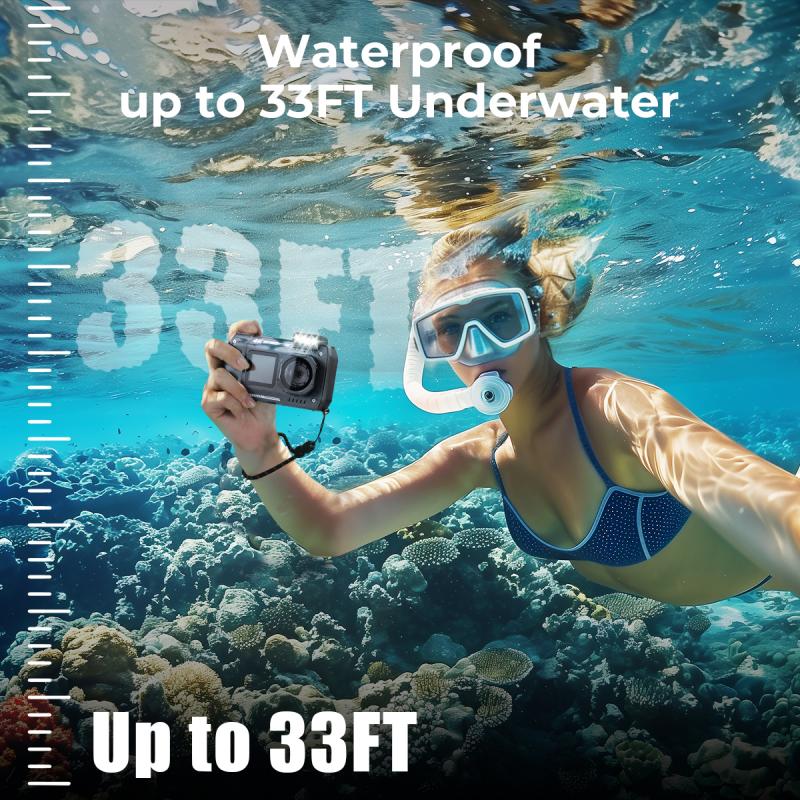
Underwater cameras aren’t a breed apart — they’re digital cameras souped-up to handle watery environments. At their core, they rely on three key traits:
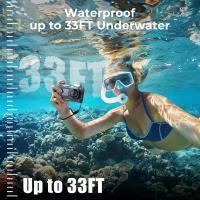
1. Waterproofing Depth: This is the X-factor. Some cameras designed for casual snorkeling max out at 10 meters (33 feet), while professional-grade models can plunge to 30 meters or more without hiccups.
2. Image Quality: Underwater lighting conditions are extremely tricky; they skew blue, lose contrast, and play havoc with your subject focus. A great underwater camera compensates for these challenges via high-quality sensors, wide dynamic range, and effective white balance control.
3. Durability: Water isn’t the only enemy; salt and sand can creep into seams, and accidental drops are expected. Cameras for underwater use need robust construction to survive all this chaos.
Now, let's explore gear options across various user needs — from hobbyists dipping their toes in shallow pools to marine biologists chronicling life at the ocean floor.
The All-Arounder: For Snorkelers and Vacationers

If you're simply looking to preserve memories from your summer vacation without hauling fancy equipment, cameras like the Olympus Tough TG-6 or GoPro HERO11 Black are standout choices.
The TG-6, for instance, supports depths up to 15 meters (49 feet) without an additional casing. Equipped with impressive macro photography powers and unparalleled durability, it’s practically invincible. You can slap it on sand, drop it from a table, or dunk it into the sea — it won’t flinch. And thanks to its bright f/2.0 lens, you get sharp, vibrant images with minimal effort.
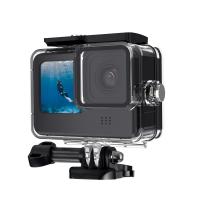
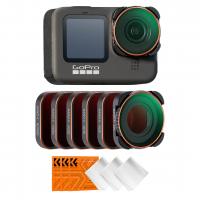
In addition, if videography is more aligned with your interests, the GoPro HERO11 makes sense. Designed for action enthusiasts, it handles depths of 10 meters with grace — or 60 meters (197 feet) when paired with the optional dive housing accessory. Its 5.3K video resolution and hyper-smooth stabilization are game-changers for creating dramatic underwater footage. Imagine filming yourself chasing schools of fish or snorkeling over shipwrecks with cinematic flair!
The Pro Grader: For Divers and Advanced Photographers

Once you go beyond shallow waters, the stakes are higher. Lighting fades, pressure encroaches, and optimal imaging becomes non-negotiable. Cameras like the Canon PowerShot G7 X Mark III with underwater housing or the Sony RX100 VII serve this category well.
Both are compact models that bring DSLR-quality performance in portable designs. Their manual controls allow advanced users to tweak aperture, ISO, and shutter speed settings, vital in dim aquatic environments. Coupled with large sensors, performance shines even when light conditions suggest otherwise. The catch? Dive housings may need to be purchased separately, adding cost — but it’s well worth it if marine exploration is your passion.
For those looking to go hardcore professional, mirrorless beasts like the Sony α7R IV or Panasonic Lumix GH6 coupled with dedicated underwater housing systems emerge as titans. These cameras don't just shoot — they emotionally sculpt underwater worlds into high-resolution tapestry, turning routine coral into Van Gogh-worthy vision. Not for the faint-hearted (or wallet-shy), these setups are the epitome of premium underwater imaging.
Nit-Picking Performance: Features to Care About
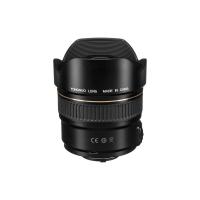
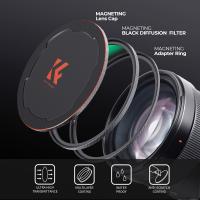
1. Lenses: Wide-angle lenses rule underwater photography. They let you approach subjects closely while maintaining more context — perfect for capturing coral reefs, schooling fish, or unique shallow water formations. Many cameras allow lens attachment accessories for further versatility.
2. RAW Shooting: This feature is indispensable for underwater enthusiasts who prefer post-processing their images. RAW format saves intricate details in photos that standard JPEG would compress out, giving you creative flexibility to counteract color imbalance caused by water refraction.
3. Lighting Accessories: Strobes and underwater lights are underrated heroes. Water absorbs natural sunlight the deeper you go, eating away reds, yellows, and greens. Attachable strobes bring colors roaring back, lending photos an ethereal glow. Some pocket-friendly models even bundle LED lighting with the camera.
Piecing Together "Waterproof" vs. "Water-Resistant"
A common mix-up in camera jargon concerns "waterproof" versus "water-resistant." Water-resistant cameras may survive the occasional splash or rain shower but are not built for submersion. The depths they handle are zero. Waterproof cameras, conversely, embrace submersion; they're built for aquatic environments and marked with certified depth ratings. Never confuse the two!
The Dream Log: Tips for Thriving with Your New Camera
1. Practice in Shallow Locations: Jumping into the depths on day one could spell disaster. Test your gadget in pools, controlled snorkeling trips, or shallow beach waters first. Learn to navigate its waterproof seals and settings.
2. Learn Color Correction: Underwater conditions skew colors, with reds disappearing first. Many underwater cameras feature auto white balance or manual settings that tweak the reds back. Investigate what suits your style!
3. Keep Gear Clean: Saltwater is corrosive. After every dive, wash your camera thoroughly with freshwater and dry it completely to keep its seals and joints intact.
4. Respect Depth Ratings: If the manufacturer says a camera maxes out at 10 meters, don’t push it to 12 meters "for the experience." You’ll end up with a very soggy regret.
Final Thoughts
No matter your skill level or budget size, the underwater digital camera landscape has something tailored for you. Whether you’re documenting dolphins’ arcs at sunrise, cataloging new marine species for research, or showing off Instagram-worthy beach shots, the right waterproof camera transforms simple curiosity into art.
In the grand spectrum of underwater photography, the tools you choose shape the outcome. So choose wisely, care for your choice fiercely, and let the stories begin. The ocean awaits, with pixels shimmering in its depths, whispering the secrets of immeasurable beauty.