Can Thermal Camera See Underwater?
When it comes to technology, one of the questions that often sparks curiosity and debate is whether thermal cameras can see underwater. It's a topic that blends physics, engineering, and practical application, so let's dive into the science and see how thermal cameras fare when submerged.
First, let’s clarify what a thermal camera actually does. Thermal cameras use infrared radiation to create an image based on temperature differences. Infrared radiation is a type of electromagnetic wave, and it’s emitted by all objects above absolute zero. The hotter the object, the more infrared radiation it emits. This allows thermal cameras to "see" heat, even in darkness, by capturing these infrared wavelengths with specialized sensors.
So far, so good. But the minute you introduce water into the equation, things get complicated.
The Physics of Water and Infrared Radiation
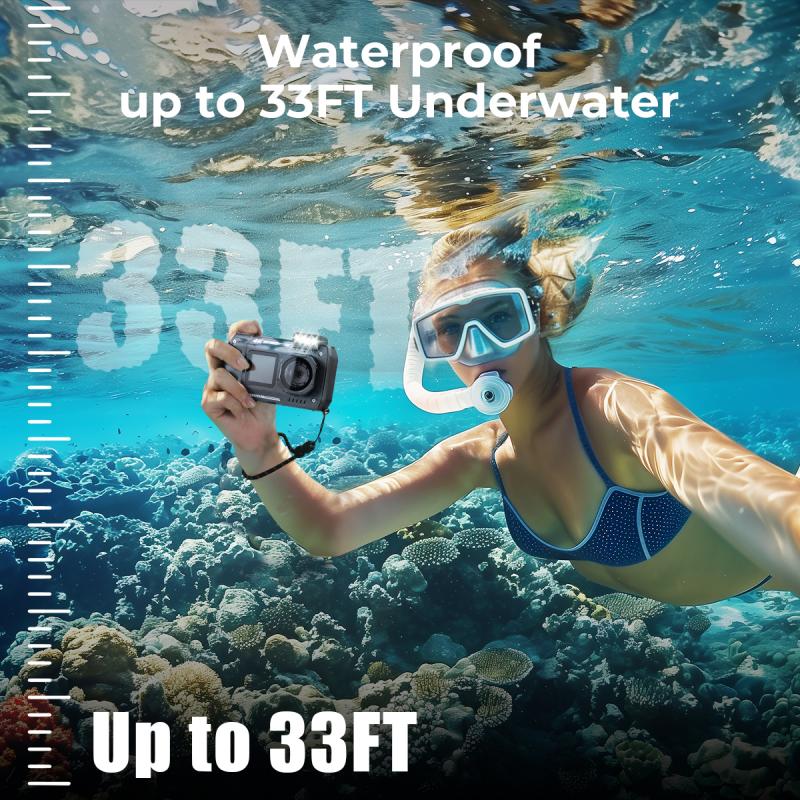
To understand why a thermal camera struggles underwater, you have to consider the properties of water. Water is highly effective at absorbing infrared radiation. This means that the infrared waves emitted by objects beneath the water’s surface are absorbed before they travel far enough to be picked up by the thermal camera.
Infrared wavelengths generally operate in the range of 0.7 to 100 micrometers. For thermal imaging, the most relevant band is 8 to 14 micrometers. Unfortunately, water absorbs radiation in this range very effectively. For practical purposes, the infrared signal emitted by objects tends to dissipate just a few millimeters beneath the water’s surface. This is why thermal cameras, which rely on detecting infrared signals, cannot see much below the surface of water.
A Partial Exception: The Water’s Surface

That said, thermal cameras can detect temperature differences on the surface of the water. For example, a thermal camera might be able to differentiate the surface temperature between areas of a lake or pond, or it might spot something floating or moving on top of the water. For rescue missions, thermal imaging is often used to locate survivors or debris on the surface of oceans or rivers—they detect the heat signatures in contrast to the cooler water.
But once you’re talking about "seeing" something beneath the water, such as a swimming fish or submerged object, thermal cameras hit their limit. The thick medium of water simply doesn’t allow infrared radiation to escape effectively.
Alternative Technologies for Underwater Visualization
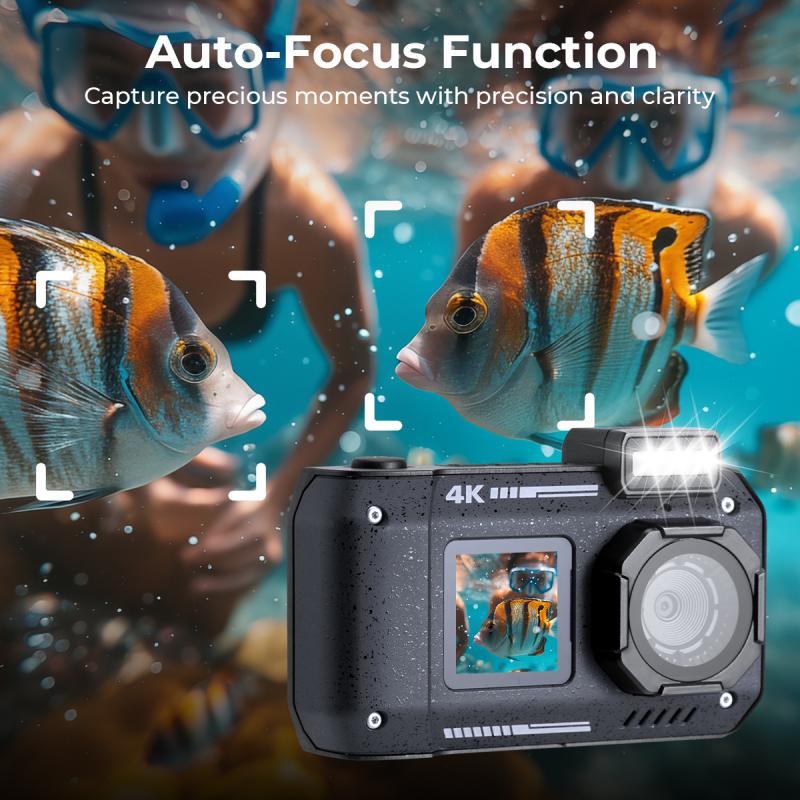
If you're passionate about underwater exploration, fear not—there are other technologies designed for this environment where thermal imaging falls short.
1. Sonar Technology:
Sonar systems use sound waves to detect objects underwater. By emitting sound waves and analyzing the echoes bouncing back, sonar can render accurate images of underwater environments. It’s widely used by submarines, researchers, and even fishermen to map the ocean floor or locate schools of fish.
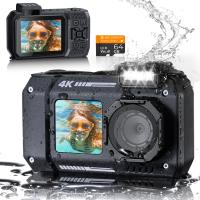
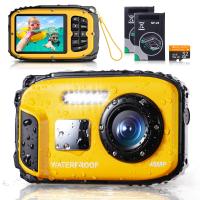
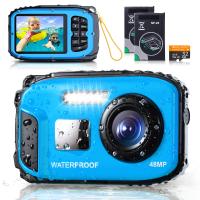
2. Underwater Cameras with Artificial Lighting:
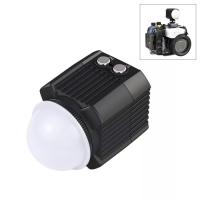
Visible-light cameras paired with high-powered lighting systems can capture visuals underwater, though their effectiveness depends on the water's clarity. In murky water filled with sediments, light-based solutions become less effective.
3. LiDAR Systems:
Light Detection and Ranging, or LiDAR, uses laser beams to map underwater surfaces, but it has limitations similar to visible light cameras in terms of depth and clarity.
4. Submersible Drones:
These aquatic drones are equipped with sonar, visible-light cameras, and even mechanical arms to retrieve objects. They’ve found applications in underwater archaeology, marine biology, and industrial inspections.
Why Doesn’t Anyone Just Make a Thermal Camera for Water?

It’s not a matter of poor engineering or design oversight—it’s all about physics. For a thermal camera to work effectively underwater, it would need to detect heat signals over very short wavelengths that could penetrate water. Unfortunately, such a capability does not currently exist because of the inherent physical properties of electromagnetic waves and water. Even the most sensitive thermal sensors would struggle for a clear view underwater. Thermal imaging is simply not suited to this application.
Practical Applications Where Thermal Cameras Excel
Just because thermal cameras don’t work underwater doesn’t mean they aren’t incredibly useful. In fact, they shine in environments that other visualization technologies struggle with:
Search and Rescue Missions: Spotting people in remote areas during nighttime or in bad weather.
Industrial Inspections: Detecting heat leakage in pipelines or identifying overheating machinery.
Wildlife Monitoring: Counting populations or tracking animals in the dark without disturbing them.
Home Inspections: Locating drafts or areas of insulation loss.
The Final Word
As appealing as it sounds, the idea of using thermal cameras underwater just doesn’t hold water—literally. For those curious minds hoping to get heat signatures in the depths of the sea, you’ll need to turn to technologies specifically designed for aquatic environments, such as sonar or underwater drones. Thermal imaging, remarkable as it is above water, simply isn’t meant for the watery depths.
Understanding the limitations of technology is just as important as appreciating its capabilities. While water remains an impenetrable barrier for thermal cameras, it’s this same property of absorption that allows infrared imaging to excel in detecting heat in terrestrial settings. So while we can’t use thermal cameras to hunt underwater treasure or track marine life, they remain invaluable tools for countless other applications above the surface.