How To Use Color Lens Filters?
Color lens filters are an essential tool for photographers aiming to capture images with specific moods, enhanced details, or improved visual impact. They allow you to play with light and manipulate colors in ways that elevate the meaning and creativity behind your photos. These filters might seem a tad overwhelming for beginners, but trust me, once you master their nuances, you’ll wonder how you ever lived without them.
Filters are generally used to modify color tones, balance light, or create artistic effects. But before you grab your camera and slap the nearest filter on your lens, let’s dive into how to use them effectively and what makes each type of filter special.
The Basics of Color Lens Filters
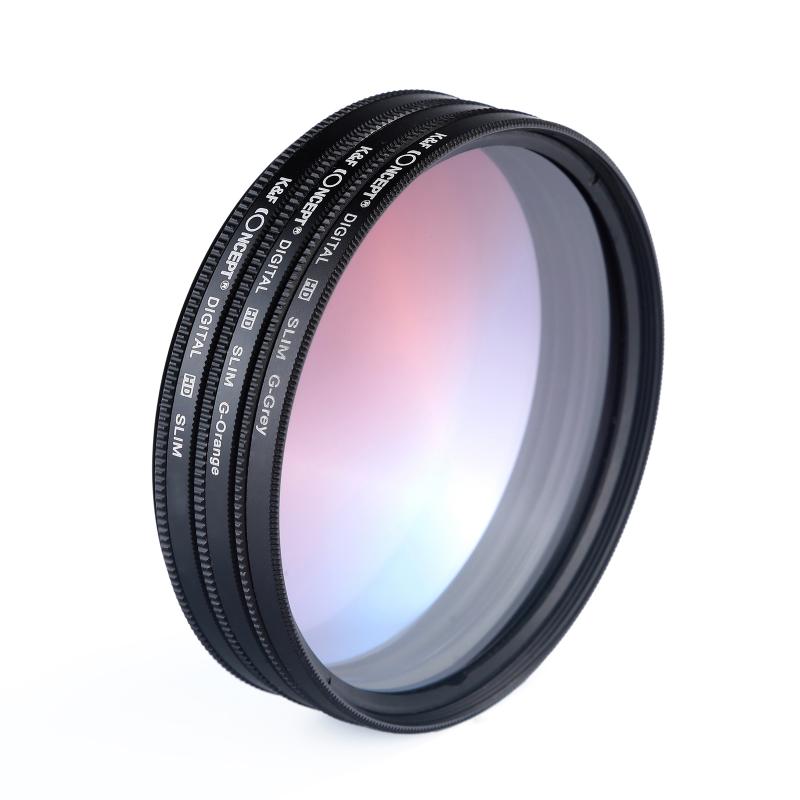
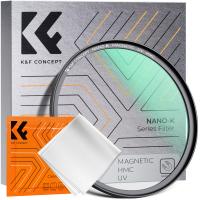
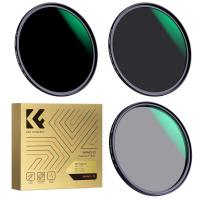
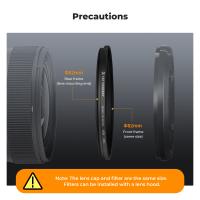
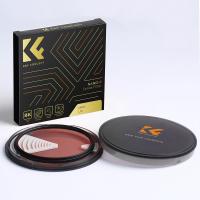
To start, let’s think of lens filters as sunglasses for your camera. Just as sunglasses protect your eyes from glare and enable you to see details more clearly, filters modulate light falling on your camera's sensor to produce desirable effects. Color filters, specifically, tint the incoming light in ways that can evoke emotions or bring out certain subjects in striking ways. These filters screw onto your lens or are mounted onto filter holders. If you're unsure about the technical compatibility, make sure to check the filter thread size on your lens before purchasing filters.
Types of Color Lens Filters and Their Primary Applications
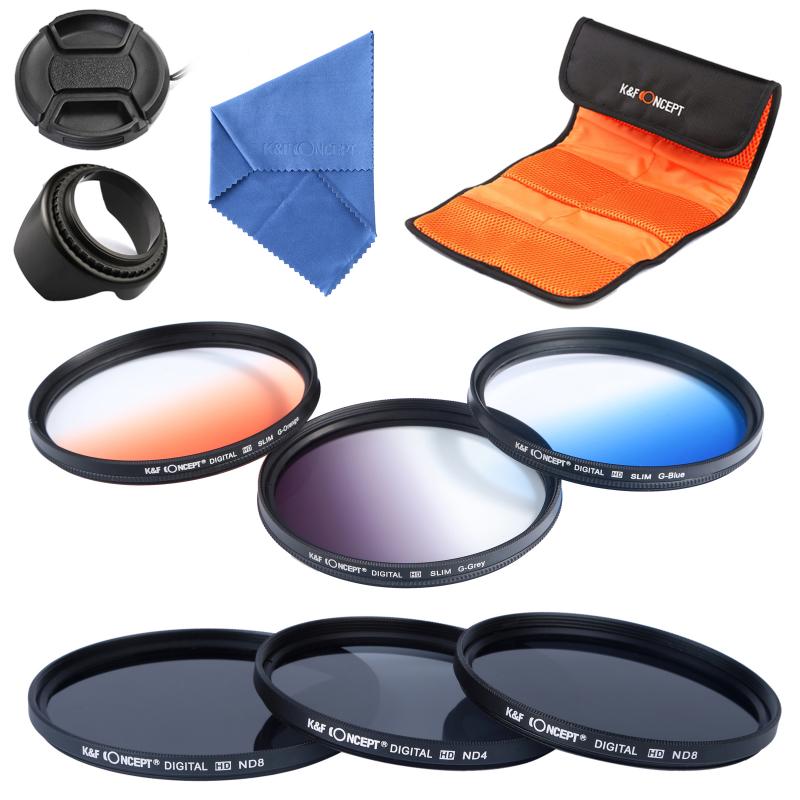
1. Warming Filters: These are great for turning a cool, bluish scene into something visually cozy and golden. For example, a warming filter can soften harsh daylight when you're capturing portraits under direct sunlight.
2. Cooling Filters: The opposite of warming filters, these are ideal for adding a touch of blue or neutralizing overly warm tones. Think about giving a snowy landscape the icy chill it deserves or fixing unnatural orangey tones indoors.
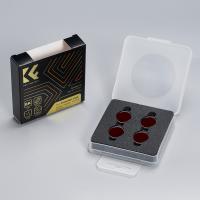
3. Red Filters: Red filters are often used in black-and-white photography, as they create high contrast between blue skies and clouds. Surprisingly, they also intensify skin tones. If you’re a fan of dramatic, punchy images, red filters are a game changer. However, they can eliminate subtle details, so use them with care.
4. Yellow Filters: If you’re aiming for a soft and balanced black-and-white output, yellow filters are your best bet. They provide a subtle boost in cloud contrast and work well for landscapes.
5. Green Filters: These filters finesse the textures in foliage, accentuating individual leaves or blades of grass. Wildlife and nature photographers often use green filters to heighten the crispness of plant life.
6. Blue Filters: Blue filters create a cold, wintry aesthetic and can enhance water scenes or emphasize blue skies. But be aware: overuse can lead to unnatural-looking photos.
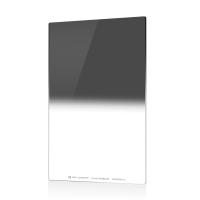
7. Graduated Filters: While technically not limited to colors, graduated filters allow you to balance extreme disparities in exposure. For instance, in a sunset image where you want both the sky and foreground equally visible, graduated orange or blue filters can shift dynamic ranges without ruining the contrast.
How to Choose the Right Filter for Your Shot
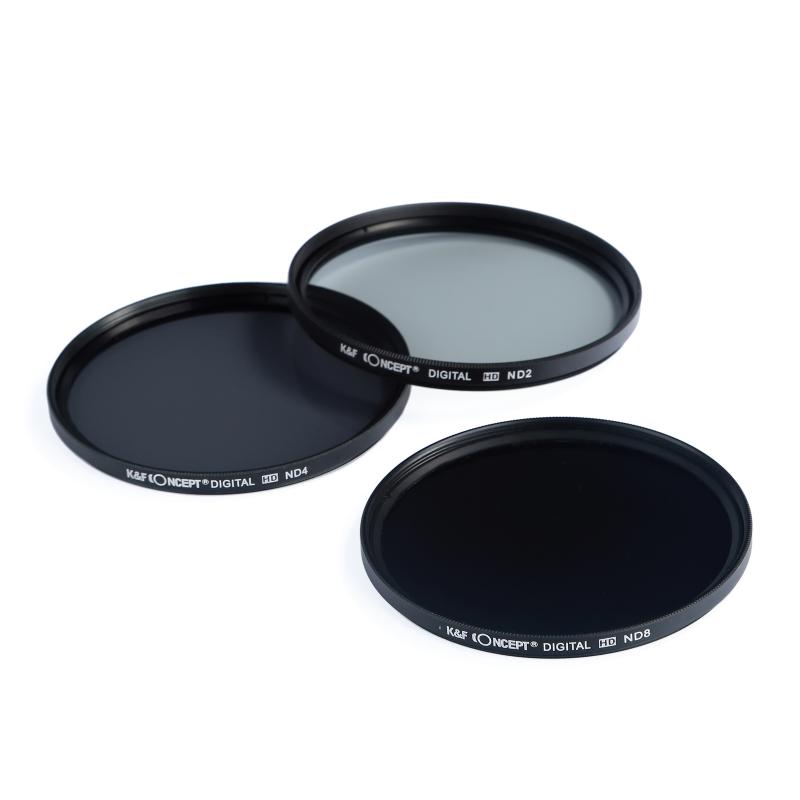
Choosing the correct filter starts with understanding your creative vision for the image. Ask yourself:
What emotion do I want to capture? (Warmth? Coolness? Drama?)
What’s the lighting situation? (Harsh daylight? Golden hour?)
What subject am I emphasizing? (Skin tones? Skylines? Textures?)
This self-questioning approach helps you align your image goals with the filter best suited for the job. If you're in doubt, taking photos with and without the filter can also show you what you may be missing.
Using Filters in Practice
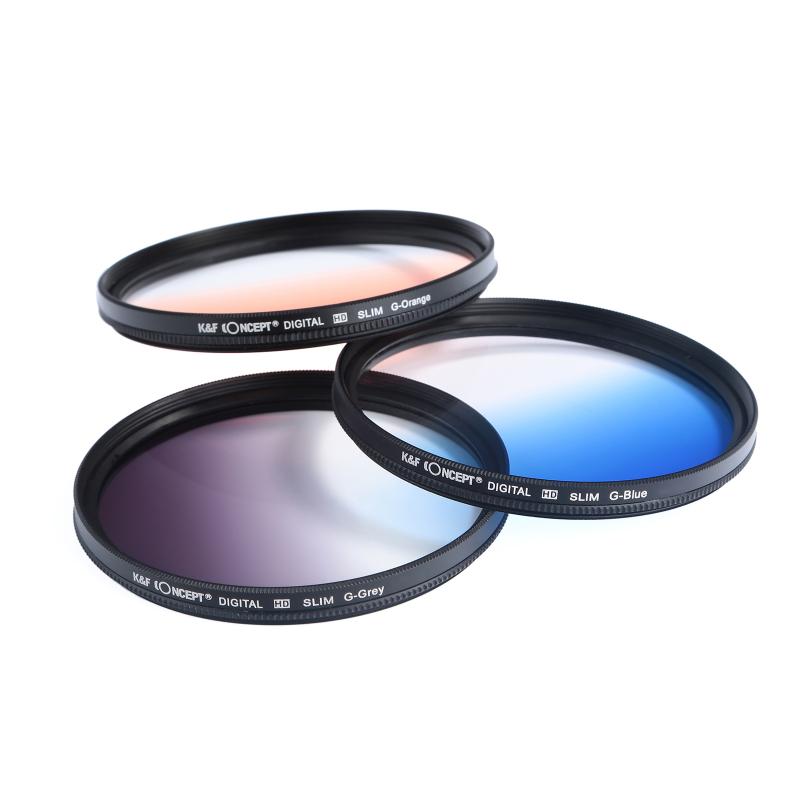
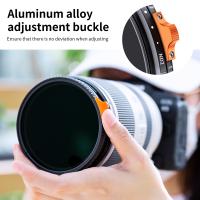
Let’s get down to the practicalities of using color lens filters effectively. First off, practice attaching them to your lens. Filters typically screw onto the lens and feel very secure, but if you’re using rectangular filters, you’ll need a compatible holder to mount them. A misaligned filter can lead to annoying light leaks and uneven effects that ruin your shot.
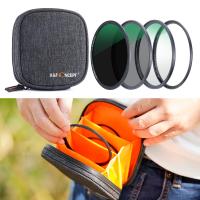
Next, always pay attention to the ambient light. If the setting changes—for instance, moving from direct sunlight to shade—you’ll need to reevaluate the dominance of your filter. Many photographers carry multiple filters with them for this reason. Keeping them organized in a dedicated filter pouch prevents scratches and fingerprint smudges, which can sabotage your results.
Another trick to using filters well is bracketing exposures—taking multiple shots with slightly adjusted settings. Filters alter how light interacts with your sensor, so tweaking exposure helps adapt effectively to the change in luminance or color renderings.
Combining Color Filters with Other Photography Techniques
Here’s where things get really fun: you can mix and match color filters with other tricks in your photographic arsenal. For instance:
Polarizing filters: These work like magic when paired with warming filters to curb glare and intensify color tones.
Long exposure photography: Using color filters in long exposure lets you manipulate both the colors and time effects for dramatic results. Want to make moving clouds look surreal while basking under an otherworldly hue? This combo is your best bet.
Be mindful of stackable filters, though! While combining filters offers exciting possibilities, it can also lead to vignetting—those odd dark corners that appear when too many filters block your lens’s field of view.
Troubleshooting Common Issues
Photography is half improvisation and half troubleshooting. Here are a few tips to avoid rookie mistakes:
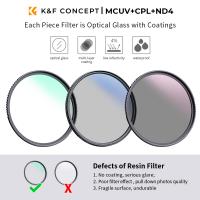
Color cast: Some filters can introduce unintended colors to the scene. This is why cheaper filters should be avoided, as they tend to produce inconsistent results. Investing in high-quality, multi-coated filters will prevent this issue.
Loss of sharpness: Rarely, filters can reduce an image's sharpness, especially if they’re smudged or dusty. This is easily resolved by cleaning your filters thoroughly with a microfiber cloth and lens cleaner.
Light leaks and reflections: These are particularly troublesome under bright lights. Shield the edges of your lens or use a lens hood to minimize reflections and stray light.
Experimentation Is the Name of the Game
The beauty—and challenge—of using color filters is that they thrive on experimentation. One photographer’s perfect landscape might use a cooling filter for a moody vibe, while another might opt for a warming filter to create serenity. The creative possibilities are endless!
Also, remember that post-processing can augment but rarely replaces the effects delivered by a good color filter. Filters are your direct collaborator with light and shadow; editing software is merely the digital cherry on top.
Color lens filters are more than just accessories—they’re tools that unlock an entirely new dimension of visual storytelling. Whether you’re a landscape enthusiast, portrait aficionado, or street photography buff, mastering filters adds depth to your craft. And the joy you’ll find in transforming a bare, boring shot into a masterpiece? Purely unbeatable.
So, go ahead. Grab a filter, experiment boldly, and return with images that make the world pause and squarely admire your skill. The lens, after all, is not just how your camera sees the world. It’s how the world sees *your* vision.