How To Use Telescope Golf Rangefinder?
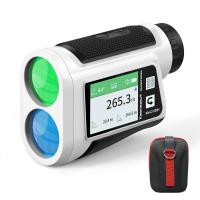
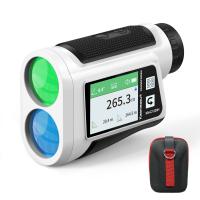
Using a telescope golf rangefinder might sound like a task reserved for some ivory-tower-level golfers, but it's really just a matter of understanding technology that, thankfully, was built to make your life easier. With precision measurements usually accurate up to a yard (or less), these babies can help you stop guessing about yardages and start dialing in those birdie putts. Trust me—there’s nothing more confidence-boosting than walking up to your ball knowing exactly how far it is from the pin.
So, you have a shiny new toy (or maybe it’s been collecting dust in the garage—either way, no judgment), and you’re ready to start impressing your golf buddies or at least improving your handicap. The steps are easy, but the technique? That’s where finesse comes in. Let’s get into the nuts and bolts.
Step 1: Know Your Rangefinder’s Features
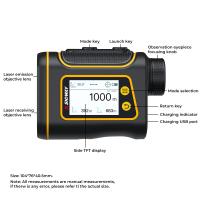
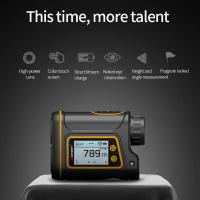
Every telescope golf rangefinder comes with its unique set of bells and whistles. Before you hit the links, pull out the manual, skim through it like you actually care, and get familiar with the buttons, modes, and display features. Most rangefinders have modes for:
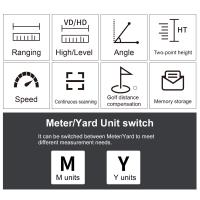
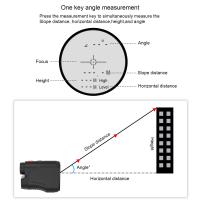
Slope adjustment: Measures elevation changes. (Reminder: Not allowed in tournament play when activated, so check local rules!)
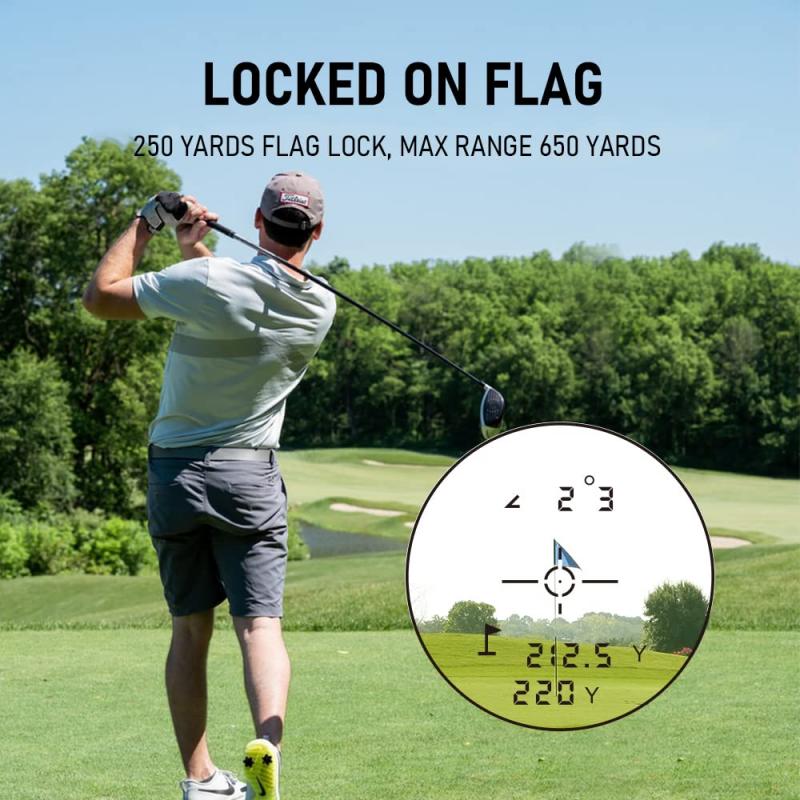
Pin lock/jolt technology: Vibrates to confirm you’re locked onto the flag instead of that random tree way off in the background.
Scan mode: Offers continuous measurements as you pan across targets.
Knowing your device means fewer embarrassing moments, like trying to lock onto the flag only to find out you’ve been targeting a golf cart. Yes, it happens.
Step 2: Steady Hands, Happy Flagging
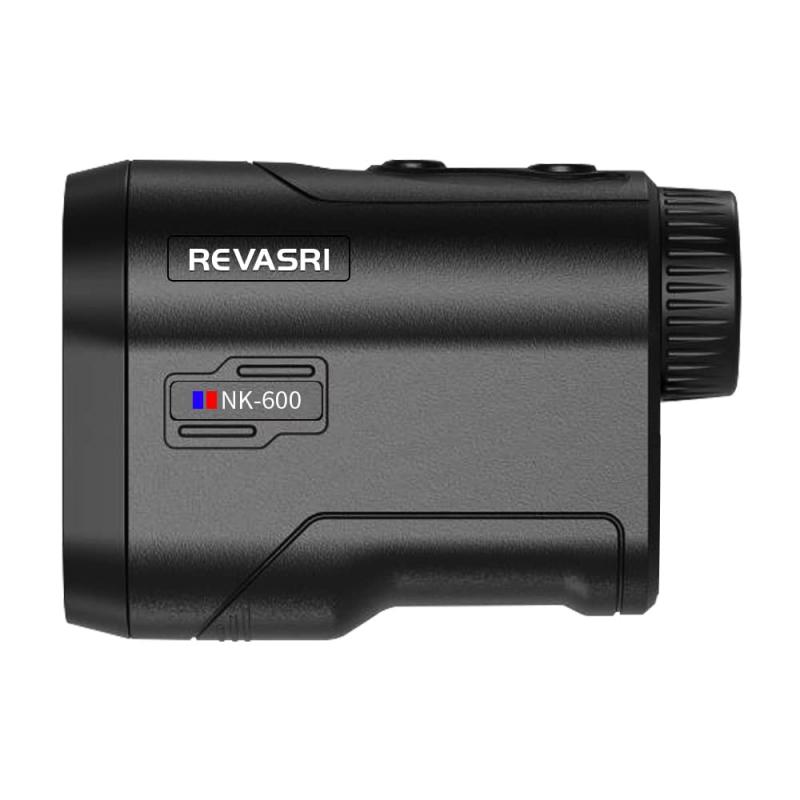
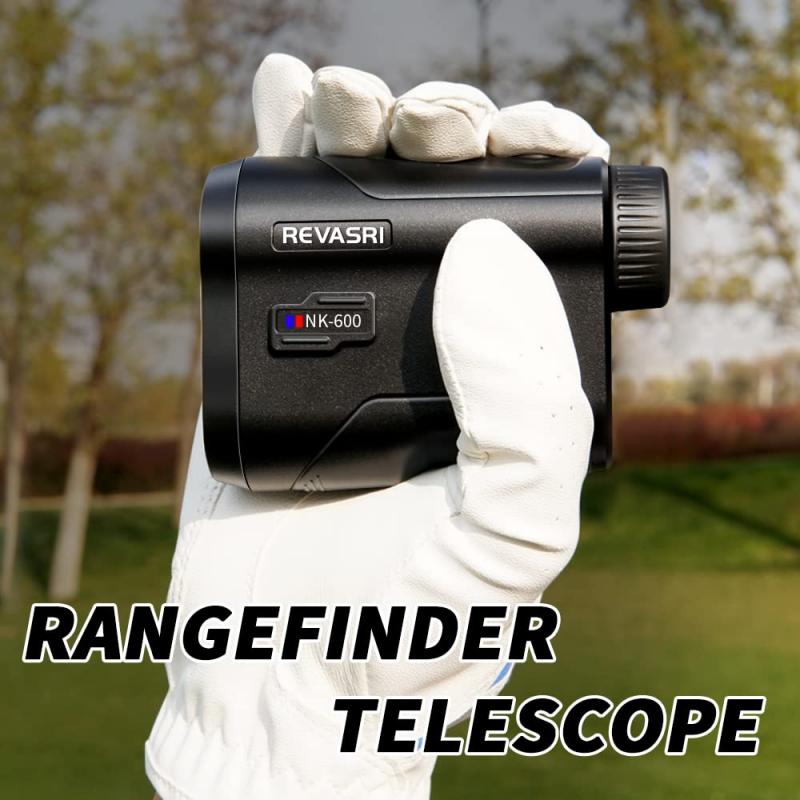
Using a telescope golf rangefinder requires steady hands—the less your device shakes, the more accurate your reading. If your grip is shakier than your confidence after a triple bogey, try:
1. Locking your elbows into your body.
2. Holding the rangefinder with both hands.
3. Practicing your aim in your backyard before heading to the course.
Most rangefinders have magnification (commonly 6x), so even minor wobbles can make your target appear as if it’s in the middle of an earthquake. Always align the reticle/crosshairs with the flag or your desired target and squeeze rather than smash the measurement button.
Step 3: Choose the Right Target
Ah, the art of knowing what you’re pointing at. Most modern devices are equipped with tech to distinguish between the flag and the entire planet of Jupiter, but it still helps to visually confirm your target. Look for:
- Top-of-the-flag reflectors, which many courses attach for rangefinders to lock onto.
- The flagstick itself (though it’s smaller and harder to lock onto).
- Other brightly colored markers or landmarks.
Pro Tip: If you struggle to lock onto the flag from a distance, aim toward the base of the flagstick. That’s often more stable and easier for many devices to detect.
Step 4: Make the Measurement
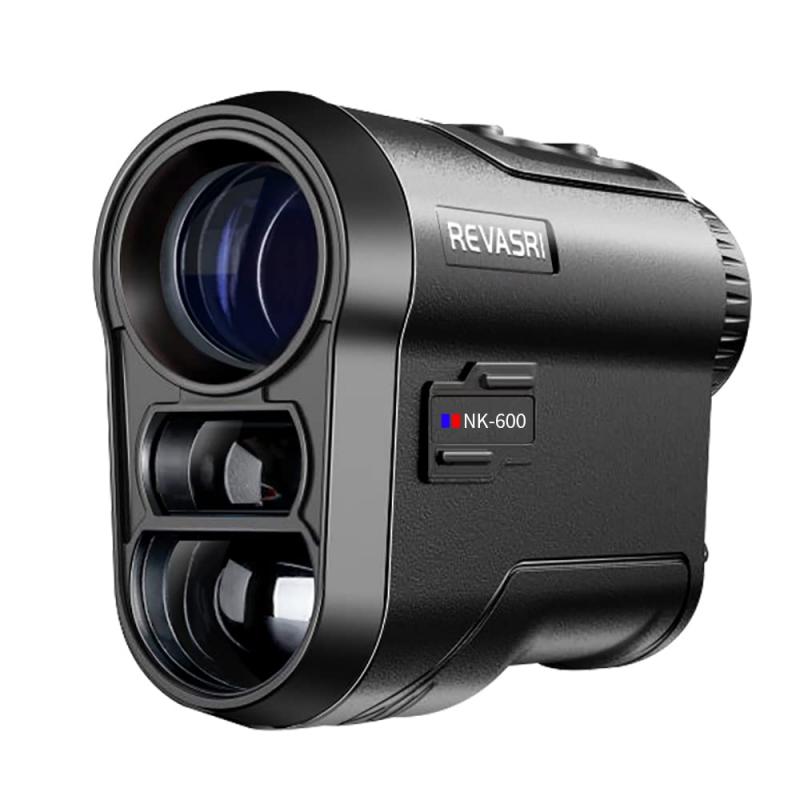
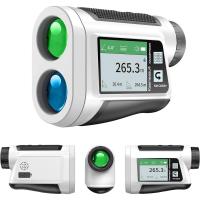
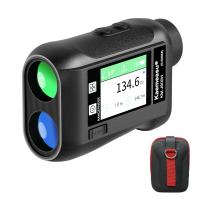
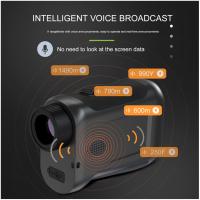
Press the ranging button once your reticle is comfortably aligned with the target. Most devices will emit a vibration or sound to confirm when it’s successfully measured. The screen should then display yardage. Fun fact: Some advanced rangefinders will even call this out in bold letters as *confirmed yardage*—because, you know, sometimes golfers just need the validation.
Quick Tip: If your golf course is hilly, ensure you’re using your rangefinder’s slope mode for elevated measurements. Just don’t forget to disable this if you’re playing competitively—bending the rules isn’t worth the glory (… or getting disqualified).
Step 5: Interpret the Data
Here’s where things get fun—or complicated, depending on your math skills. Once you have your confirmed yardage, decide which club to use. Consider:
- Wind speed and direction: A rangefinder won’t measure this for you, but your brain and some interpretation skills can help.
- Course conditions: Soft greens? Faster roll-off? Factor that into your shot planning.
- Yards to clear hazards: If there’s a pond, bunker, or strategically placed tree, ensure your club selection accounts for any “oops” moments.
For newcomers: It’s better to over-club slightly rather than under-club, especially if hazards are lurking short.
Step 6: Practice. Seriously.
Using a telescope golf rangefinder seems simple in theory, but if you don’t use it consistently or fail to pair its accuracy with solid shot-making, it just reduces to an overpriced gadget to show off. Here’s the rub: you want to use your rangefinder so often that pulling it out feels second nature, like marking your ball on the green. Develop the habit of scoping yardages for EVERY shot:
- Drives
- Approach shots
- Layups
- Even putts! (Yes, some pros use rangefinders to gauge how far a hill-induced roll will mess with their reading.)
The better you know your yardages, the more you can trust your swing.
Bonus Pro Advice: Be Politely Quick
While it’s tempting to analyze every possible variable using your rangefinder, remember there’s an etiquette to golf. That impatient tapping sound coming from someone 20 yards behind you? That’s your playing partner mentally flipping through colorful four-letter words. Keep your pre-shot routine quick and efficient.
Practice Quick-Draw Rangefinding
Doing this like a pro doesn’t mean changing the pace of play. Keep it fluid:
1. Assess your target as you approach your ball.
2. Pull out your rangefinder and zap your number.
3. Return the rangefinder to its pouch (or pocket) swiftly. You’re not unionized for dramatics.
Common Rangefinder Troubleshooting
Just in case you run into issues (hey, it’s the real world):
1. “Why can’t I lock onto the flag?”
- The flag might lack proper reflectors, or your hands aren’t steady enough. Try aiming lower or switching to scan mode for continuous measurement.
2. “The battery died!”
- Well, that’s just poor planning. Keep spare batteries in your bag.
3. “It’s giving inconsistent numbers!”
- You might be targeting the wrong object. Re-align carefully.
4. “How do I clean the lenses?”
- Use a microfiber cloth. Resist the urge to grab the corner of your sweaty golf towel—it builds character, but also scratches.
A Final Word
The more you trust your telescope golf rangefinder, the more confident you’ll become in your decision-making on the course. By removing the guesswork from yardage, it allows you to focus on the pure mechanics of your shot. Soon, your playing partners will wonder if you’ve secretly hired a GPS-enabled caddie (or if you’ve signed up for lessons with someone like Butch Harmon). The truth? It’s just you and your gadget—and maybe a lot more hours at the range.
Now get out there and make your rangefinder proud. Or at least don’t blame it when you hit one into the trees.