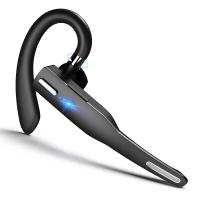
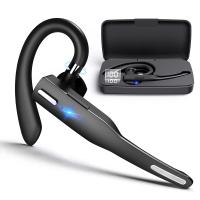
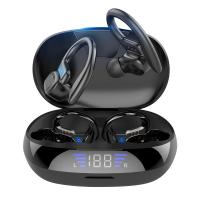
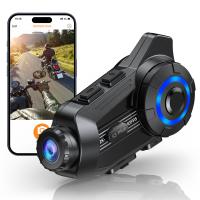
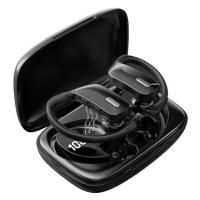
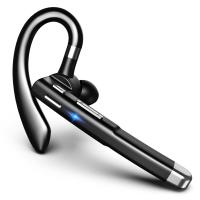
What Is Bluetooth Headset?
In an age where untangling wires feels as archaic as reading handwritten letters, Bluetooth technology has emerged as a liberator of our audio experiences. A Bluetooth headset is essentially a wireless device that connects to other electronics, such as smartphones, laptops, or televisions, using short-range radio waves. It's the shining example of how far we've come in both technology and convenience—a perfect cocktail of form meeting function. But what makes Bluetooth headsets so alluring? Let’s peel back the layers and decode the magic, all while sprinkling in some practical insights for your everyday use.
The Technology Behind It
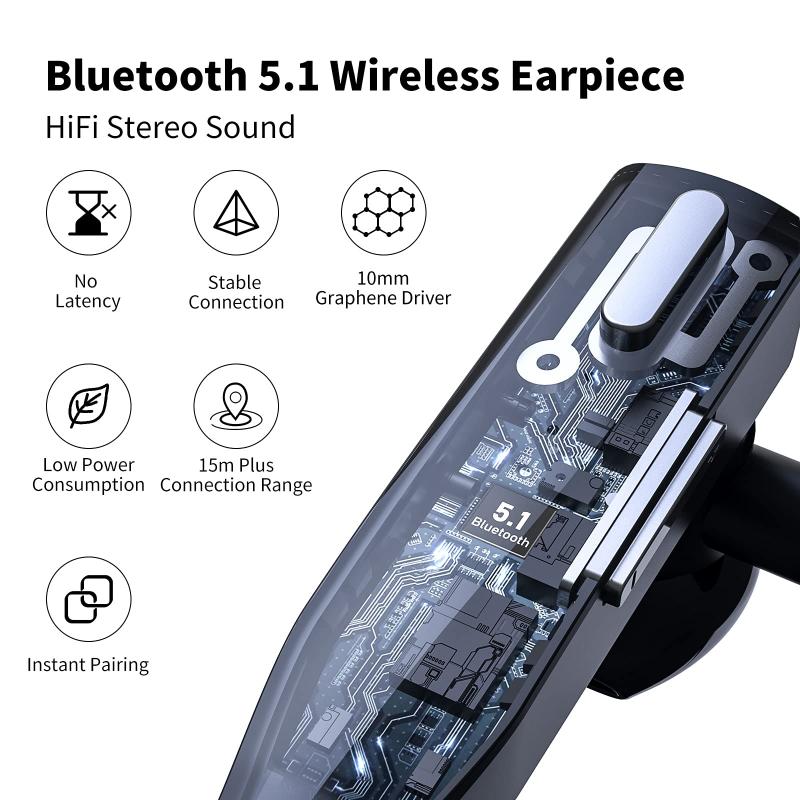
Bluetooth operates on a frequency of 2.4 GHz, which is the same spectrum used by Wi-Fi, cordless phones, and even your microwave. But unlike Wi-Fi, Bluetooth specializes in creating low-power, short-range communication links, or "personal area networks," between devices. This is why Bluetooth headsets can sync with your phone or computer seamlessly within a range of approximately 10 meters (33 feet).
When you pair your Bluetooth headset with a device, it creates an encrypted channel—think of it as a secret handshake between your gadgets. This handshake allows them to share audio data securely without the need for cumbersome wires. Some headsets even sport advanced codecs like aptX or AAC, translating to richer audio and reduced latency. Gone are the days when you had to sacrifice sound quality for convenience.
The Anatomy of a Bluetooth Headset
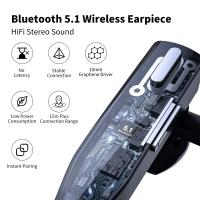
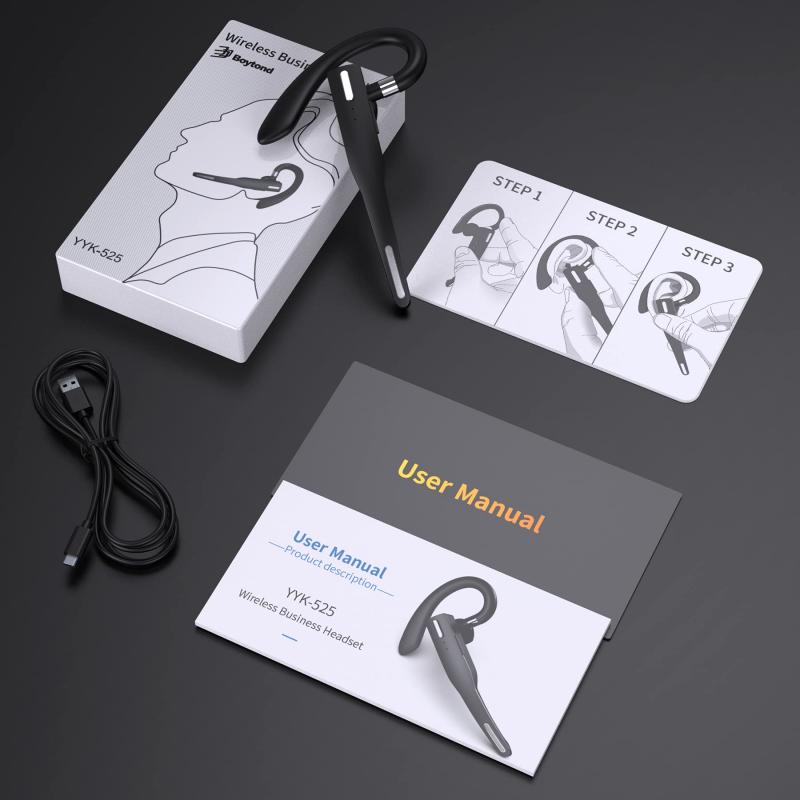
Despite the diverse designs out there—earbuds, over-ear, on-ear—the anatomy of Bluetooth headsets typically includes a few critical components:
1. Bluetooth Chipset: The brain of your headset responsible for connecting and transmitting data.
2. Speaker Driver: Audio reproduction takes place here, dictating the headset's sound quality.
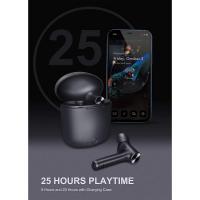
3. Battery: The lifeline for going wireless; most headsets support several hours of playback before needing a recharge.
4. Microphone: Allows for hands-free calls.
5. Controls: Whether physical buttons or touch-sensitive pads, these help regulate volume, pause or skip tracks, and even summon virtual assistants.
Some models come with additional bells and whistles like active noise cancellation (ANC), which uses microphones and speakers to block out ambient noises. ANC transforms noisy environments—airplane cabins, open offices—into peaceful havens for your concentration or relaxation.
Why Bluetooth Headsets Are Popular
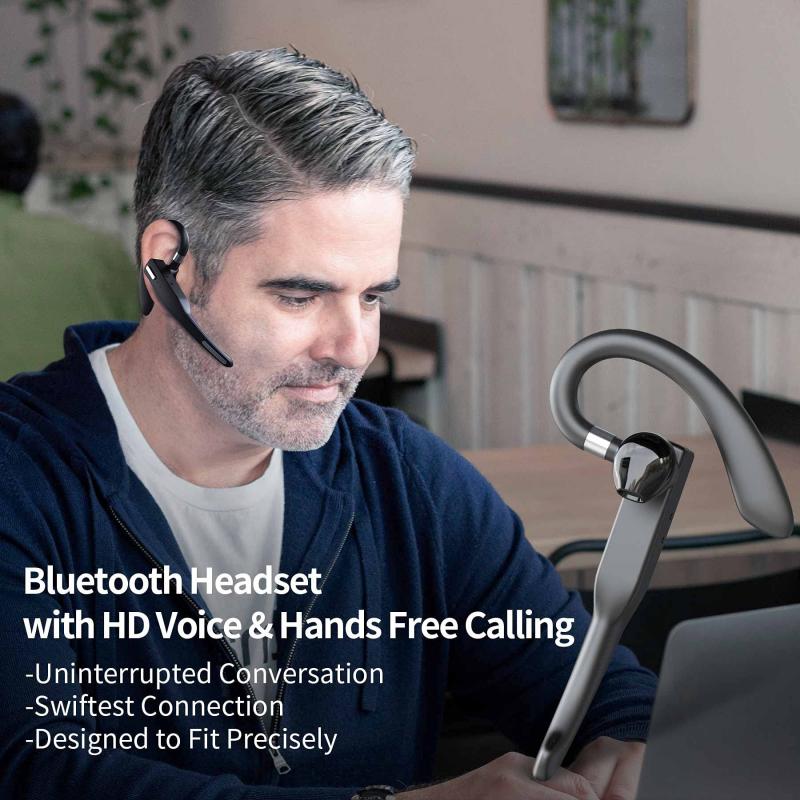
When you step into a gym or commute on public transport, you’ll notice a striking pattern: Most people aren’t bothered with wired headphones anymore. Here’s why Bluetooth headsets are stealing the spotlight:
1. Convenience: No more fumbling with tangled wires that could double as stress toys.
2. Mobility: Unlike wired counterparts, Bluetooth headsets offer an unrestricted range of movement. Whether you're jogging on a treadmill or stuck on a long conference call when nature calls (hey, we’ve all been there), they make for an ideal companion.
3. Multi-device Pairing: Many modern Bluetooth headsets can link to multiple devices simultaneously. For instance, you can listen to music on your laptop while still being able to take phone calls without switching connections manually.
4. Aesthetic Appeal: Let’s face it—sleek, futuristic earbuds like Apple AirPods or Sony WF-1000XM5 have changed the game. Wearing one has become as much a fashion statement as a technological marvel.
Pitfalls and Buyer Considerations

Of course, no technological wonder is without its flaws. These headsets come with their own set of challenges that you should be aware of before taking the plunge.
Battery Life: Unlike wired headphones, wireless ones rely on batteries. The average battery life for earbuds ranges between four to eight hours, though larger models, like over-ear headsets, might extend this to 20-30 hours. If you’re someone who forgets to charge your gadgets, this could quickly become a nuisance.
Sound Quality: Purists argue that wired options still hold an edge for audio fidelity, especially during studio production or critical listening. If you’re an audiophile, the limitations imposed by Bluetooth compression might slightly compromise your standards. That said, improvements in codecs like aptX HD and LDAC have minimized this gap substantially.
Connectivity: While Bluetooth works wonders most of the time, occasional interruptions or lag might creep in, especially in areas congested with devices using the same frequency band.
Cost: With all the bells and whistles packed into Bluetooth headsets, expect them to range from inexpensive entry-level models to downright luxury-priced ones. You’ll have to decide whether features like ANC, longer battery life, or enhanced design are worth the extra investment.
How to Choose the Perfect Bluetooth Headset
Finding the right Bluetooth headset involves more than a quick glance at that five-star rating on Amazon. Here are some guidelines to consider:
1. Purpose: Are you buying it for gym workouts, gaming marathons, or meeting-heavy workdays? Different designs cater to different purposes. For instance, earbuds are lightweight and portable, making them ideal for sports. On the other hand, over-ear models often deliver better sound quality and comfort for prolonged use.
2. Noise Control: If you’re someone who travels a lot or works in noisy conditions, ANC should be high on your criteria list.
3. Fit: Comfort is king. Try out models for ear fatigue, especially the ones designed for extended use.
4. Battery Life: If you’re keen on marathon Spotify sessions, a model with higher battery longevity will save you many mid-song interruptions.
5. Budget: Bluetooth headsets come at varied price points. Research deeply before overspending on features you may not even use.
Maintenance Tips
To ensure your Bluetooth headset lives its best life, treat it as you would a beloved pet. Don’t leave them in extreme temperatures (yes, your windshield during a summer day counts). Clean the earbuds or cups regularly to prevent earwax build-up (gross but necessary). Finally, avoid overcharging—modern batteries don’t need to sit plugged in overnight.
The Future of Bluetooth Headsets
From true wireless earbuds with biometric sensors to AR-enabled headsets for immersive experiences, the evolution of Bluetooth headsets is far from over. As battery technology, Bluetooth standards, and material design continue to improve, expect them to become even more integral to our daily lives. Think of voice-controlled functionality, augmented reality applications, and deeper integration with wearable tech—all possibilities on the horizon.
So, there you go—a deep dive into something you probably use daily but might not have fully understood. Next time you pop in those earbuds or slip on your over-ear pair, spare a moment to appreciate the engineering marvel tucked into that tiny, wireless package. And if your Bluetooth connection ever falters, well, congratulations—you’ve just been reminded that even tech wonders have their off days.