Where Can You Use a Metal Detector?
Metal detecting is a popular activity due to its simplicity and the excitement of discovering something valuable. It's not just an outdoor activity, but also an adventure full of discovery. Whether you're a beginner or a seasoned treasure hunter, it's easy to become captivated by the joy of exploration. You may also want to expand your treasure map, but are struggling to find a starting point; then, take a look at this article.
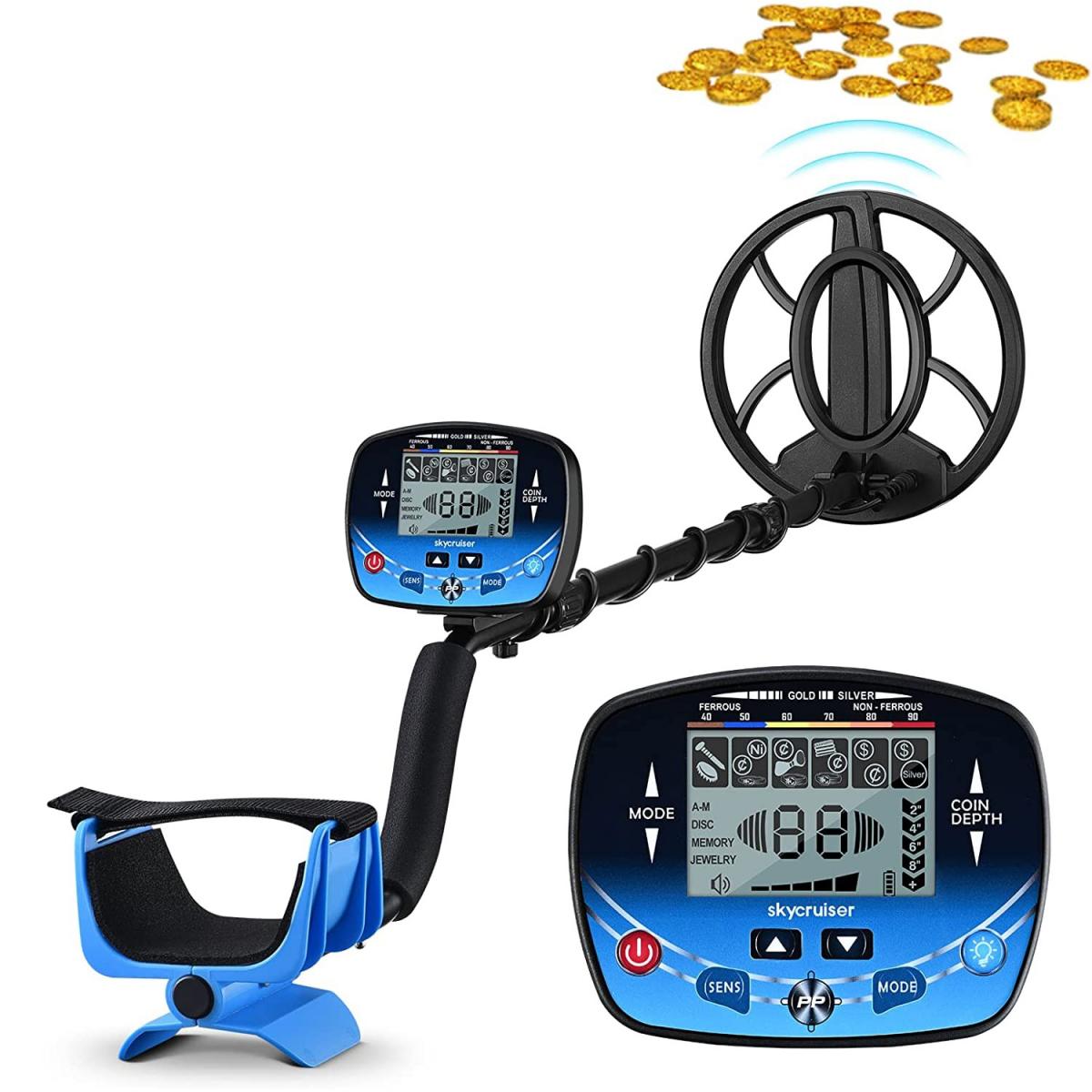
Please remember that metal detection activities come with responsibility. You must respect private property, obtain the necessary permits, and be aware of local laws that may affect your experience. Responsible behavior is essential to ensure that metal detection activities are always enjoyable for everyone.
Where you search with your metal detector greatly influences what you find. Different places have different kinds of treasures. Therefore, selecting the best places to use your metal detector depends on what you're looking to find. Seeking gold coins or historical artifacts? Old homesteads and public lands could be your best bet. Want to find jewelry or unique valuables? Beaches and public city parks could be ideal. Below, I recommend ten great places to metal detect, but again, remember to respect private property.
1.Beaches
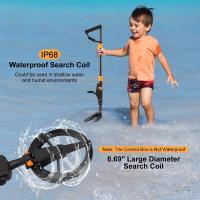
Beaches are great places for metal detection because of their beautiful scenery and the chance of finding lost treasures such as coins, jewelry, and other artifacts. People often leave valuables like rings and coins on the sand while sunbathing. Additionally, the ebb and flow of the waves can unearth long-hidden items. Before using metal detection on public beaches, always be sure to familiarize yourself with the regulations and have the necessary permits.
2.Parks and Playgrounds
If you're just starting out with metal collecting, local parks and playgrounds are great places to start. These are frequented by people, making it easier to find coins and other small items dropped by others. Keep an eye out for picnic tables, benches, and other recreational facilities. Also look under the playground equipment. Stuff will fall through cracks and end up under the crawl spaces. Merry-Go-Rounds, Swings... pretty much anything where a person would be active.; these are often good spots to look for metal. Always follow park rules and regulations.
3.Historical Sites
While conducting metal detection at historical sites, you might discover some ancient items or artifacts. It can be an exciting experience. Search for ancient homes, battlefields, and colonial ruins. If you want to increase your chances of finding important items, you can learn about the area's history beforehand. But always make sure you have the necessary permissions and comply with all local regulations regarding historical sites.
4.Old Churches and Cemeteries
Ancient churches and cemeteries possess a unique charm and often hold important historical artifacts. Using a metal detector in these places, you might discover ancient artifacts, coins, or even hidden treasures. However, when exploring cemeteries, always remain polite and friendly. Always obtain permission from the church or landowner before entering private property for exploration.
5.Rivers And Creeks
Using metal detectors along riverbanks and streams can be quite interesting, as the water flow washes away the soil, revealing hidden items. Long-term activity and digging in rivers and creeks have left behind precious metals, coins, and other artifacts. Be mindful of your surroundings, wear appropriate equipment, and be aware of any regulations regarding searching for metal near water.
6.Wooded Areas and Trails
Even though metal detectors might not yield many coins or jewelry in woodlands or hiking trails, you can still find historical artifacts and other hidden treasures. Over centuries, people have explored these places, leaving behind items that may have been lost or forgotten. Keep an eye out for ancient roads, campsites, and streams—these are excellent treasure hunting grounds.
7.Fairs and Festivals
People often leave behind jewelry, coins, and other small items at short-term events such as markets and concerts. After the event, you can use a metal detector to search the surrounding area for lost items. Always obtain prior consent from the event organizers and adhere to all their rules.
8.Picnic Areas
In national and state parks, campsites and picnic areas are good places to use metal detectors to find items. People often leave behind coins, keys, and valuables while camping or having lunch. Please be sure to follow park regulations, obtain permits if needed, and be considerate of other visitors.
9.Dog Parks: If there's a big grassy field, check the field... people are likely to lose jewelry playing fetch with their dog.
10.Fields:Soccer, Football... scope out where people sits.Digging holes on the actual field will get frowns. Don't do that unless it's a field that's basically abandoned. Volleyball: Walk in straight lines and scan the entire court.
Tips for Successful Metal Detecting
As you learn a new detector, dig all your targets at first to better understand the sound and signals of both undesired trash targets and true treasures. Here are some other tips and strategies to help you become more proficient and increase your chances of making exciting discoveries.
Timing is Everything
As mentioned, beaches are best explored during low tide when more of the beach is exposed. Items that are usually underwater might be revealed after the tide moves.
Peak times are also after a storm because shifted sands and soils bring hidden items closer to the surface. Whether on a beach or in a public park, these times are great for metal detecting.
Adapting to Different Terrains
Saltwater can affect the functioning of some metal detectors. If you're detecting at a public beach, make sure your detector can operate in saltwater conditions. Slow and steady sweeps over the sand are more effective in these environments. Detectors with ground balance capabilities and dedicated salt modes will improve your ability to detect in wet salt sand environments.
For public lands and parks, different terrains require different sensitivity and discrimination settings. In parks with a lot of trash, adjust your detector's settings to discriminate against common junk items while still picking up signals for valuable items. Many quality metal detectors will have dedicated “coin” or “park” modes where some non-desired trash items like pull tabs are already discriminated out or reduced in detection.
Patience and Persistence
Practice makes perfect. Spend time learning the ins and outs of your metal detector, understanding its signals and responses in different conditions. Metal detecting is as much about enjoying the activity as it is about the items you find.
Expand your treasure hunt map with these tips and techniques, making your treasure hunt experience more fulfilling and enjoyable. Every outing is an opportunity to learn and improve your skills. Take the time to get to know your detector, enjoy the process, and let the adventure of metal detection guide you to discover exciting treasures.