How To Hide Outdoor Cameras?
Outdoor security cameras serve as invisible sentinels guarding our spaces, providing valuable footage for those “Aha!” moments after squirrels raid the bird feeder—or for capturing more serious trespasses. However, there are times when stealth is more desirable. Perhaps you want to maximize the deterrent factor without tipping off potential intruders, preserve your home’s aesthetic charm without bulky hardware sticking out like a sore thumb, or simply play a game of technological hide-and-seek with Mother Nature. Whatever the case, hiding outdoor cameras can be a technical puzzle with an aesthetic twist. Let’s unlock it.
Concealment with a Purpose: Blend, Protect, and Perform
Before diving into methods, let’s talk about the golden rule: effectiveness. It’s good practice to ensure a hidden camera retains a clear view and isn’t compromised by creative concealment. Factors such as weatherproofing, unobstructed angles, and sufficient power supply must all be part of your strategy. Got it? Good—let’s talk camouflage.
1. Go Green: The Power of Landscaping
When nature acts as your accomplice, hiding outdoor cameras becomes an art form. For example:
Fake Rocks and Garden Features: You’ve seen those fake rock key holders—why not scale it up? Camera covers designed to mimic rocks, planters, or other decorative garden pieces blend seamlessly into natural surroundings.
Using Bushes and Shrubs: Integrate cameras into dense foliage or use a purpose-built garden camera enclosure. Nestle cameras among flowering bushes (bonus: brightly colored flowers act as a natural distraction).
Tree-Mounted Cameras: Position cameras within leafy branches or on trunk mounts disguised like birdhouses.
Keep in mind that greenery grows (unless you’re guilty of non-water-related plant murder). Prune regularly to avoid obstructing the view. Also, avoid directly burying cameras—dirt and condensation aren’t great friends of optics.
2. Architectural Integration: Build It In
The real estate motto “location, location, location” applies to hidden cameras too. Leverage structural features for discreet placements:
Under Eaves or Roof Overhangs: An excellent vantage point for wide-angle cameras. Mounting beneath eaves is not only inconspicuous but also shields them from rain and sun exposure.
Décor Disguises: Integrate cameras into existing fixtures. For instance, lighting systems with built-in cameras are commercially available, but DIY enthusiasts can retrofit light installations or mailbox slots for stealth surveillance.
Fence-Line Creativity: Vertical structures, such as fences and walls, can host cameras disguised as screws, brackets, or small fixtures.
Beware of overthinking—if you add random “fixtures” where they make no sense architecturally, you’ll have your own suspicious neighbors whispering “spy gadgets.”
3. Sleek Tech: Disguised Cameras
Let’s turn to James Bond-like gadgets. Modern hidden cameras come in sleek designs, pre-built to resemble everyday objects:
Birdhouses: Combining beauty and functionality, birdhouse designs allow for unobtrusive placements while providing excellent width coverage.
Thermometers and Clocks: The kind mounted on walls and outdoor patios—they look functional but secretly capture video.
Fake CCTV Units: This can be tricky since savvy individuals may spot the decoys, but they are excellent for visual deterrence when paired with hidden functional cameras.
Pro tip: When selecting camouflaged gadgets, prioritize quality to avoid compromising image clarity for aesthetics.
4. Play with the Dark Side: Night Tactics
Just as shadows assist in creating drama on the cinema screen, they’re also your ally in hiding cameras outdoors:
Dark-Colored Cameras: Black or gray cameras blend more seamlessly with shadowed areas or darker corners.
Infrared Lights: Many security cameras come equipped with IR lights for nighttime recording, but conceal IR lights behind grilles or semi-transparent housings to obscure their glow.
Both options keep intruders guessing and your cameras undetected after sundown.
5. The Minimalist Approach: Concealing with Paint
If your goal is less “hidden” and more “blended,” then paint becomes the simplest solution. Match the camera casing to your house’s exterior color palette or nearby surroundings. For example:
- Matte black or gray for urban or industrial buildings.
- Camouflage patterns for cabins or woodland properties.
Make sure to avoid painting the lens itself—that's a rookie mistake you’ll only make once. (Then you’ll spend hours scrubbing that off, questioning your life decisions.)
6. Invisible Power Supply: The Hide-and-Seek of Wires
Nothing screams “I’m here!” like dangling wires. While wireless cameras are often preferred, even they require some level of power or maintenance. How do you integrate this stealthily?
Concealed Wire Channels: Run cables through gutters, fences, or behind bushes.
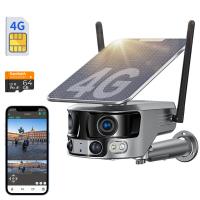
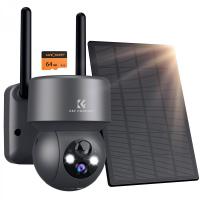
Solar-Powered Cameras: These eliminate wires altogether and look unassuming.
Battery-Powered Options: Cameras powered by rechargeable batteries or solar panels offer flexible placement in unconventional spaces.
Remember, the smaller the power footprint, the bigger the stealth factor.
7. Use Technology Against Itself: Software Stealth
While hardware concealment takes center stage, there’s an overlooked hero trudging backstage—software. Modern outdoor cameras come jam-packed with features for optimized stealth:
Zone Masking: Set specific zones in your video feed, effectively filtering out unnecessary views. This reduces irrelevant motion activity while expanding functional concealment.
AI Object Tracking: Some systems only record when specific objects (like humans or vehicles) enter the feed, further conserving space and battery life.
Silent Mode Operations: Disable unnecessary status lights and clicking sounds to make cameras less obvious during operation.
Stealth isn’t just about appearance—it’s about operational silence too.
Common Mistakes & How to Avoid Them
Even the best ideas can go awry. Let’s highlight common pitfalls:
Overzealous Camouflage: Hiding the camera too well might impair its range or clarity. Always test its field of view after installation.
Environmental Infractions: Direct sunlight or heavy rainfall can damage or redirect focus. Weather shielding should complement camouflage efforts.
Obvious Placements: Do not place your hidden camera where thieves have easy access, such as low fences or reachable flower pots.
Think like someone seeking to disrupt the system—study your camera placements critically before declaring “mission accomplished!”
The Bigger Picture: Balancing Visibility and Stealth
Interestingly, visible cameras themselves act as deterrents for most incidents. Therefore, a combination of decoy cameras and hidden units offers both security assurance and secrecy. Place decoys prominently while keeping the real tech under wraps. Intruders may try to disable the faux units while missing the genuine hidden ones—the true red-card moment for unwelcome guests.
Consider your goals and property layout when deciding how many stealth cameras to deploy. And don’t forget—no camera system replaces human vigilance. Regularly monitor footage and test equipment functionality, whether visible or hidden.
Stealthy security doesn’t mean compromising effectiveness—it’s about being clever, blending the science of concealment with the art of placement. So channel your inner spy, flex your creativity, and let those cameras roll (in magnificent invisibility)!