How To Repair Flood Light?
Floodlights are the unsung heroes of modern outdoor lighting, trusted for their reliability and versatility in illuminating yards, driveways, parking lots, or sporting events. But what happens when your floodlight goes rogue—when its beams of brilliance start flickering, weakening, or worse, disappear entirely? Before you toss it in the trash or call in reinforcements, let me walk you through the process of diagnosing and repairing your floodlight, step by step. Not only will you potentially save a pretty penny, but you’ll also earn DIY bragging rights in the process.
Step 1: Diagnose the Problem Like a Lighting Detective
Before taking your toolkit to your floodlight, it's critical to identify the source of the issue. Here are the most common culprits that may have thrown your floodlight into darkness:
1. Bulb Failure: The bulb might simply have reached the end of its life. Older halogen or incandescent bulbs tend to burn out over time, while LEDs may fail due to internal capacitor or driver issues.
2. Loose Wiring: A loose connection within the fixture itself or improper wiring in the circuit can cause intermittent issues.
3. Faulty Switch or Timer: If the floodlight is connected to a timer or a manual switch, these controls could be malfunctioning.
4. Power Supply Issues: If the unit relies on electricity, ensure that the power source is consistent and active.
5. Exposure Damage: Floodlights are often exposed to the outdoors—rain, wind, dust, and insects—leading to corrosion or damage to the casing and internal components.
Narrow down what’s broken: when you flip the switch, does the floodlight try to turn on, flicker, or remain completely unresponsive? This detective work will guide your troubleshooting process.
Step 2: Safety First—Don’t Be a Casualty of Your DIY Fix
Before manipulating wiring or opening the floodlight housing, make sure you’ve turned off the power supply at the breaker panel. Don’t trust the switch alone; always double-check that there’s no voltage flowing to the circuit you’ll be working on. A multimeter or non-contact voltage tester can be your best friend here, confirming your safety before starting.
If your floodlight is mounted high, invest in a sturdy ladder or scaffolding and ensure stable footing. Don’t become the epic fail video we’ve all seen online.
For added safety, wear rubber gloves, especially if dealing with electrical components.
Step 3: Fixing Common Issues
Here’s a breakdown of solutions based on the issues diagnosed in Step 1:
Situation A: Replacing a Blown Bulb
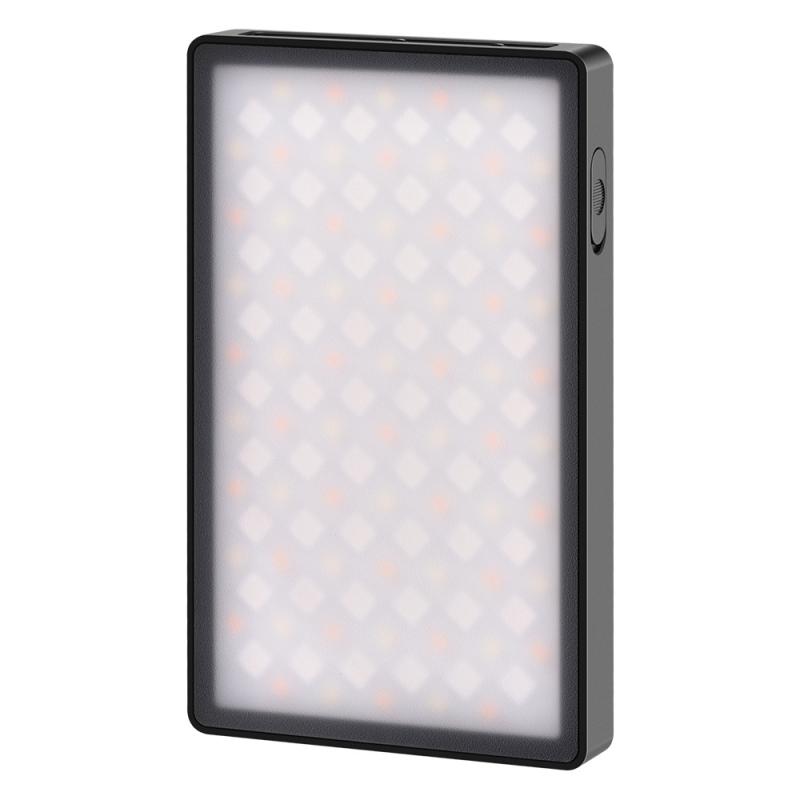
If your floodlight uses traditional bulbs like halogen or metal halide, swapping out the bulb is often the easiest fix. First, check the manufacturer’s specs in your lighting fixture manual. Match replacement wattage, voltage ratings, and compatibility (e.g., don’t put an incandescent bulb into an LED fixture).
For LED fixtures: If the bulb isn’t removable, you might need to replace the entire fixture. LEDs are integral units, and burned-out LEDs sometimes signal failed drivers that are not repairable. If the driver components can be accessed, consider testing their functionality using a multimeter—but tread carefully! LED repairs require a higher level of confidence in electronics troubleshooting.
Situation B: Tightening Up Loose Wiring
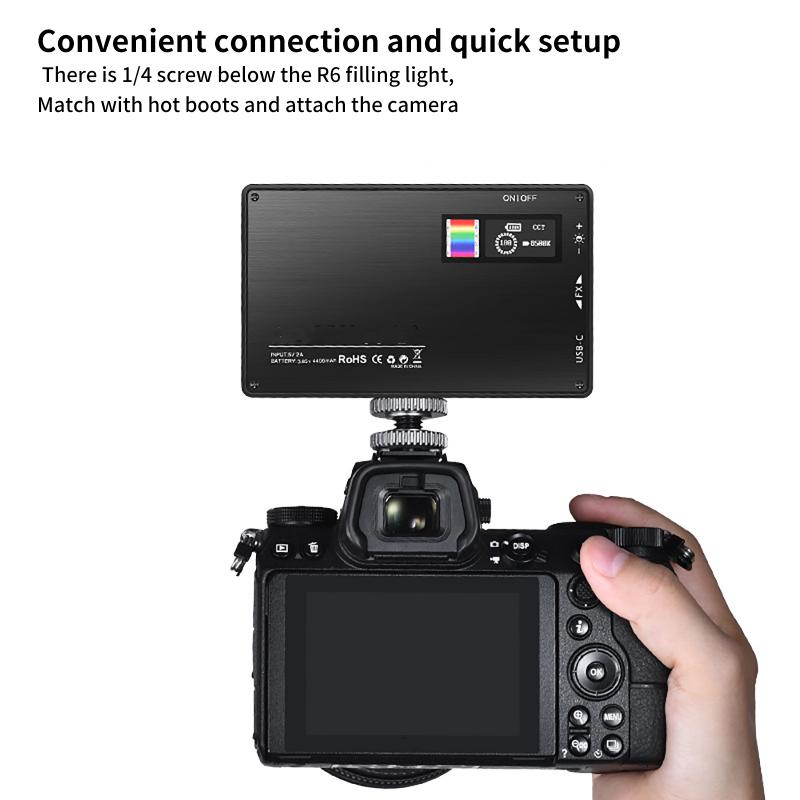
Access the wiring compartment of the floodlight by unscrewing the housing, tracing the main wire connections, and checking for loose terminals. Ensure the connections are tight and corrosion-free. A dab of contact cleaner may help clean oxidized connectors.
Still stuck? Inspect how your floodlight connects to the main power source. In many cases, wiring comes loose in outdoor conditions due to exposure elements or animal tampering (yes, squirrels are lighting saboteurs). If the wires are entirely disconnected, reconnect them securely. If frayed, trim and re-strip the wires, then reconnect using proper wire connectors.
Situation C: Fixing or Replacing Faulty Controls
If the issue lies in the floodlight’s switch or timer, test these components independently of the fixture. Using a multimeter, check whether the timer is delivering current at the set times. Replace any faulty timers or switches.
For older manual switches, upgrading to a modern smart control system might be worth considering. These systems offer additional functions, from motion sensors to remote control setups, reducing the chance of future glitches.
Situation D: Restoring a Damaged Housing
Outdoor floodlights often suffer from wear and tear due to exposure. Check the casing for water intrusion, cracks, or rust. Damaged seals or gaskets can lead to moisture buildup internally, causing a short circuit.
If water has gotten inside, disassemble the casing, dry all components completely, and inspect for damage. Apply new silicone gaskets or waterproof tape where necessary. For rusted areas, clean them thoroughly, then apply protective spray paint to prevent further corrosion.
Situation E: Resolving Power Supply Problems
If you’ve already tested the wiring, timers, and internal connections but your floodlight still doesn’t work, turn your attention to the broader electrical circuit. Check your breaker panel for a tripped breaker. Restore power if necessary, but also ensure the breaker isn’t faulty. A repeated trip might signal power overload in your floodlight or house wiring—consult a licensed electrician if it keeps happening.
Battery-powered floodlights come with their own unique set of challenges. Ensure the batteries are charged or replaced. If the batteries aren’t holding a charge, test the internal connections within the battery compartment.
Step 4: Give It a Test Run
Once your repairs or replacements are complete, reconnect power to the unit and test its functionality. Does the floodlight illuminate the area as intended? If yes, congratulations, Sherlock—you’ve solved the case.
Step 5: Upgradeability Considerations
Floodlight repairs are rewarding, but if you’ve reached the end of repairs, it might be time to consider whether to upgrade to smarter, more durable floodlights. Modern LED floodlights offer long lifespans, motion sensors, weatherproof bodies, and Wi-Fi control features. While pricier upfront, LED floodlights drastically reduce energy consumption and need less frequent replacements—a win for your wallet and the planet.
Final Thoughts
Fixing a floodlight isn’t rocket science, but it does require methodical troubleshooting, respect for safety procedures, and a willingness to get your hands dirty. Repairs often highlight those smaller underlying issues—weatherproofing cracks, loose components—that, if ignored, can snowball over time. Training your inner DIY guru on floodlight repair is a worthy investment.
And hey, as you bask in the glow of your newly repaired floodlight, take a moment to appreciate your efforts. The world may see the glorious, crisp, illuminated driveway you created, but only you know the triumph, adrenaline, and vigilance behind it. Who knew fixing floodlights could light up more than just the backyard—sometimes, it lights up new skills and personal victories.