
UK Nanny Camera Laws 2025: What’s Legal, What’s Not, and How to Stay Compliant
Introduction
As more families hire nannies, babysitters, or carers — and more parents seek peace of mind at home — the use of “nanny cameras” (home CCTV or indoor cameras) has become increasingly common. But if you live in the UK, the legality and responsibilities surrounding such surveillance are often misunderstood. In this post, I break down the current legal framework (2025), what is generally allowed — and what isn’t — and how to use nanny cams responsibly while staying compliant with the law.
.jpg)
Legal Framework: What Governs Nanny Cams in the UK
In the UK, domestic surveillance (including nanny cams) is regulated primarily under two bodies:
-
Information Commissioner's Office (ICO) — enforces data protection laws such as the Data Protection Act 2018 (DPA 2018) and UK GDPR.
-
National / public surveillance standards (for public CCTV), though these generally do not cover private, domestic cameras.
According to ICO guidance, if your camera only captures footage within your private property boundary (inside your home, garden, or areas wholly belonging to you), data-protection law typically doesn’t apply.
However, if the camera records areas outside your property boundary — such as neighbours’ property, communal spaces in flats, public sidewalks, or shared hallways — then GDPR / DPA apply, and you must comply with associated obligations.
When Nanny Cameras Are Generally Legal
Here are common scenarios in which using a nanny cam is generally lawful in the UK:
-
The camera is set up inside your home or garden, and does not record outside your private property boundary.
-
The purpose is legitimate (e.g. child safety, home security), and data is handled responsibly.
Some sources note that surveillance of household employees (e.g. nannies) is legal, provided you stay out of private spaces and avoid recording audio without consent.
In short: It’s lawful to install visible cameras in common areas such as living rooms, kitchens, hallways — so long as you remain mindful about privacy.
When Nanny Cameras Are Likely Illegal or Risky
Even though many households use nanny cams without issue, some practices are likely to be illegal or problematic under UK law:
| Problematic Use Case | Why It’s Risky / Illegal |
|---|---|
| Cameras in private areas (bedrooms, bathrooms, changing rooms) | These are places where people have a reasonable expectation of privacy. Recording there can breach the nanny’s privacy rights and may be illegal. |
| Recording outside property boundary (neighbour’s garden, public sidewalk, shared flats corridor) | Then UK GDPR / DPA applies. Obligations arise: notice must be given, data minimised, storage limited, and third-party rights respected. |
| Use of audio recording / hidden cameras without consent | Audio monitoring is far more intrusive; many consider this a violation of privacy and data protection — it risks legal challenge. |
| Keeping footage indefinitely, or using it for unrelated purposes (e.g. publishing online) | Data protection principles demand purpose limitation, data minimisation, secure storage, and deletion once footage is no longer needed. |
Additionally, some legal experts argue that covert surveillance of household staff or carers (without their knowledge) may be subject to stricter scrutiny, especially when footage captures personal behavior or privacy-sensitive areas.
Best Practices: How to Use Nanny Cameras Responsibly & Compliantly
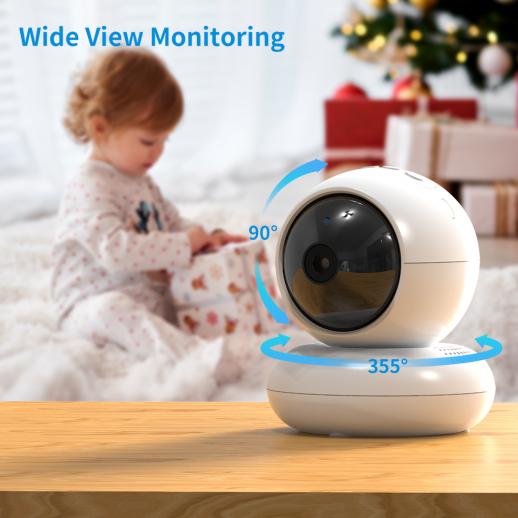
If you plan to install a nanny cam in the UK, follow these guidelines to stay within the law and avoid privacy disputes:
-
Use cameras only in common areas, such as living room, kitchen, hallway — avoid private spaces like bedrooms, bathrooms, changing rooms.
-
Avoid audio recording, unless you have explicit consent (and even then, consider necessity carefully). Video-only is safer.
-
Keep all footage secure, with restricted access, proper storage and encryption if possible.
-
Use footage only for legitimate purposes (child safety, security), and delete it once it is no longer needed — don’t keep it indefinitely.
-
Avoid capturing outside your property boundary. If your camera could record neighbours, shared spaces or public areas — reposition it.
-
Be transparent with household staff — even if not strictly legally required, informing them builds trust and reduces ethical/relationship risk.
-
Handle requests properly — under data-protection law, people sometimes have the right to request footage of themselves (a “Subject Access Request”).
Special Cases: When You Should Be Extra Cautious
-
If you employ a live-in nanny or carer, the issue of expectation of privacy becomes more sensitive. Recording in bedrooms or private spaces can be legally and ethically dubious.
-
If cameras inadvertently cover a neighbour’s property or public area — even partially — GDPR / DPA obligations kick in. Non-compliance can lead to regulatory action.
-
If you plan to share or upload footage, for example online or on social media — that typically contradicts the “purpose limitation” rule, and may be unlawful without consent.
Summary: Are Nanny Cameras Legal in the UK — and When Should You Use Them?
Yes — nanny cameras are generally legal in the UK, as long as they’re used thoughtfully and legally:
-
Used inside your own home / garden
-
Limited to common areas
-
Not recording outside property boundary
-
Avoiding intrusive practices (audio, hidden cameras, private spaces)
-
Storing and using footage responsibly under data protection principles
When used properly, nanny cameras can provide peace of mind for families, help protect children, and offer security. But misuse can cross legal and ethical boundaries — and risk serious consequences.
For anyone considering installing a nanny cam — in 2025 or beyond — responsible setup, transparency, and respect for privacy are key.