How Are Home Security Cameras Powered?
When your mind ventures into the realm of home security, cameras undoubtedly emerge as one of the most critical components. They are the sentinel eyes of your fortress, warding off unwanted intrusions and assuring you that everything is secure, whether you’re inside the house or away on vacation. But while cameras often steal the limelight for their meticulous surveillance capabilities, their functionality relies on a less glamorous but absolutely vital element: power. After all, no camera will record a single frame if it isn’t powered correctly. Today, let's dig into the multiple ways home security cameras connect to power sources and demystify some of the questions homeowners often have.
The Wired Warriors: Power Over Ethernet (PoE) Cameras
Power Over Ethernet (PoE), while sounding more like something from a sci-fi sci-fi enthusiast's tech lexicon, is actually quite simple. It's a solution designed for efficiency, merging both power delivery and data transmission into a single Ethernet cable. Yes, that's right—one cable to power them all and send data back to your storage or monitoring system. This approach saves you from juggling with separate wires for connectivity and power and offers a stable connection for uninterrupted recording.
PoE cameras are ideal for places where reliability is paramount. They’re widely used in business settings but are increasingly finding their way into homes. The primary perk here is you don’t need a nearby power outlet, which simplifies camera placement, especially in awkward nook-and-cranny scenarios.
That said, PoE systems demand more than just plug-and-play enthusiasm. You’ll likely need a PoE injector or a PoE-equipped switch to ensure power delivery, which could add to the upfront investment. And if running Ethernet cables through walls makes you feel queasy, you might want to call in reinforcements—a professional installer with steady hands and an acrobat’s agility.
Old Reliable: Standard Wired Cameras
Now, these are the bread-and-butter type of cameras you often see. Wired security cameras connect directly to a power outlet via good old-fashioned AC plugs. They’re like that dependable friend who always shows up on time—you know what you’re getting. With straightforward powering options via the typical stovetop outlet, this setup leans into simplicity, provided your outlets are optimally positioned for camera placement.

However, while wired cameras are straightforward, they face similar placement challenges as PoE cameras unless you want an ungainly "spider web" aesthetic across your walls. Cable management becomes a secondary art form here, ensuring your house doesn’t look like a DIY cable project run amok.
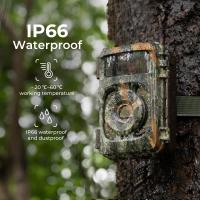
If you're putting one outside to ensure the front porch pizza thief doesn’t strike again, you’ll need to evaluate durability. Most wired models can handle weather-related challenges, but always check for a waterproof designation if you’re aiming for outdoor installation.
Unleashed Freedom: Battery-Powered Cameras
Welcome to the age of wireless liberation! Battery-powered security cameras offer unparalleled flexibility. These devices are not tied down by cords or cables, giving you more room to express your inner interior designer whims while ensuring your premises are under surveillance. They’re ideal for areas far removed from electrical outlets or locations that demand temporary security measures, like your shed during a garden tool sale or the guest room during family gatherings (because who knows when Aunt Karen might "borrow" that picture frame).
However, batteries introduce the inevitable task of regular maintenance. Like any relationship, you’ll need to check in periodically, ensuring the battery life isn’t running low—especially before vacations or extended trips. Some models come with rechargeable batteries, while others require replacements, so be sure to weigh your options here.
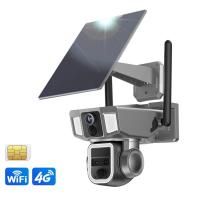
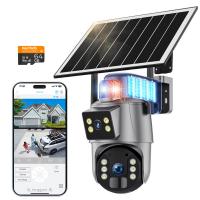
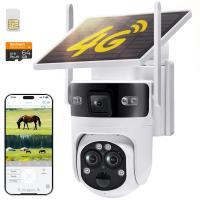
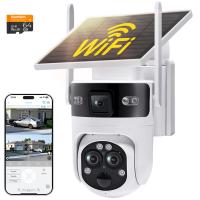
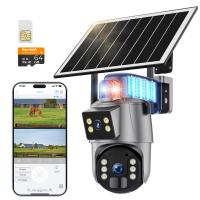
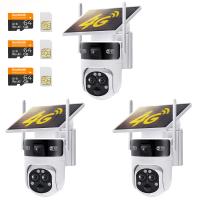
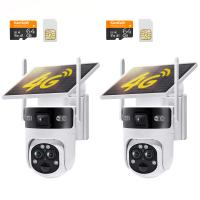
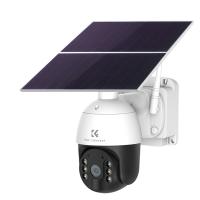
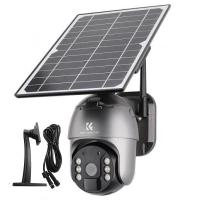
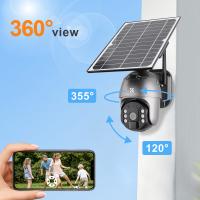
Smart homeowners who dread weekly battery-check duties can opt for battery-powered cameras paired with solar panels. This dynamic duo operates with reduced manual oversight, drawing renewable energy to keep your camera running continuously. It’s an excellent choice for adrenaline-seeking outdoor enthusiasts who want to capture both intruders and wildlife encounters.
The Wireless Wonders: Plug-In Cameras
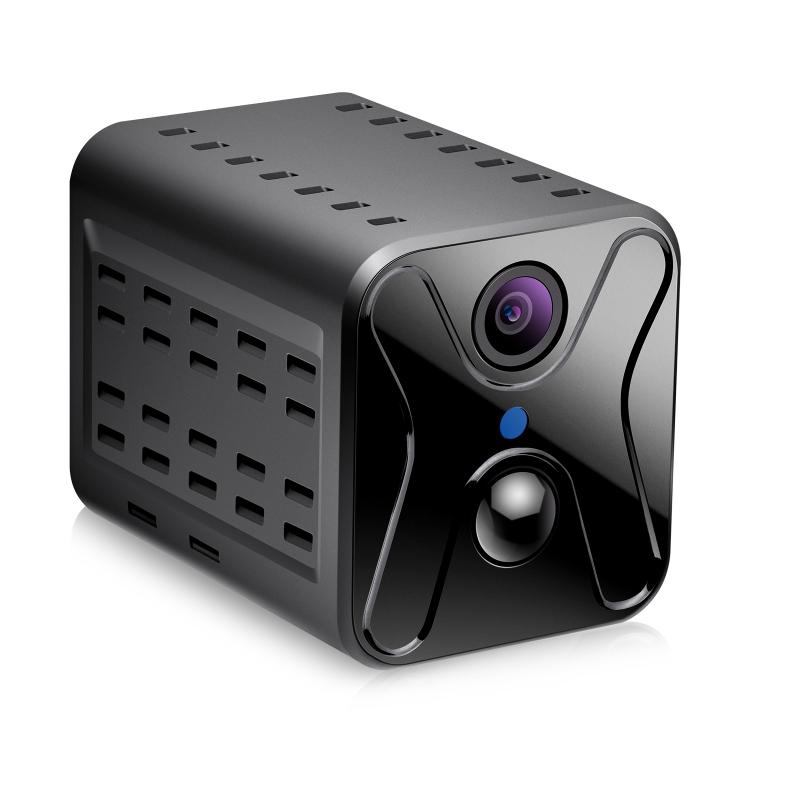
Often confused with battery-powered cameras, wireless plug-in cameras bridge the gap between consistency and convenience. This version requires continuous electrical power but operates wirelessly when transmitting data.
These cameras are excellent for people who prioritize uninterrupted recording without worrying about changing batteries. However, there’s a caveat—you’ll still need to place the cameras near outlets, a requirement that considerably limits “go wild and install anywhere” fantasies. They’re similar to wired cameras but with the practicality of seamless data uploads to cloud storage or other digital repositories.
Self-Sustaining Guardians: Solar-Powered Cameras
In this glorious age of sustainable technology, nothing generates more eco-friendly vibes than solar-powered security cameras. These systems take the energy directly from sunlight and convert it into electricity. Equipped with solar panels, these cameras eliminate reliance on conventional power outlets or batteries, cutting down your electricity bills while imbibing a sense of environmental heroism.
Solar-powered cameras are ideal for remote areas where electrical installations are a hassle. Think farmhouses, dense backyards, or atop that tall tree to monitor your "sneaky squirrel nemesis."
The downside? They’re not invincible to weather’s whims. Cloudy or wintery days may interfere with reliable power generation, so it’s crucial to ensure backup options like rechargeable batteries or alternative energy sources.
Other Notable Options
While these five categories dominate the power debate, niche options, like hybrid setups, do exist. For example, some security cameras can switch seamlessly between plug-in and battery use, ensuring uninterrupted surveillance during power outages. These flexible configurations are like the Swiss Army knives of the security camera world.
Additionally, security systems are gradually embracing smart-home integrations, offering in-built safeguards when power sources fail. Some advanced camera models also include warnings that notify users when batteries run critically low or when a device experiences connection hiccups.
Don’t Forget the Bigger Picture
Understanding how your cameras are powered is only part of the equation; what powers your decision-making matters even more. When selecting a camera, weigh its power options against factors like placement feasibility, maintenance needs, and your willingness to manage wires or deal with battery swaps. And don’t forget to scrutinize other features, like resolution, night vision, and cloud compatibility.
Behind every perfectly-installed camera is a homeowner who asked, “What works best for me?” It’s not just about options—it’s about flexing your Sherlock Holmes muscles and ensuring your solutions match your lifestyle. There you have it: the lowdown on powering up those vigilant eyes of your home fortress. Because when it comes to security, there’s no room for guesswork—only power moves.