How To Carry Underwater Camera?
Introduction: The Art of Underwater Cinematography
Diving into the ocean with an underwater camera is like stepping into another universe, where light dances mystically, colors pop unlike anywhere else, and creatures with alien-like grace glide through the depths. But behind every stunning underwater photograph or ethereal video is an intricate process of preparation, patience, and know-how. Carrying and operating an underwater camera is an adventure in itself, one filled with technical challenges, unpredictable environments, and the occasional surprise encounter with marine life. Let’s unravel how you can venture underwater with your camera while keeping the shots sharp and the equipment unscathed.
Ponder the Physics: Pressure, Buoyancy, and Fragility
Your camera on land has a simple life. Gravity and dust are all it faces. But underwater? Oh, it's a war zone. The ocean exerts pressure—lots of it—meaning every inch of your equipment is fighting the water’s grasp. Cameras don’t come equipped to handle the bends like humans; they need waterproof housings designed to withstand serious depth and pressure.
Let’s start with buoyancy. A camera housed in a plastic or aluminum waterproof casing might float like your lost pair of flip-flops or sink faster than a shipwreck—both are problematic. You’ll need to aim for neutral buoyancy, ensuring the camera neither rockets to the surface nor drags you to Davey Jones' locker. Dive weights or floating arms added to your rig balance the equation, enabling effortless maneuvering.
Fragility is another aspect that gets amplified underwater. Saltwater is unforgiving—it corrodes faster than that friendship you forgot to text back about your weekend plans. Ensure meticulous rinsing and drying procedures post-dive, or you’ll be crying over rusted bolts and malfunctioning buttons.
Carrying Underwater: The Grip Game
Before you even think about strapping your camera to yourself like an underwater version of Captain America, you need to decide how much you’re willing to carry. Large setups with strobes, lights, and filters might capture award-winning shots, but lugging all that weight might also turn your dive into an exercise in frustration.
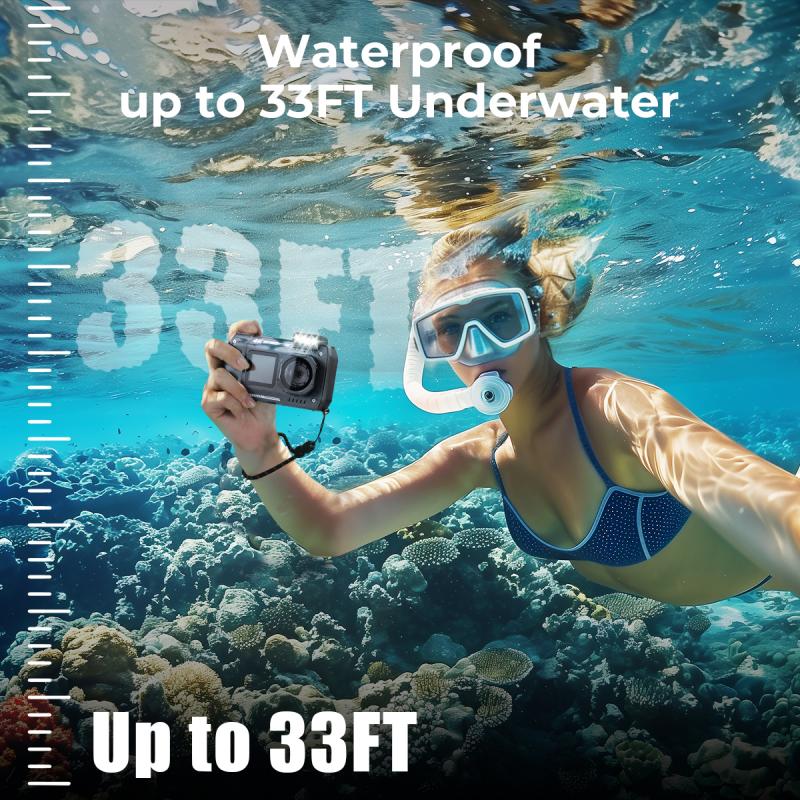
The golden rule underwater is to stay hands-free whenever possible. Wrist straps or a lanyard-style attachment keeps your camera secure without actively holding it. If you’re operating a larger setup with multiple add-ons, invest in a tray or rig system with ergonomic handles that offer stability when shooting and seamless portability when you're swimming between shots. You’ll thank yourself when currents start pulling you around like a ragdoll.
For the pro divers, carrying the camera on a mount system attached to your scuba gear allows for easy switching between swimming and filming modes. However, you’ll have to practice handling the extra weight because, trust me, a poorly adjusted setup will leave you swimming in circles—a frustrating and comedic spectacle for onlookers.
Underwater Movement: Shooting Like a Manta Ray

Moving underwater is an art. The camera hates jerky movements. It's like trying to watch someone film a wedding while holding the camera with jittery hands—the results can ruin the moment. Smooth fin kicks and deliberate directional changes do wonders for your footage. Think “glide,” not “charge.”
Here’s where buoyancy mastery comes into play. Proper control of your ascent and descent via your buoyancy compensator device (BCD) keeps your movements fluid. If you’re too buoyant or negatively buoyant, you’ll bob around or dig into sand patches, neither of which scream “cinematographer extraordinaire.”
Lighting the Scene: The Eternal Struggle
You may have noticed that water rapidly eats away natural sunlight, leaving subjects dull and lifeless at depths below 10 meters. This is exactly why divers carry strobes and lights to illuminate the underwater world. But carrying an underwater light adds complexity—increased weight, finite battery life, and possible blinding encounters with photophobic fish (we’re looking at you, lanky squid).

Consider mounting one or two small LED lights on your camera rig to fill shadows and restore lost colors. Avoid super-powerful lights unless you’re going for dramatic, high-power illumination (common for wreck or cave diving). Otherwise, subtle diffused lighting will give vibrant results without overwhelming your marine companions.
Environmental Responsibility: Don’t Be “That Diver”
The underwater realm isn’t just an exotic backdrop for your social media—they’re ecosystems teeming with life more ancient than anything you’ll see topside. Being a responsible diver means ensuring your gear doesn’t scrape coral, kick up sand, or intrude on marine creatures in their natural rhythm.
Consider taking shallow test runs with your camera before hitting deeper waters. Understand the environmental dynamics—currents, visibility, and surrounding ecosystems—during each dive. This preparation will allow you to capture that clownfish darting among its anemone without disturbing its home like an uninvited dinner guest.
Maintenance: The Post-Dive TLC
Your camera has just survived several atmospheric pressure changes and possibly some unexpected saltwater exposure. Now it deserves your love—or at least a good rinse. Detach every piece of your rig post-dive and rinse everything with fresh water to clear away the saline residue.
Don’t forget to inspect the waterproof housing’s seals and O-rings. One spec of dirt, and your next outing could end in a flooded disaster. For those using accessories like strobes or filters, battery checks and recharge cycles are critical in ensuring no mid-dive power failures when you need them most.
If possible, dry everything in an air-conditioned space immediately after rinsing. Humid environments are breeding grounds for mold and corrosion, turning your beautiful underwater rig into a paperweight faster than you can say “sea cucumber.”
Mastering the Art: Practice Makes Perfect
Few of us are born underwater camera specialists (unless you've got a Neptune-level ancestry revelation to share). The key to seamless underwater shooting lies in practice and adaptability. Every dive offers different challenges; visibility, currents, and lighting conditions are unpredictable. Learn to go with the flow—quite literally—and appreciate the intricate balance between diving skills and cinematography.

On land, try practice runs with your rig in swimming pools before heading into open water. Learn the camera controls inside out; muscle memory allows you to adjust settings instinctively underwater. Test every function to ensure zero leaks or button misfires. Also, there’s nothing cooler than confidently switching ISO settings 20 meters down while being circled by a curious octopus.
Closing Thoughts: The Shot of Glory
Carrying an underwater camera is a fusion of science, art, and pure adventure. It involves understanding your equipment, mastering the aquatic environment, and balancing technical precision with a deep respect for the ocean and its inhabitants.
Remember, the goal isn't just the "perfect shot" for Instagram—it’s preserving memories of nature’s breathtaking mystery. You'll make mistakes (I won't talk about the time my camera decided it liked being upside-down underwater), but every imperfection becomes part of the story. Dive in, keep your hands steady, chase the light, and let the underwater world hit “record” in ways you never imagined.