How To Travel With Underwater Camera?
Travelling with an underwater camera can be quite the adventure, both figuratively and literally. Whether you're a diving enthusiast chasing coral reefs or a snorkeler capturing vibrant schools of fish, taking care of your underwater camera is as important as getting the perfect shot. Today, we're diving deep into the logistics, tech tips, and practical hacks of traveling with your aquatic companion. Don't worry; we're not just talking about gear here—we’re talking about making your underwater photography travel-ready, smooth, and efficient.

Packing Your Tech: Give Your Camera the VIP Treatment
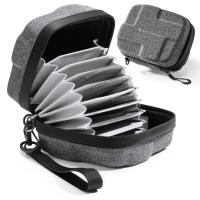
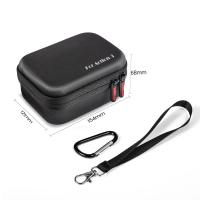
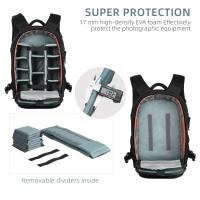
Your underwater camera might be rugged and built for submersion, but its journey from your living room to the depths of the sea can be more perilous than you think. First things first: invest in a premium carrying case designed for cameras or underwater housing. Shock-proof and water-resistant is the name of the game here. This is your first layer of defense against accidental drops, pressure changes in the cargo hold, or spills from that flimsy airport latte cup.
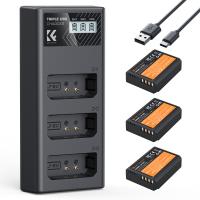
When packing your underwater camera, don’t forget about the accessories. Rechargeable batteries, memory cards, O-rings, chargers, and silica gel packets (to manage humidity) are all non-negotiable. Organization is key—keep smaller items in separate zippered pouches to avoid digging through a chaotic bag at the dive shop or on a boat rocking back and forth. Also, carry a soft microfiber cloth; it’s indispensable when you need to clean your underwater casing lens before the action starts.
The golden rule of camera travel: pack it in your carry-on whenever possible. If airline policies force you to check larger gear, never just toss your camera into your suitcase. Wrap it well in clothing or soft padding to minimize vibrations and impact.
Understanding Camera Housing: Because Your Camera Doesn't Breathe Water Like You Do
If your camera requires underwater housing—which is often the case with professional models—you’re engaging with a piece of precision-engineering that’s sensitive to even tiny errors. Before leaving home, make sure that the O-ring (the rubber seal that keeps water out of the housing) is spotless and lubricated with silicone grease. Just one hair or grain of sand can compromise the seal and turn a magic dive into a horror story.
Testing the housing is mandatory. Seal the camera inside and submerge it in a sink or bathtub before your trip. Look for bubbles; these will betray any leakage points before it’s too late. If your housing includes desiccants, confirm that they’re still effective—they manage condensation caused by temperature differences. Nothing kills great footage like a foggy lens.
As for traveling with the housing, treat it as delicately as you do the camera itself. If separated from the camera, secure parts such as the dome ports (the rounded cover for wide-angle photography) and ensure they’re scratch-free. Use separate padded compartments or sleeves for housing components.
Battery Life in the Field: Avoid the "No Power" Panic
Ah, battery life—the nemesis of every adventurous photographer. Your underwater camera likely needs more juice due to its compact design and sensor-heavy operation, especially during video capture. Plan for large battery drain if you're visiting remote locations. We’re talking spare batteries—plural—and a portable power bank capable of charging your camera directly, if it supports USB charging.
But here's a nifty trick many overlook: slow discharge during travel. Don't leave your battery connected to the camera during transit. Even turned off, your camera can perform quiet villainous operations backstage, like firmware checks, draining power faster than you'd expect.
Also, consider swapping your Lithium-ion batteries with lower-heat-producing alternatives if you're headed to the tropics. Heat can accelerate battery degradation over time, so storing them in moderate conditions is an unsung hero move.
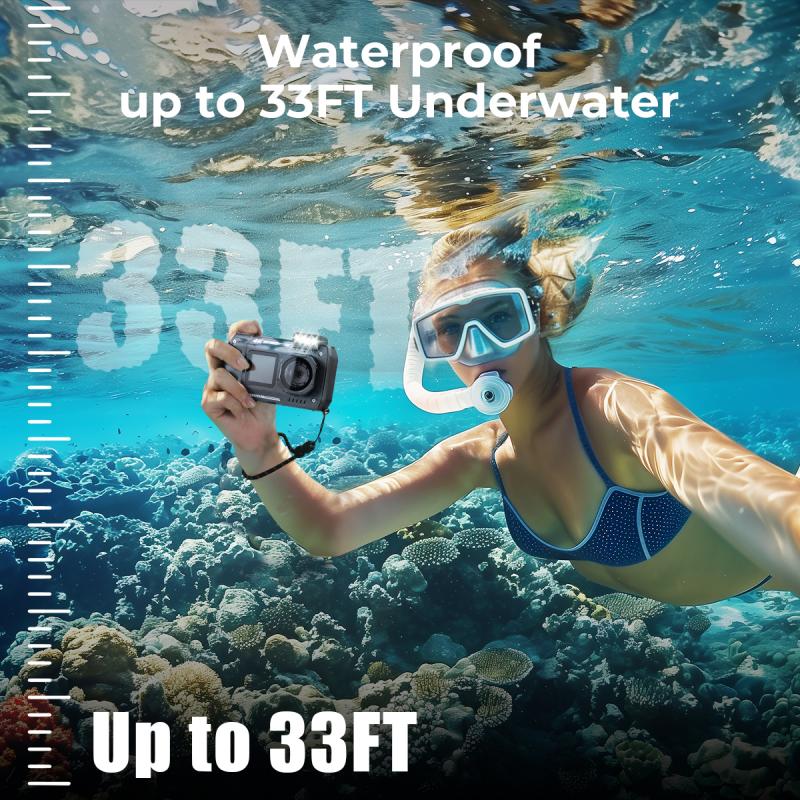
Dive-Ready When It Matters Most: Stop. Setup. Secure.
Arriving at your destination often means one thing—heading out to sea. Resist the urge to slap on your mask and dive bomb into the water like a caffeinated pirate. Proper setup is the key to ensuring that your camera doesn’t fail you mid-operation.
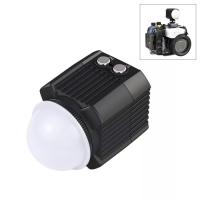
Double-check your O-rings (again!), assemble all accessories (like lights or filters), and securely mount your camera gear. If you’re using strobes or lighting rigs, ensure underwater connections are tight and double-sealed. Take time to familiarize yourself with the dive plan and photography spots—this includes depth, currents, and visibility parameters that could affect your shots.
Pro tip: packing small emergency tools like fine tweezers, extra grease, and even mini screwdrivers can save your dive from becoming a disastrous mechanical delay. Nobody likes fiddling with equipment when dolphins are flipping in the background.
Master the Art of Post-Dive Cleanup
The ocean is salty—literally—and salt is no pleasant friend to electronics. Once your underwater adventure ends for the day, it’s time for gear maintenance. Those who ignore post-dive cleanup either learn expensive lessons or get really good at denial.
Rinse your underwater housing thoroughly with fresh water and dry it before opening. Never open the housing until it’s completely dry; the risk of small salt granules entering the case is real. If it's a snorkel-friendly camera without separate housing, rinse the camera itself—but make sure all protective seals are intact during the rinse.
Avoid leaving your camera out in direct sunlight after clearing it. Instead, keep it covered or under shade to avoid overheating, particularly when working with wide-angle dome ports prone to heat buildup.
Data Management: Don't Leave a Single Byte Behind
When traveling to capture underwater memories, your data (photos and videos) is your digital treasure chest. Always carry multiple memory cards and back them up daily using a laptop or dedicated storage device. Cloud storage is great in principle, but let’s be realistic about remote destinations—upload speeds will often test your patience more than the Wi-Fi café barista.
When backing up, create redundant backups if possible—store one copy locally on your laptop and another copy on a portable external drive. Label your memory cards and drives by date or dive location to avoid the dreaded, “Wait, where’s that shark video?” conversation with yourself.
Finally, Keep Your Cool: Because Nothing Goes 100% Right in the Field
Traveling with an underwater camera often means juggling logistics, tech prep, and environmental challenges. While careful planning solves most headaches, the occasional hiccup is inevitable. Maybe the dive boat breaks down. Or your SD card decides to retire early. When these things happen, don’t rage quit life on the dock—roll with the punches. Flexibility, a sense of humor, and a keen ability to prioritize the experience over perfect shots will reward you with both memories and better results in the long run.
So pack wisely, test systematically, and dive deeply—not just into the water, but into preparation. They say an ounce of prevention is worth a pound of cure, but here it’s more like “a kilogram of prep avoids a tsunami of repairs.” Happy diving! Time to make some waterproof magic.