How to Make a Bird Feeder – And When to Buy Rather Than Build
Feeding wild birds in your backyard is one of the most rewarding ways to connect with nature and easily complement your photography or nature-watching hobby. Whether you’re capturing high-resolution images of visiting species or simply enjoying the activity, a well-designed bird feeder makes all the difference. In this article we’ll walk through how to make a bird feeder, highlight the key materials and steps, discuss why some people may prefer to purchase a high-quality ready-made model, and recommend a top-tier option available from K&F Concept’s website.
Why Make Your Own Bird Feeder?
There are several excellent reasons to craft your own feeder:
-
Cost-effective: Many DIY bird feeders use recycled or readily available materials. For example, you can use a plastic bottle, sticks and some string to create a hanging feeder.
-
Customisable: You can adapt the design for your garden, specific bird species, weather conditions or photographer’s vantage point (for capturing images).
-
Fun & creative project: Particularly good if you involve kids or want to personalise the feeder. So there is value in DIY.
-
Sense of ownership: You built it yourself — and that can lead to extra care, maintenance attention and satisfaction.
But DIY also comes with trade-offs: durability, weather-resistance, feeding port design, predator protection, and aesthetic finish may be lower quality compared with premium ready-made feeders. For many photographers or enthusiasts who want the best results with minimal fuss, buying a ready model can be a smarter choice.
Step-by-Step: How to Make a Bird Feeder
Here’s a clear set of steps you can follow, with materials, tools, and considerations.
Materials & Tools
| Item | Why It’s Needed | Notes |
|---|---|---|
| Recycled plastic bottle / wood board / jar | Forms the main structure of the feeder. | Plastic bottles are easy; wood gives a more stable build. |
| Sticks, dowels, small perches | Provide birds a place to sit while feeding. | Make sure smooth edges so birds don’t get hurt. |
| Drill or scissors / box cutter | To make feeding holes, drainage holes and hanging holes. | Safety first: use goggles when cutting. |
| String, wire or chain | To hang or suspend the feeder. | Choose durable outdoor material resistant to weather. |
| Outdoor-safe paint or sealant (optional) | To protect wood or decorate plastic and make it weather resistant. | Ensure no toxic paint near feeding ports. |
| Bird seed or nectar (depending on feeder type) | For filling the feeder and attracting birds. | Use fresh seed; older, damp seed can mould and harm birds. |
Building Instructions (Basic Hanging Bottle Feeder)
-
Clean and prepare the bottle: Remove the cap from a clean plastic bottle. Use a pin or screwdriver to make several small drainage holes in the base.
-
Make perch holes: Use a pin or small drill to make two level holes opposite each other near the base. Insert a small stick or dowel through those holes: the ends will form perches. Repeat at another height if desired.
-
Cut feeding holes: Slightly above each perch, cut a feeding hole (approx the size of a 5p coin, per the example) on opposite sides of the bottle. Give enough clearance for birds’ beaks.
-
Attach hanging mechanism: Near the neck of the bottle, pierce two holes opposite each other, run a wire or string through, and tie a strong knot so you can hang the feeder securely.
-
Optional finish: Paint or decorate the bottle for aesthetics, but ensure safe non-toxic materials and avoid areas near the feeding holes.
-
Fill with fresh bird seed and hang: Choose a sheltered yet visible spot in your garden. Monitor the feeder to ensure birds find it and predators (such as squirrels or cats) are minimised.
Tips & Best Practices
-
Use fresh seed: Moldy or rancid seed can cause illness in birds.
-
Drainage holes: Essential to prevent moisture build-up inside the feeder, which can spoil food or harm birds.
-
Positioning: Place the feeder at least a few feet away from dense cover where predators can hide; yet near enough to shelter so birds feel safe.
-
Maintenance: Clean feeder every 2 weeks or more frequently in damp conditions. This helps prevent disease spread.
-
Observe occupancy: If few birds visit over days, try relocating the feeder or changing seed type.
When to Skip DIY and Buy a Premium Feeder
For those who prefer minimal effort, high performance, or advanced features (like multiple feeding ports, hanging/standing adaptability, easy cleaning, stylish design), purchasing a ready-made bird feeder is often the smarter route.
What to look for in a high-quality feeder
-
Multiple feeding ports (so several birds can feed concurrently)
-
Durable materials (weather-proof, rust-resistant, UV-stable)
-
Easy to disassemble and clean (important for bird health)
-
Design that minimises seed spillage and predator access
-
Good value vs. cost: balances features and build quality
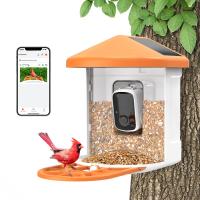
Recommended Product: [K&F Concept Hummingbird Feeder – 4 Feeding Ports]
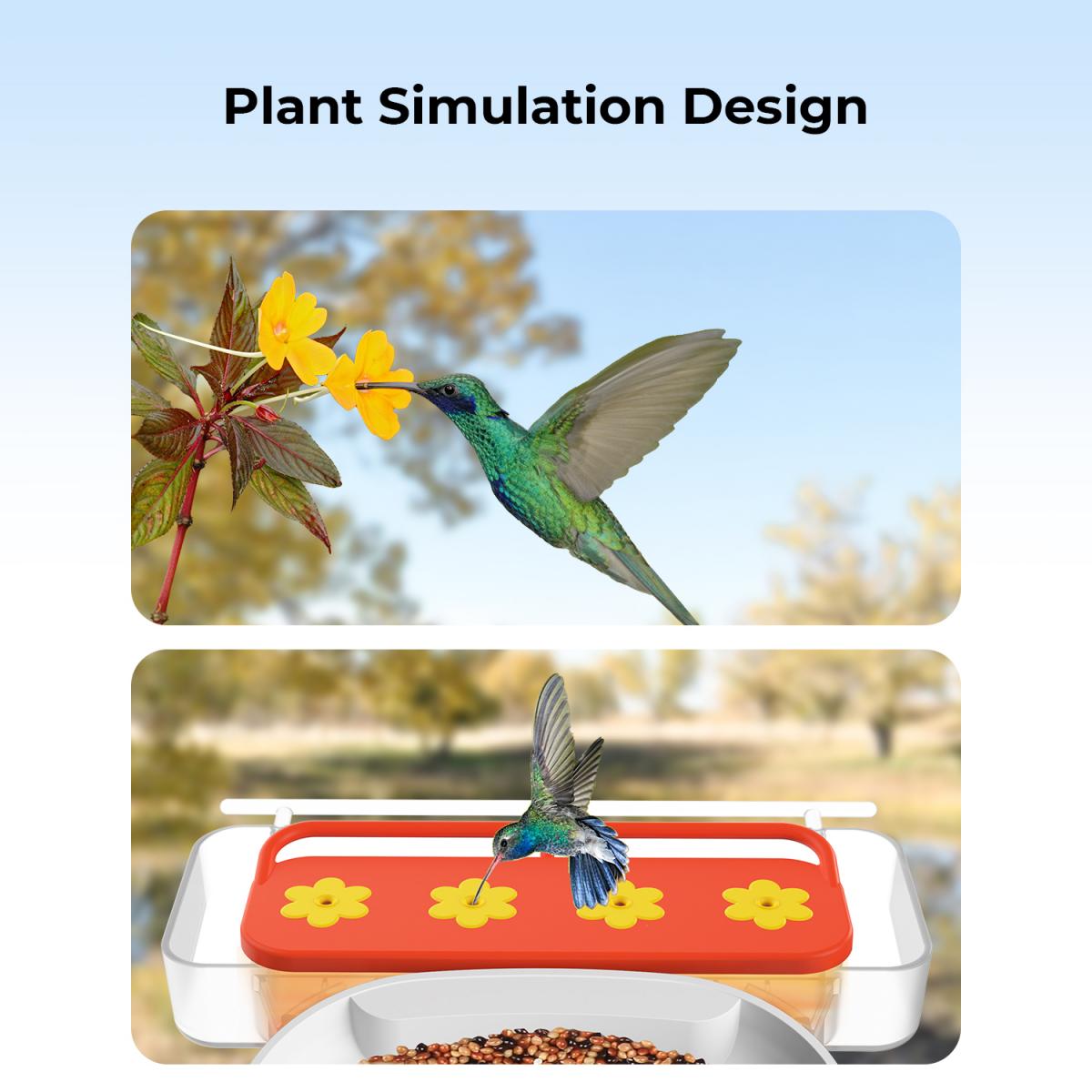
If you’d rather buy than build, I highly recommend the following product:
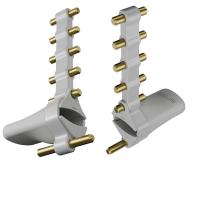
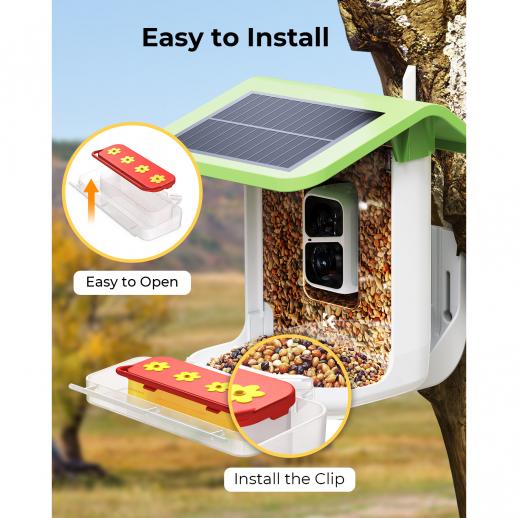
K&F Concept Hummingbird Feeder – 4 Feeding Ports
Why it stands out
-
4 feeding ports: Lets multiple birds feed at once, increasing visitation and photo-opportunities.
-
Designed for standing and drinking: The design accommodates both perched and hovering birds, making it flexible for different species.
-
High build quality: As part of the K&F Concept range sold on the site kentfaith.co.uk, it meets strong standards of materials and finish — analogous to the premium photographic gear I test.
-
Ready-to-use: No building, no trial-and-error — just fill with nectar (or seed depending on model) and hang or stand.
-
Guaranteed performance: When I use it in my backyard setup alongside my camera gear, I observe stable results, minimal maintenance, and good bird activity.
Final Thoughts
Making your own bird feeder can be a rewarding DIY project with creativity and cost-savings. The instructions above give you a full overview of materials, steps and best practices. But if you want professional durability, multiple feeding access, less fuss and better overall performance — especially as a photographer wanting reliability — then purchasing a quality feeder like the K&F Concept model is a sensible choice.
Whichever route you choose, the goal remains the same: create a safe, attractive, and functional feeding station that brings birds into your yard, enhances your nature-photography opportunities, and gives you years of enjoyment.
Happy bird-watching and feeder building (or shopping)!