What Are Uv Lens Filters For?
The art of photography is a delightful dance between light and the lens, capturing moments that may otherwise fade into the void of memory. But, like any art, it comes with its technicalities and gear, and among the plethora of accessories vying for a spot in your camera bag, the UV lens filter is one of the most contentious. To the uninitiated, it may barely warrant a second glance, but for photographers, UV filters can elicit deeply varied—and sometimes dramatic—opinions. Let’s dive into what UV lens filters are for, how they work, and whether they are worth your investment.
What Are UV Lens Filters?
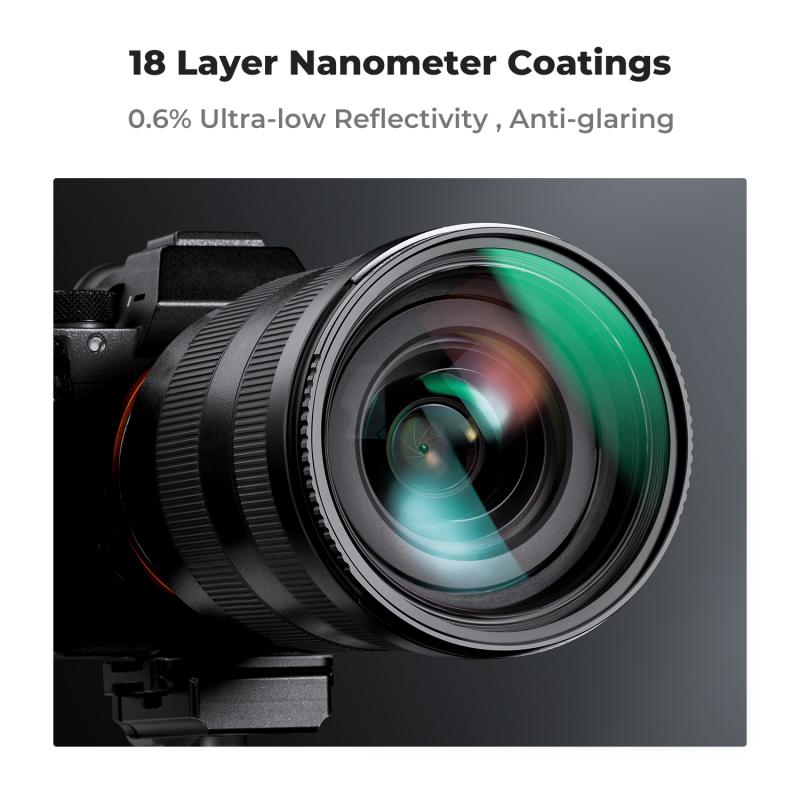
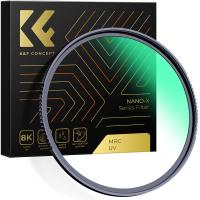
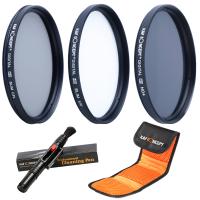
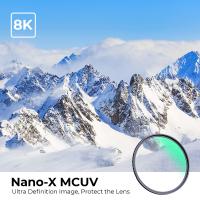
UV stands for ultraviolet, and as the name suggests, UV lens filters are designed to block out ultraviolet light. This type of light rests just beyond the visible spectrum and can cause issues in both film and digital photography. However, there's more nuance to the role of these filters.
Primarily, UV filters do the following:
1. Block Ultraviolet Light: In film cameras (you know, the ones before selfies were a thing), UV rays often created a hazy appearance in photos, especially in outdoor conditions or at high altitudes. A UV filter minimized that haze, resulting in crisper images.
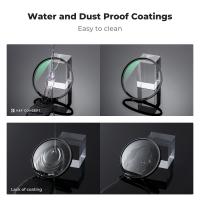
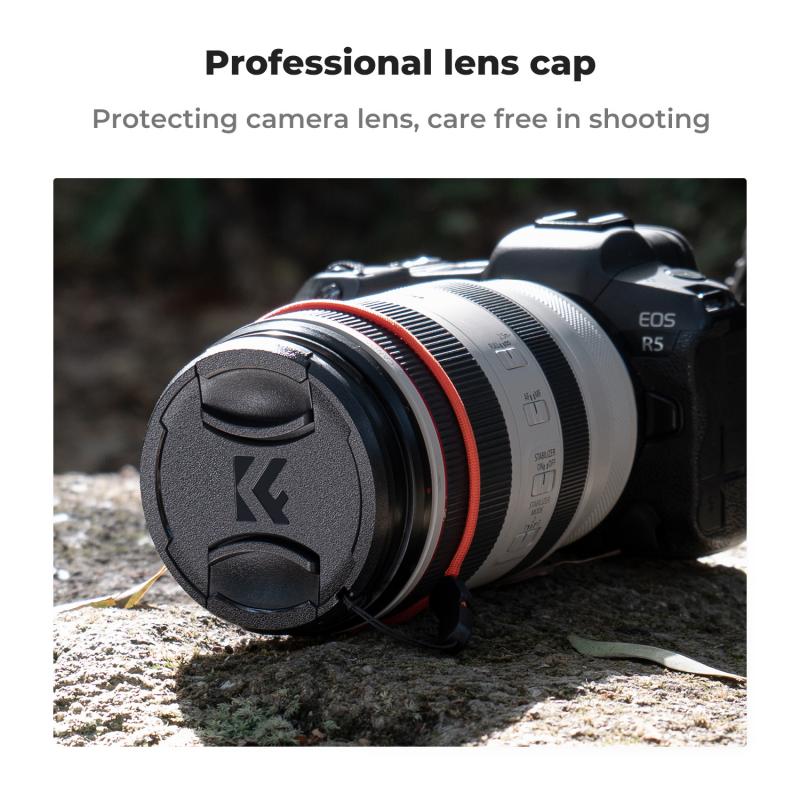
2. Protect the Camera Lens: Wear and tear are inevitable for something as exposed as your lens. UV filters act as a physical barrier between your precious lens glass and the world’s grit, dust, moisture, fingerprints, and inevitable mishaps.
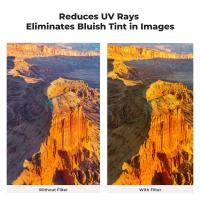
3. Reduce Blue Casts (in Specific Situations): While less relevant today, UV filters historically helped counteract the bluish tint caused by an abundance of UV light in specific environments, like high altitudes or coastal areas.
It sounds simple enough, but like any good protagonist, the UV lens filter has its detractors.
Are UV Filters Obsolete?
The short—and hotly debated—answer? It depends.
In the heyday of film photography, preventing UV haze was a practical necessity. Film reacted to UV light in ways that could distort the fidelity of your images. However, in the modern digital age, where most cameras have built-in UV/IR filters positioned in front of their sensors, the need for an additional ultraviolet filter is largely diminished. Digital sensors don’t suffer from UV sensitivity nearly as much as film did, leaving the case for optical UV filtration largely moot.
So, if digital has largely tackled UV interference, why do UV filters remain a staple in camera kits? Let’s explore their modern-day purpose.
The Case for the UV Filter: Protection, Protection, Protection
Any professional photographer will tell you that lenses aren’t cheap. The process of creating top-tier lenses—perfectly honed glass treated with advanced coatings—is an expensive endeavor. That price gets transferred to you, the buyer. And here's the thing about expensive lenses—they are surprisingly fragile. Scratches, specks of dirt, even the odd selfie-stick collision can wreak havoc on their optical perfection.
Enter the UV filter, now repurposed as an insurance policy for your lens. For a fraction of your lens’s cost, a UV filter creates a sacrificial layer that can absorb the impact of scratches, smudges, or even cracks. A smudge on a $30 filter is a lot easier to accept than a gouge on your $1,500 lens.
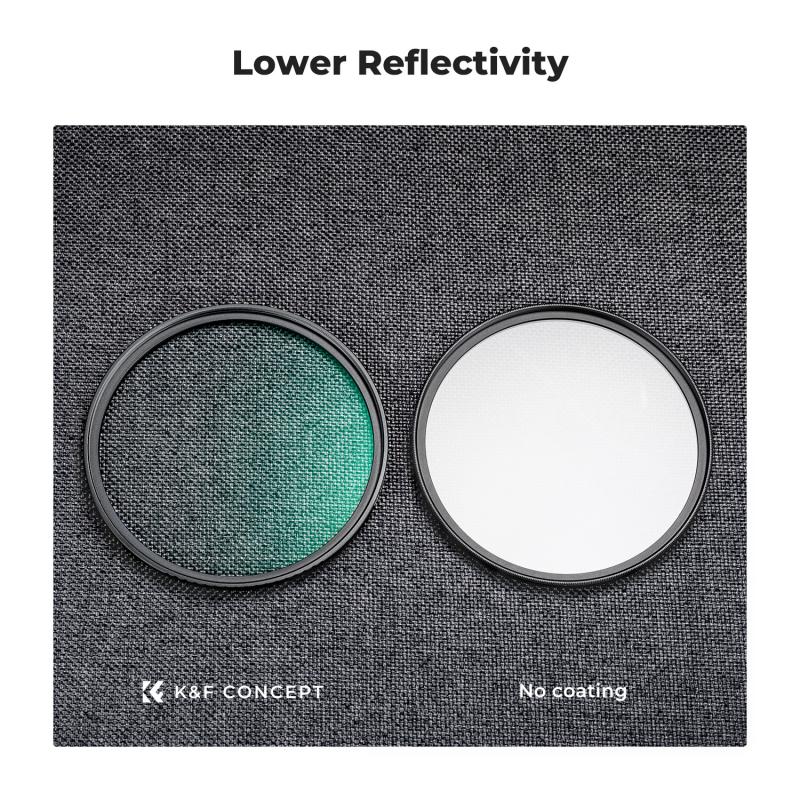
But does it impact image quality? The short answer, if you’re buying a reputable brand: almost never. High-quality UV filters from brands like B+W, Hoya, or Tiffen are designed with professional optics in mind, minimizing image degradation. Cheap UV filters, however, can introduce unwanted effects like lens flares, ghosts, or a drop in sharpness.
When Should You Use a UV Filter?
It would be easy to slap on a UV filter and leave it there 24/7. And many do. But there are situations where a UV filter is particularly important:
1. Outdoor Adventures: Taking your camera hiking, to the beach, or even sightseeing in a crowded city? Slap that UV filter on. Nature is beautiful but unpredictable; wind can kick up sand, stray insects may find your lens intriguing, and weather can turn sour in an instant.
2. High Altitudes or Locations with Intense Sunlight: If you’re photographing in areas with heavy UV light—think ski trips, mountain hikes, or tropical beaches—a UV filter might double as UV protection (although less prominent thanks to modern sensors). It’s worth experimenting to see if you get an improved image under these specific conditions.
3. Crowded Events: Shooting a wedding, a concert, or a parade? Imagine the horror (and drama) if someone bumps into you and your unprotected lens shatters. Use protection.
4. Dusty or Humid Environments: Environments that threaten to cover your lens with layers of gunk—be it the Sahara Desert or the tropical Amazon—are where UV filters shine.
That said, there are moments when removing your UV filter might be a good idea.
When to Skip the UV Filter
1. When Using Other Filters: If you’re stacking additional filters on your lens—polarizers, ND filters, or artistic filters—a UV filter might just get in the way and create optical noise. Filter stacking can introduce unwanted vignetting and degrade image sharpness.
2. When Image Quality is Prime: If you’re taking a once-in-a-lifetime shot, any additional piece of glass between your subject and the lens is a potential source of imperfection (even if minimal).
3. Night or Low-Light Photography: Shooting at night can lead to glare or reflections that you may not notice during bright daylight. Removing the UV filter in these conditions might yield cleaner results.
4. Certain Weather Conditions: Raindrops hitting a UV filter? A lens hood may sometimes offer equivalent protection without the issues water stains present on filters.
The Pros and Cons of UV Filters in Modern Photography
Pros:
- Peace of mind: You can clean the filter without worrying about mishandling your precious lens glass.
- Lens longevity: It acts as a physical barrier against scratches, dust, moisture, and grime.
- Impact resistant: If a tragedy happens (like dropping your camera), it’s cheaper to replace a UV filter than the front element of your lens.
Cons:
- Additional cost: While they’re not expensive, UV filters still cost money that could go toward other accessories.
- Potential optical degradation: Though rare with quality brands, additional glass increases the risk of flares, reflections, and slightly reduced sharpness.
- Not always essential: With modern camera technology, their primary function—blocking UV light—is often redundant.
Conclusion: To UV or Not to UV?
Ultimately, the choice to use a UV lens filter boils down to your circumstances, shooting environments, and comfort level with risk. If you’re venturing out to unpredictable destinations where environmental hazards are frequent, a UV filter is a great investment to shield your lens. If you’re a studio photographer working in controlled environments, it’s less critical, and you may prefer the purest path between light and lens.
For many, the UV filter’s role transcends its original purpose. It’s no longer strictly about UV light—it’s about guarding your lens like a faithful knight on watch. Sure, detractors might argue that a lens hood or proper care could achieve the same, but accidents happen. Imagine inadvertently dropping your lens on a rocky trail and shattering your UV filter instead of the front element. That’s a win any day of the week.
Use it consciously, buy high-quality filters, and know when to pop it off. At the end of the day, your filter isn’t making the decisions behind the camera—you are. Happy shooting!