What Depth Do Metal Detectors Work To?
Metal detectors are incredible instruments that have revolutionized industries ranging from archaeology to airport security—and even sparked hobbies worldwide. Whether you’re an enthusiast eager to uncover long-lost treasures or a professional tasked with locating an elusive underground pipe, understanding how deep metal detectors work is fundamental to achieving success. Let’s crack into the science behind these fascinating devices while sharing some practical insights to level up your detecting journey.
First Principles: How Metal Detectors Work
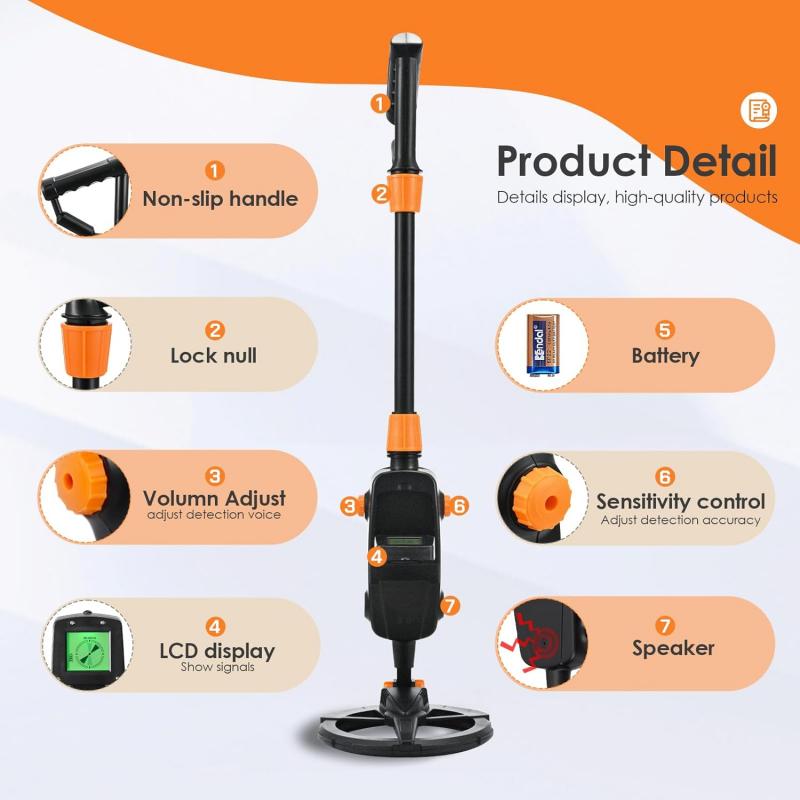
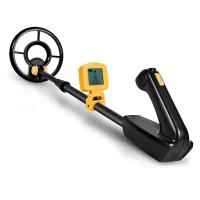
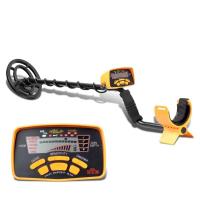
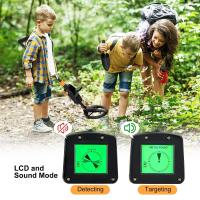
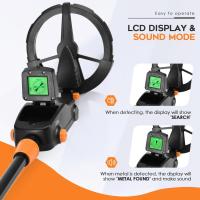
Before diving into depths, it’s worth unpacking how metal detectors actually operate. At their core, these devices use electromagnetic fields to interact with metallic objects. When you swing a detector over soil, its transmitter coil generates a magnetic field, which penetrates the ground. If the field encounters metallic material, it induces an opposing magnetic field in the object's structure. The detector’s receiver coil then detects this interaction, triggering an alert that a target is present below.
Not every detector is created equal; their design, signal strength, and frequency play massive roles in determining how deep they can penetrate. The key takeaway? A metal detector's depth capability isn’t just about hardware—it’s a dance between physics and engineering.
General Depth Capabilities
If you’ve ever seen advertising for metal detectors claiming they can sense objects multiple feet deep, take it with a grain of salt. Depth performance is highly variable and depends on multiple factors. For instance:
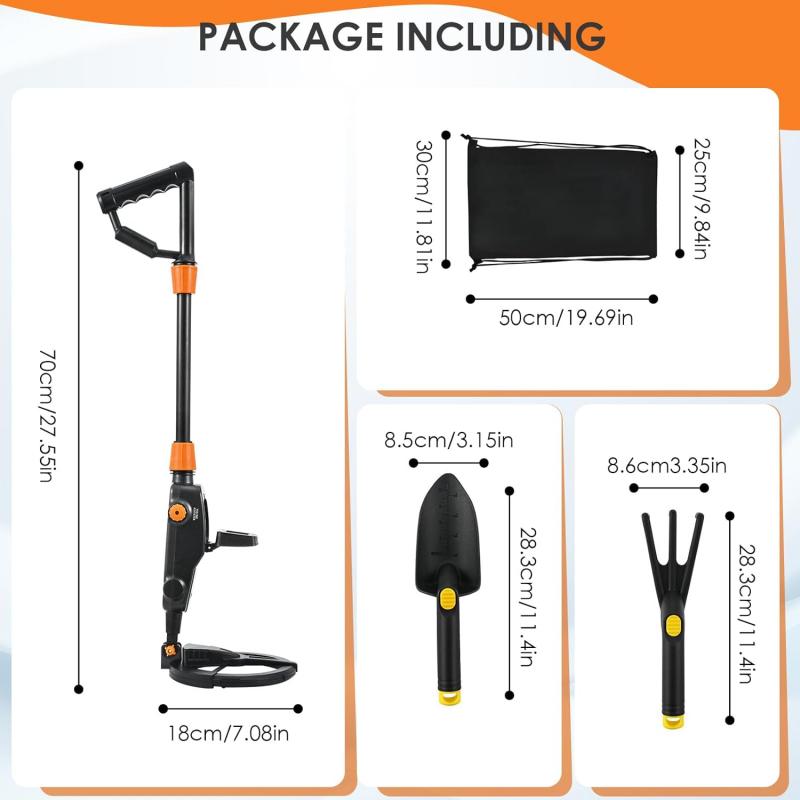
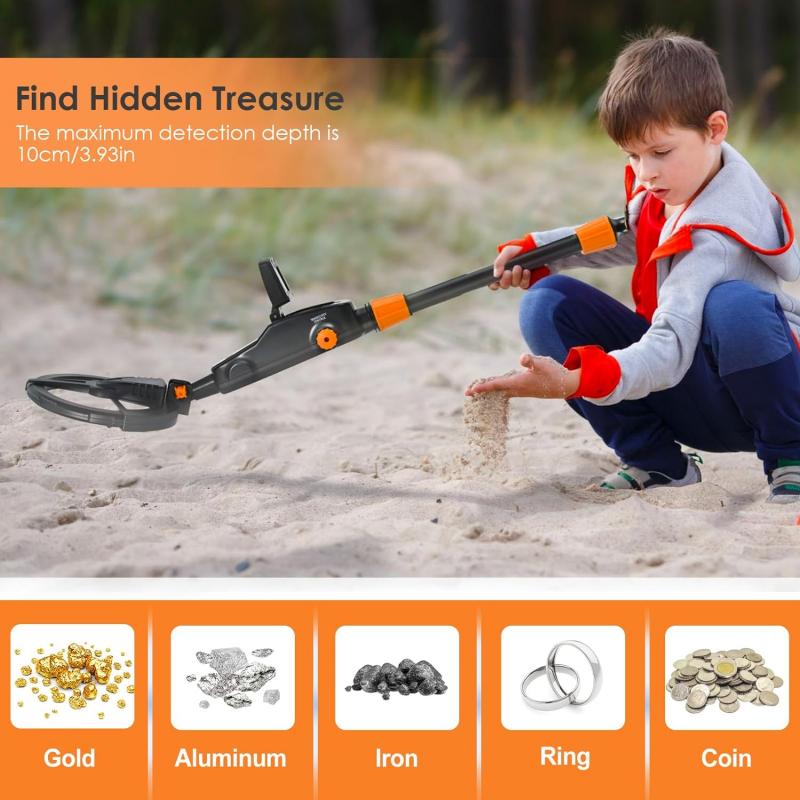
Entry-Level Hobby Detectors: Typically capable of detecting objects up to 6-8 inches (15-20 cm) deep in ideal conditions. Coins, small relics, and jewelry are their bread and butter.
Mid-Range Detectors: These devices boast improvements in coil size and technology, allowing you to locate items 10-12 inches (25-30 cm) below the surface.
Professional Detectors: The crème de la crème can detect objects as deep as 18-24 inches (45-60 cm) or even greater—depending on what you're looking for. Pros often use advanced multi-frequency or pulse induction systems for maximum depth.
But that’s just scraping the surface of the complexity (pun intended). Additional variables can expand or shrink these ranges dramatically, so let’s unpack them.
Factors That Dictate Detection Depth
The depth at which your trusty detector works isn’t a fixed number; it’s more of a sliding scale based on numerous intertwined factors.
1. Size and Composition of the Object
The larger the piece of metal, the easier it is to detect at greater depths. A gold coin or silver bracelet typically sits closer to the surface due to their small mass. On the other hand, ferrous items like iron pipes or large caches buried underground reflect magnetic fields more robustly—and can be detected farther down.
2. Type of Metal
Not all metals play well with electromagnetic fields. Conductive items—like gold, copper, and silver—generate stronger responses than iron or steel. In some instances, alloys and impurities even throw detectors off their game, causing minor inconsistencies or reduced range.
3. Ground Conditions
The ground itself is often your first adversary. Here’s why:
Mineralization: Many soils contain minerals like iron oxide, which interfere with a detector's field and reduce sensitivity. Highly mineralized ground demands specialized detection modes and settings to compensate effectively.
Moisture Content: Wet soil can enhance conductivity for shallow objects but scatter deeper signals, creating a mixed bag of results.
Density: Loose, sandy terrain will yield better penetration compared to packed clay or rocky ground.
4. Type of Detection Technology
Different detectors approach the task of metal hunting with varying levels of sophistication. Here’s a quick breakdown:
Very Low Frequency (VLF): The most widespread type in the hobbyist market. These offer solid accuracy but struggle against mineralized soil or larger depths.
Pulse Induction (PI): Geared toward detecting metals in challenging environments, PI systems excel at reaching greater depths, such as for beach-hunting or searching underwater.
Multi-Frequency: The Swiss-army knife of metal detection. These devices leverage multiple frequencies simultaneously, balancing depth potential against discrimination capabilities.
5. Search Coil Design
A detector’s search coil is essentially its gateway to the ground. Larger coils can reach deeper layers but sacrifice precision for small targets. In contrast, small coils are better suited to targeting coins or jewelry within limited areas.
Special Use Cases: Pushing the Depth Boundaries
If your ultimate goal involves locating objects buried deeper than 2 feet, be prepared to enter the realm of professional-grade solutions like two-box metal detectors or ground-penetrating radar (GPR). These tools are often used in construction or archaeology and can transcend hobby-grade detectors by leaps and bounds.
Two-box systems are a favorite for finding items like buried treasure chests (yes, those do exist) or lost relics. While such systems lack sensitivity to smaller objects, they excel at identifying large deposits several meters below the surface. On the other hand, GPR uses electromagnetic waves to create subsurface images—great for mapping out larger areas or locating anomalies in the soil.
Addressing Over-Hyped Claims
If an advertisement boasts sensational capabilities like detecting objects “up to 10 feet deep,” don’t rush to buy without proper scrutiny. Marketing often plays fast and loose with product performance under “perfect conditions” that rarely reflect field usage. For most detectors, depths of 4-5 feet within normal soil conditions are considered extraordinary and often require professional equipment.
Instead of being swayed by flashy claims, focus on your actual needs. Will you hunt for coins near the park? Jewelry at the beach? Or survey a construction site for pipelines? Identifying goals will guide both device selection and optimization.
Pro Tips to Enhance Detection Depth
While no detector can defy physics, there are ways to squeeze more depth out of your equipment:
1. Optimize Your Settings: Tinker with ground balance, sensitivity, and discrimination features to match soil conditions.
2. Invest in Better Coils: Upgrading to larger coils can extend depth potential, although at the cost of precision targeting.
3. Practice and Technique: The more skilled you become in handling your equipment, the better your outcomes. Swing slowly. Keep the coil parallel to the ground.
4. Choose Your Spot Carefully: Soil composition matters. Avoid saline beach environments if you’re using high-frequency VLF detectors—and embrace them if you wield pulse induction!
Final Thoughts
So, "how deep do metal detectors work?" The answer is far from cut-and-dry. Depth depends on your equipment, method, and environment with hobby-grade models averaging inches to around a foot, while professional detectors push limits to several feet or meters. Yet no matter how deep you're going, your success ultimately depends on preparation, patience, and perseverance.
In the great underground hunt, there’s something inherently exhilarating about hearing that first beep as a detector sweeps over earth. Whether it’s a Roman coin, a rusty nail, or merely a bottle cap, every find carries the thrill of discovery—the allure of unearthing what’s hidden and forgotten.
So go on, grab that detector, gear up, and start digging. There’s always something waiting just beneath the surface, ready to rewrite the story you thought you knew.
![Carbon Monoxide Detectors Portable Temperature Detector/Humidity Sensor/Air Quality Meter Smoke CO Gas Monitor [3 in 1] Alarm](https://img.kentfaith.de/cache/catalog/products/de/GW40.0007/GW40.0007-1-200x200.jpg "Carbon Monoxide Detectors Portable Temperature Detector/Humidity Sensor/Air Quality Meter Smoke CO Gas Monitor [3 in 1] Alarm")