What Is Blue Light Filter Protection In Glasses?
The relentless lure of screens—it’s a near-universal reality. Whether you're staring down a spreadsheet at work, doomscrolling on your phone, or binge-watching your favorite series, screen time is the new norm. But under those alluring digital surfaces lurks something invisible yet pervasive: blue light. You might have heard of it and its supposed negative effects on your eyes. You’ve probably also heard about blue light filtering glasses, heralded as the knight in shining armor for weary screen warriors. But what exactly is this so-called "blue light filter protection," and do you really need it? Let's dive deep into the tech, the science, and, of course, the intrigue behind these fashionable (or functional) optical shields.
Blue Light: The Basics
Before we dissect the filter that blocks it, let’s unravel what blue light really is. Blue light is part of the visible light spectrum that falls between 400 to 500 nanometers in wavelength. Within this range, it has one standout trait: it’s high-energy and short-wavelength. That’s the same family as ultraviolet (UV) light, but blue light is the more sociable cousin—you know, the one always hanging out with LED bulbs, laptop displays, and smartphone screens.
Not all blue light is villainous, though. The majority of natural blue light comes from the sun, and it's actually helpful during the day. It boosts alertness, improves cognitive function, and even regulates your circadian rhythm. That natural dose of blue light, combined with daylight, is your body saying, "Hey, it’s time to be awake!"
But enter the world of 24/7 screen exposure, sedentary desk jobs, and late-night Netflix marathons, and you’ve got yourself a recipe for overexposure. Most modern screens emit blue light at wavelengths and intensities high enough to potentially disrupt those same beneficial rhythms.
Why All the Hype Around Blue Light Filtering?
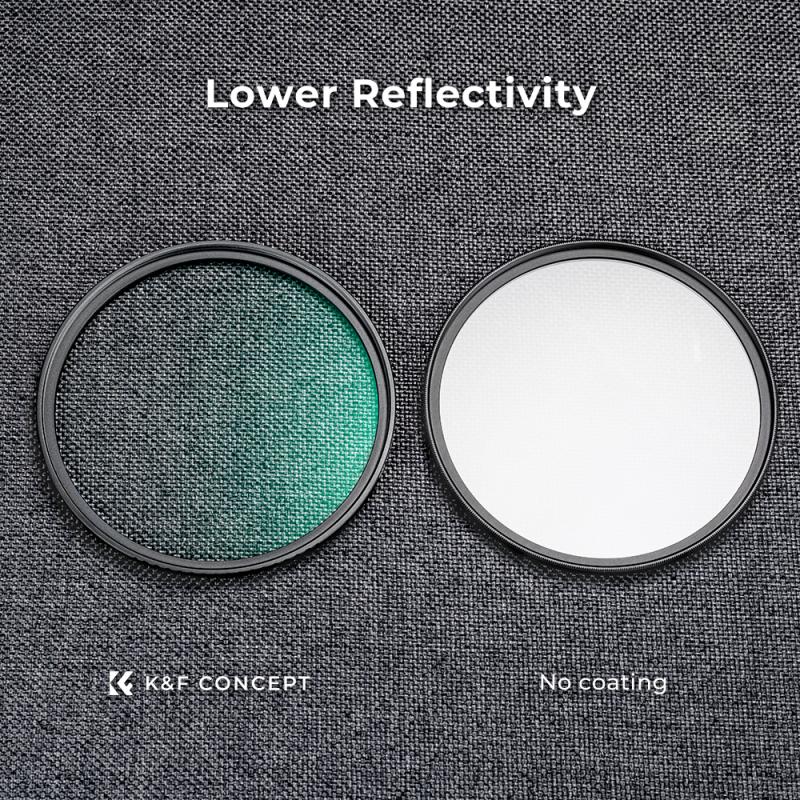
So, where do blue light filtering glasses step into this saga? Contrary to popular belief, blue light glasses aren’t some science fiction eyewear that creates an impenetrable laser shield. No, it's more subtle—and smarter—than that. These glasses are engineered with special coatings or layers that absorb or reflect a portion of blue light before it enters your eyes. Think of them as the bouncer at a nightclub who’s been tasked with controlling the unruly blue light from barging in and disturbing the peace.
Here’s where people usually start to ask, “Do I really need this magical bouncer?” Well, let’s break it down into tangible concerns:
1. Eye Strain (A.K.A. Digital Eye Fatigue): Spending long hours in front of a screen often results in dry, irritated eyes, blurred vision, and that gnawing headache. While blue light isn’t the sole culprit—factors like screen glare and reduced blink rates also play a major role—blue light filtering glasses might help mitigate one piece of this complex puzzle. They aim to reduce the impact of high-energy visible light, possibly easing some of the discomfort.
2. Sleep Disruption: This is arguably the most legitimate issue. Blue light exposure in the evening can delay the release of melatonin, the hormone that signals your body to wind down for sleep. If you’re checking Instagram at 11 PM before bed, your body might still think it’s 3 PM in the afternoon. Blue light filter glasses designed for nighttime use can help limit this disruption, supporting a more natural sleep cycle.
3. Potential Eye Health Concerns: While digital eye strain is temporary, there have been speculative claims about long-term retinal damage from prolonged blue light exposure. To date, however, the scientific jury is still deliberating on this one. Blue light filtering glasses could, in theory, reduce the risk—but it’s not a guaranteed insurance policy.
4. Enhanced Contrast and Comfort: Many blue light glasses incorporate a slight tint—typically yellowish or amber-colored—that enhances screen contrast. This can result in a crisper, less visually taxing viewing experience, especially during marathon work sessions.
How Does the Technology Work?
The science behind blue light filtering doesn't involve wizardry, but it's still fascinating enough to get a nod of approval from tech enthusiasts. Here’s how it works:
Reflective Filters: Some glasses use coatings that reflect blue light away from the lens. Think of it like a mirror—what comes in bounces back out.
Absorptive Lenses: Another technique involves the lens itself containing chemicals that absorb blue light wavelengths while letting other light pass through. It's kind of like giving blue light a one-way ticket to absorption land.
Spectral Tuning: High-end options involve precise tuning of the lens material to selectively block harmful blue light bands while preserving the beneficial ones. It's a more surgical approach, ensuring neither performance nor natural vision is severely compromised.

These methods can be applied to prescription glasses, non-prescription glasses, or even clip-ons for those already committed to their eyewear loyalty program.
The Caveats: What Blue Light Glasses Won’t Do
Before you run to the nearest optical store or start clicking ‘Add to Cart’ on a pair of blue light filter specs, it’s worth tempering expectations. Blue light glasses are not the universal cure-all for digital fatigue. While they can play a supportive role, they’re not a license to spend endless hours glued to a screen without repercussions.
Reducing digital eye strain involves a multi-part strategy. Experts recommend adopting the "20-20-20 rule" (every 20 minutes, take a 20-second break to look at something at least 20 feet away) and maintaining proper screen ergonomics. Consider adjusting the brightness, contrast, and color temperature on your devices. Warm light settings, especially in the evenings, can also reduce blue light exposure from the source.
Additionally, if you’re worried about sleep, you’re better off combining blue light glasses with the ultimate tool of human self-discipline: simply turning off your phone an hour before bedtime.
The Fashion and Trend Factor
Let’s not ignore the elephant in the room—blue light glasses are also a fashion statement. They’re stylish, accessible, and often look indistinguishable from regular glasses. Plenty of trendy brands are jumping on the bandwagon, so you can protect your eyes and flex your fashion sense simultaneously. But be cautious about products that sound too good to be true. Your $5 pair of "blue light blockers" from the bargain bin probably isn’t helping much beyond aesthetics.
Do You Need Blue Light Glasses? A Practical Perspective
The decision to adopt blue light glasses boils down to one question: How concerned are you about screen usage impacting your health and productivity? If your day consists of long hours in front of multiple devices, or if you’ve noticed sleep struggles from late-night screen habits, you might find these glasses a worthy investment.
But let’s not forget an underlying and often-ignored truth: what many of us need more than blue light glasses might just be better time management. Our gadgets were designed to serve us, not enslave us. If you find yourself unable to pry your gaze away, then perhaps the lesson isn’t about light-blocking; it’s about life-balancing.
So, whether you're here to geek out on optics, hunt for ways to combat fatigue, or simply find an accessory that screams, “Look at me—I’m both productive and trendy,” you’ve got your answer. Blue light filtering glasses? They’re the co-pilots of the digital age. But remember, even the best co-pilot can’t replace the wisdom of a good night's sleep and the occasional real-world escape from your pixelated playground.