What Size Binoculars For Hunting?
Choosing the right size of binoculars for hunting is not just about picking the pair that looks coolest hanging around your neck. It’s about balancing magnification power, clarity, and comfort—even when you're hours deep into tracking game. Binoculars are the tool that turns your keen interest in the distant horizon into crystal-clear reality. However, the wrong pair could easily turn a well-planned hunt into a frustrating marathon. So buckle up, because we're taking a deep dive into binocular specifications, numbers, and features that actually impact your success in the field.
Magnification and Objective Lens: The Crucial Duo
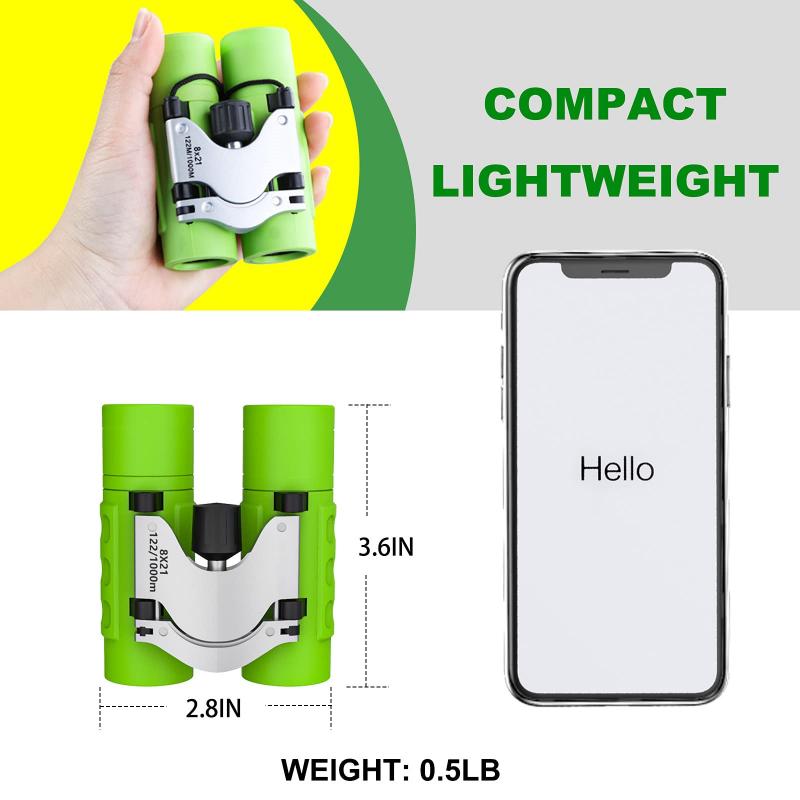
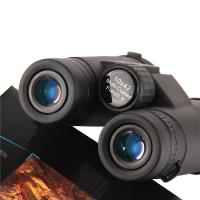
When talking about binoculars, you’ll always see descriptors like "10x42" or "8x32." These numbers are not random marketing lingo—they tell you what the binoculars can do. The first number, the magnification power, is how many times closer an object will appear compared to your naked eye. The second number, the size of the objective lens in millimeters, indicates the diameter of the larger lens in front, which determines how much light the binoculars can gather.
Magnification: Don’t Go Overboard
It might seem logical to go for the highest magnification like "12x" or even "16x." After all, who wouldn’t want to see every little detail of an elusive buck’s rack from 800 yards away? But here’s the catch: higher magnification also amplifies the wiggle in your hands and narrows your field of view. This isn’t ideal, especially when scanning a large area to spot movement or track animals on the move.
For hunting, a magnification of 8x or 10x is ideal. An 8x is better in wooded environments or when tracking animals over shorter distances because it offers a wider field of view and steadier visuals. A 10x, on the other hand, serves those hunting in open plains or mountainous terrain, giving you greater reach without compromising too much stability. But steer cautiously—above 10x, the balance of practicality tilts against you unless you’re mounting these on a tripod.
Objective Lens: The Light Saber
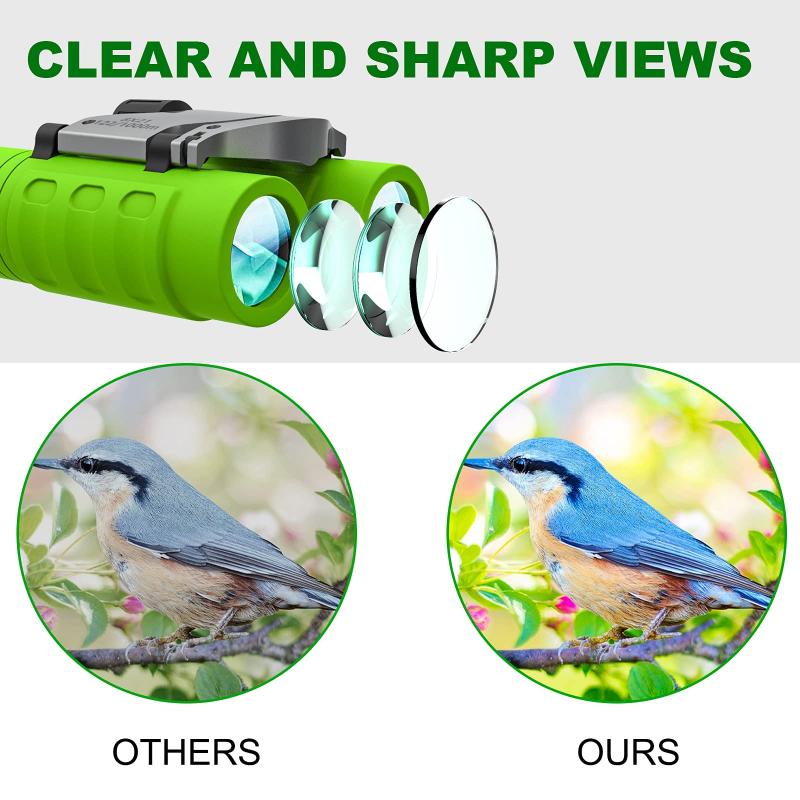
The second number, the diameter of the objective lens, dictates how bright your view will be. Think of it like your pupil dilating to let in light during twilight. Larger objective lenses gather more light, making a scene visible even in darker conditions like early morning or evening hunts—the golden hours for wildlife activity.
However, larger objective lenses come with one nasty side effect: heavier binoculars. Nobody enjoys lugging around something that feels like an overzealous dumbbell strapped to their neck. For hunting, most experts recommend a lens size of 32mm to 42mm. Sizes like 8x32, 10x42, or even 8x42 balance portability with bright optics. Models with larger lenses (like 10x50) are fine but tend to be cumbersome unless absolutely necessary for your hunt.
Field of View Matters
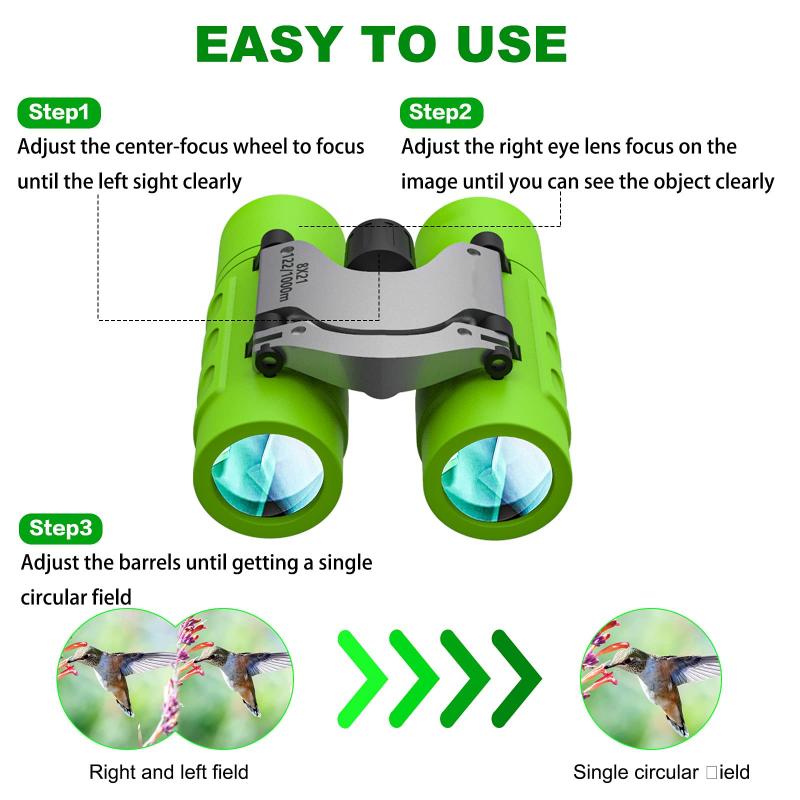
Field of view (FOV) refers to the width of the area visible through your binoculars at a given distance—measured in feet at 1,000 yards. A wider FOV helps you quickly locate moving animals like deer or elk without excessive "searching" through your optics. For context, an 8x binocular will typically offer a wider FOV than a 10x of the same lens size. If your location consists of fast-moving game in dense forests, a wider field of view is invaluable.
Exit Pupil: Science Meets Comfort
Here’s a physics lesson you didn’t know you needed. The exit pupil is calculated by dividing the size of the objective lens by the magnification. For example, a 10x42 set of binoculars provides an exit pupil of 4.2mm. This number is tied to how comfortable your viewing experience will be, especially in dim lighting. A larger exit pupil allows more light to reach your eyes, creating brighter visuals. Hunters should aim for binoculars with exit pupils above 4mm for optimal low-light performance.
Glass vs. Gas: Optics Will Make or Break It
High-quality optics can be the unsung heroes or silent killers of your hunting experience. Look for binoculars with fully multi-coated lenses to minimize glare, sharpen images, and enhance brightness. Additionally, binoculars filled with inert gases like nitrogen or argon prevent fogging, so when the temperature suddenly drops during your hunt, your vision doesn’t cloud over.
And don’t skimp on the prism system. Binoculars with roof prisms tend to be compact and durable, unlike the bulky Porro-prism designs. Since you’ll likely be dealing with rain and rugged conditions, waterproofing and scratch-resistant lenses are non-negotiables. Add rugged rubber armor to that mix for both grip and durability.
Size and Weight: Cutting Down Strain
It’s not just the numbers game; you need to think about ergonomics. Do you want a pair of binoculars that feel like an awkward bowling ball while on a two-day hike or something you can whip out and wield without second-guessing? Binoculars with sizes in the 8x32 to 10x42 range tend to hit the sweet spot for portability and performance. Anything above 10x50 might leave you regretting life choices as it begins to dominate your pack weight. Unless birdwatching is your game, skip anything too bulky.
Diopter Adjustment and Eye Relief
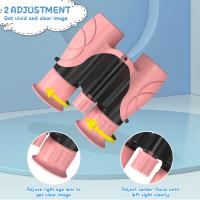
One overlooked feature is diopter adjustment. It fine-tunes the focus for your specific eyesight, which is crucial if you wear glasses or have slightly unequal eye strength. Pair this with a generous eye relief (15mm or more is ideal) to avoid unnecessary strain during long sessions.
Recommendations: Finding Your Perfect Match
If you’re wondering what brands or models stand out, here are some tried-and-true recommendations:
8x42 Binoculars: Perfect for versatility, balance, and maximum light-gathering capability. Great for most hunting environments.
10x42 Binoculars: Ideal for situations that demand extra zoom, such as spotting elk across an open field.
Compact Binoculars (8x32): The lightweight champion for mobility, suitable for casual trips or backup gear.
Brands like Vortex, Leica, Zeiss, or Nikon are reliable names offering quality optics across various price ranges. If you’re pinching pennies, models like Vortex Diamondback HD or Nikon Prostaff 3S deliver excellent performance for their price tags. But if gear-porn is your thing, go all out with Zeiss Conquest HD or Swarovski ELs—your eyes will thank you during challenging hunts.
Final Verdict: Choose Smarter, Not Bigger
Ultimately, the best binoculars for hunting are those that complement your hunting style, terrain, and physical endurance. Don’t let marketing jargon or oversized optics tempt you into purchasing something that complicates your experience in the field. Whether you’re chasing big game in the Rockies or carefully tracking deer in dense woodlands, finding the right size and specification is key to spotting the trophy of your dreams—and not the headaches in your wallet or shoulder.
So go ahead, choose wisely. When the right pair of binoculars helps you spot that prize-worthy buck from over a hill at dusk, you’ll earn more bragging rights than merely surviving another day in hunting gear purgatory.