Can Cctv Cameras Record Audio?
If you've ever asked yourself whether CCTV cameras can record audio, you're not alone. It’s a question that pops up for many people, whether for personal property monitoring, office security, or industrial use. Let’s peel back the layers of mystery surrounding this topic and dive into the mechanics, legal aspects, and technological implications of CCTV cameras and their capabilities concerning capturing sound.
The Technology Behind the Scenes
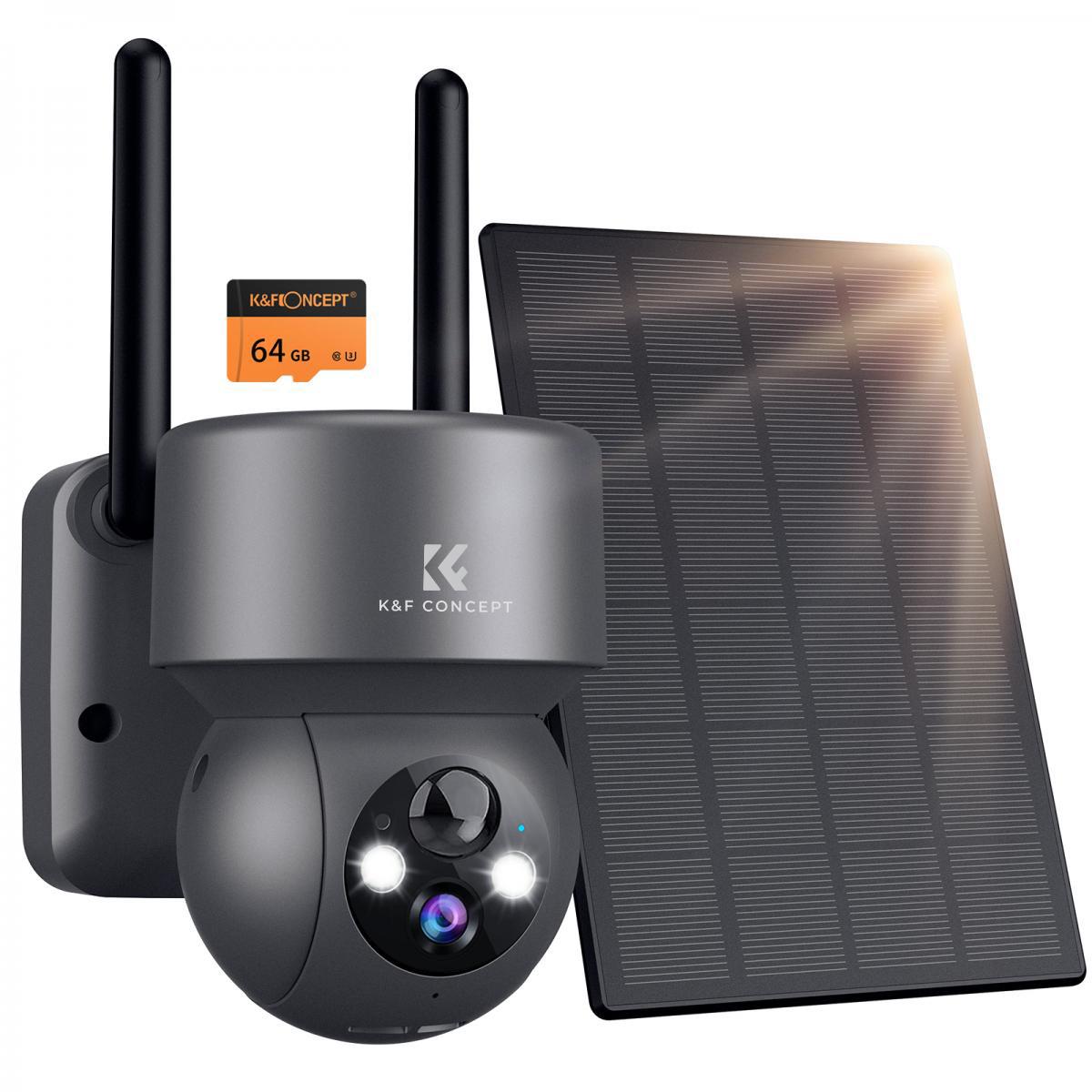
At its core, most CCTV systems are essentially video surveillance devices designed to capture and record visual data. However, modern camera systems have evolved significantly. They are no longer limited to video; many surveillance setups now feature audio recording capabilities alongside video footage, as manufacturers increasingly integrate microphones into their cameras.
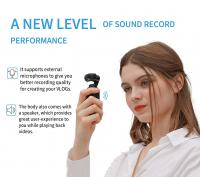
In many cameras, the microphone is either embedded directly in the device with the lens or connected externally to a DVR (Digital Video Recorder) or NVR (Network Video Recorder). These microphones are typically omnidirectional and designed to capture general audio within a certain radius. While omnidirectional microphones are convenient, they tend to record all ambient noise, so if you're focused on quality sound tracking, external directional microphones can be a better investment.
Let’s also address the range of audio capture. The majority of CCTV microphones do not offer high-fidelity sound recording because their main purpose is to complement video feeds for security reasons. You’re unlikely to get studio-quality audio, especially from cameras mounted several feet above ground or in noisy environments like warehouses. But for basic purposes—like detecting voices, alarms, or sudden disturbances—the audio capability is adequate.
The Legality: Red Flags and Green Lights
Before you start installing audio-enabled CCTV cameras around your property or workspace, it’s essential to understand that not all recording practices are legal. Privacy implications often outweigh the technological feasibility and utility of audio surveillance. Across different regions, laws governing the use of audio recording in CCTV systems can vary substantially, and these regulations are rooted in consent and reasonable expectation of privacy.
In the U.S., for example, federal wiretapping laws require “one-party consent” to audio recording. This means at least one of the individuals in a recorded conversation must be aware and consent to the recording. However, some states, like California, Florida, and Massachusetts, require "all-party consent." Violate these laws, and you could be facing serious legal action.
This consent principle is increasingly seen internationally. In the UK, for instance, the Information Commissioner’s Office (ICO) regulates CCTV usage. Recording audio can generally only occur in specific scenarios, such as when it’s absolutely necessary for the primary security purpose. Unauthorized audio surveillance in public spaces is likely to fall afoul of GDPR (General Data Protection Regulation) principles.
In private spaces like homes, the legal and ethical lines may blur. You can technically record audio in your own home, but if your camera’s microphone picks up conversations or activities from neighbors or passersby, you’re stepping into murky territory. It’s best to notify anyone entering your property about active audio surveillance systems, just to stay on the right side of the law and human decency.
Practical Use Cases: Is Audio Really Necessary?
Security cameras that capture audio can provide undeniable utility. Imagine running a small retail store where incidents such as theft occasionally occur. Video provides important visual data during such events, but layering audio recordings on top of it can make the story clearer. You can monitor employee exchanges with customers to ensure professionalism or gather evidence to corroborate visual footage during disputes.
Another common use case is in parking lots or garages. Cameras with audio capabilities are increasingly deployed in these areas to detect aggressive interactions or verbal disputes or to monitor a suspicious individual asking vulnerable questions. Having recorded sound adds dimension, context, and practical evidence to typical video recordings.
In more niche cases, like monitoring industrial equipment, the ability to hear unusual noises—like hissing gas or mechanical grinding—can alert personnel to maintenance issues or safety risks in real-time. It’s less about capturing voices and more about providing richer insights into unseen dangers.
That said, the justification for audio-capable CCTV cameras really depends on the environment and your objectives. If you simply want visual deterrence and coverage, a standard video-only camera should suffice. Adding audio capabilities dramatically increases your surveillance arsenal, but it does come with costs, potential ethical concerns, and maintenance considerations.
Technical Tips for Getting the Most Out of Audio Features
If you do plan to use CCTV cameras that record audio, you’ll want to ensure your systems are set up properly. Here are several practical tips to keep in mind:
1. Positioning is Critical
The proximity of the microphone to its target significantly affects recording clarity. Mount cameras in areas that balance both surveillance coverage and audio range. If the microphone is too far from human activity or too close to noisy machinery, you’ll have disappointing results.
2. Adjust Sensitivity
Many CCTV systems allow users to fine-tune microphone sensitivity through software. Lower sensitivity reduces background noise and improves audio quality for targeted conversations or sounds.
3. Understand and Manage Storage
Recording audio alongside video significantly increases storage requirements. High-quality microphones coupled with high-res cameras can quickly occupy large chunks of hard-drive space. Opt for intelligent compression systems or consider cloud-storage integrations.
4. Prioritize Security
Audio data presents additional points of vulnerability for hackers and should be encrypted. Data breaches are not only a technical headache but could also expose you to legal challenges related to privacy.
The Big Question: Should You Do It?
With all the pieces laid out, the question boils down to whether you truly *need* audio surveillance in your CCTV setup. For many residential and even professional security applications, high-quality video footage alone does the job. However, audio recording steps in when you need enhanced context, like confirming a verbal threat, improving operational safety, or augmenting legal evidence.
Keep in mind the balance you’ll need to strike between functionality, legality, ethics, and cost. Investing in audio surveillance could bolster your security game—but only if executed thoughtfully and responsibly. Flippantly recording sounds without proper planning and notification can backfire spectacularly. Worst-case scenario? An unexpected legal battle and damage to your reputation.
CCTV cameras recording audio isn’t just about technology; it’s about reshaping the landscape of security in the modern era. Used wisely, it can protect lives and assets while minimizing risks. But trust me, this isn’t the kind of tech you want to set up "just because you can." Use it judiciously, and above all, stay within legal and ethical boundaries.