How To Screw Filters In Compact Camera?
When it comes to using filters with compact cameras, the challenge is often tied to the fact that these devices aren’t typically designed with large, threaded lenses that would seamlessly accommodate traditional, screw-in filters like their DSLR and mirrorless counterparts. Nevertheless, photography enthusiasts and professionals alike have found ways to adapt creatively—and effectively. Let's dive into the steps, tools, and considerations that enable you to attach and use filters on your compact camera without compromising image quality.
Understanding Common Obstacles
Compact cameras usually feature fixed lenses with no threading or standardized mounting options. Moreover, the smaller size of the lens diameter makes it impractical for direct filter attachment most of the time. To complicate matters further, a compact camera’s lens can extend or retract automatically depending on the zoom, which adds additional constraints when choosing accessories to attach.
But just because the camera doesn’t naturally welcome filters doesn’t mean it’s a lost cause. The solutions are rooted in clever workarounds and thoughtful hardware.
Step 1: Choosing the Right Filter System
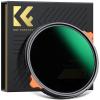
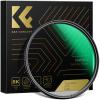
The first thing you’ll want to consider is which type of filter you actually need (e.g., polarizing, ND, UV, color filters). Compact cameras generally thrive on simplicity, so lugging around a variety of heavy filters is neither practical nor advisable. Keep your setup lightweight with small, versatile options.
Here are the common filter methods for compact cameras:
Magnetic Filters
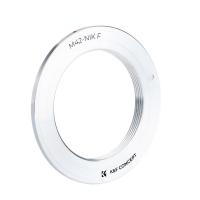
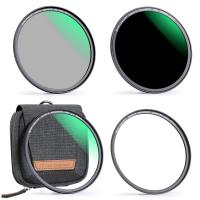
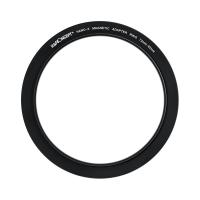
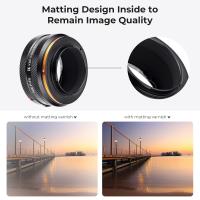
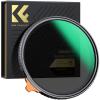
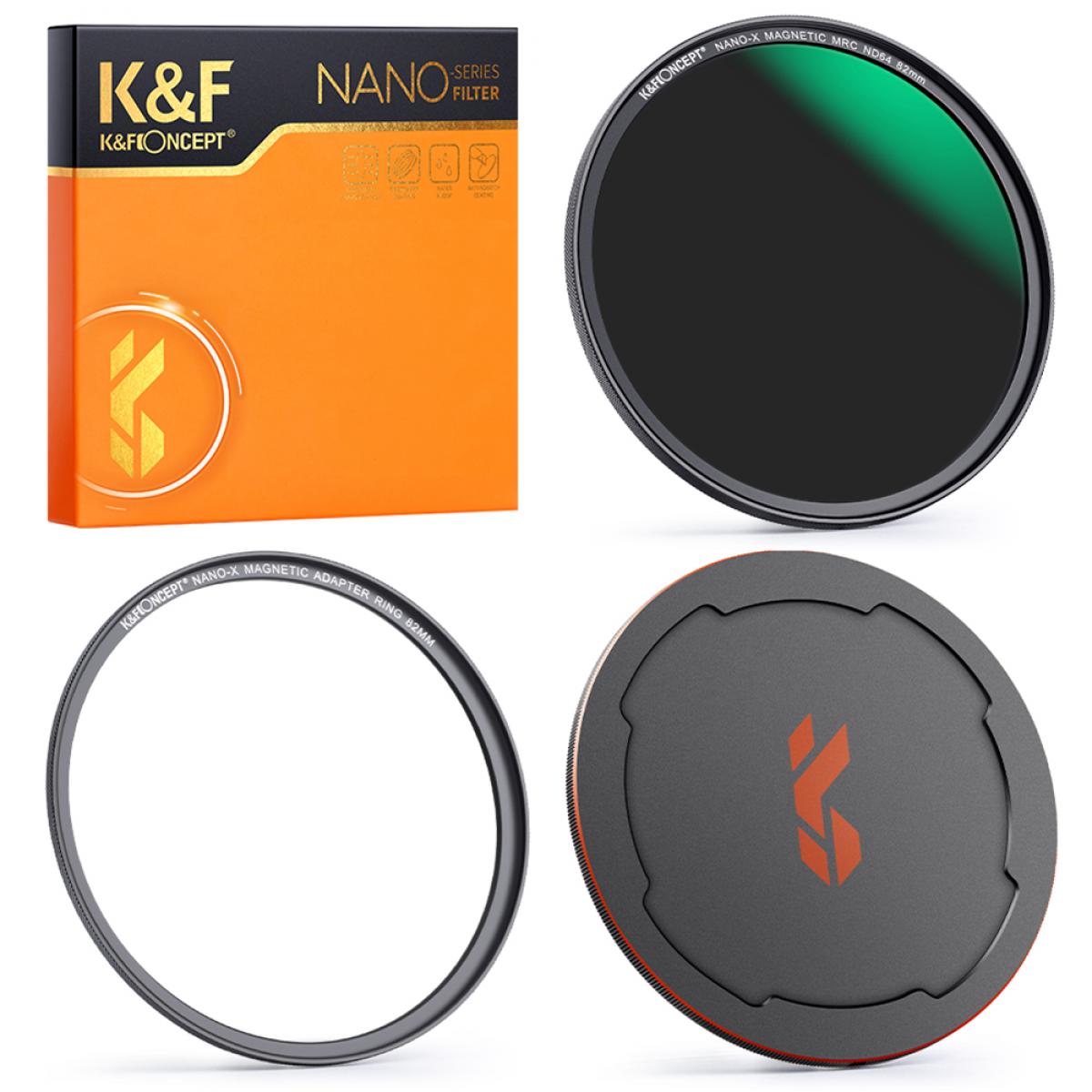
Some companies manufacture magnetic filter systems specifically for compact cameras. These filters attach to the camera lens using a magnetic ring adapter that sticks to the camera body or lens barrel. This becomes an elegant solution since it requires no threading and can easily be adjusted during a shoot.
Clip-On Adapters
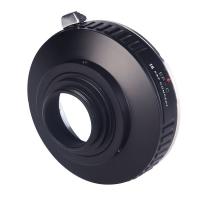
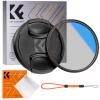
Another option is to use a clip-on adapter designed for your compact camera model. These adapters clamp firmly but gently onto the body of your camera and hold traditional screw-in filters in place. They're easy to apply, don’t damage your equipment, and allow for a broader range of compatible filter types.
Lens Hood-Compatible Holders
If your compact camera comes with a lens hood or has an attachment point for one, you can purchase a filter holder that inserts into the hood itself. This is a more permanent solution, though finding filters small enough to fit some compact cameras may require patience.
DIY Approach
For the creative photographer operating on a budget, there’s always duct tape (kidding...sort of). In all seriousness, photographers often improvise with simple adhesives, generic filter mounts, or third-party tools to secure filters temporarily for a shoot. These DIY options should not become long-term solutions if you're worried about damaging your camera's lens coatings.
Step 2: Attaching Filters Correctly
Once you’ve chosen your method, it’s time to physically attach the filter to your compact camera. Regardless of your chosen accessory, ensure the following:
1. Align Properly: Misaligned filters can lead to vignetting, distortion, or light leaks. If using magnetic adapters, double-check that the ring is centered. If clipping or screwing anything, mark the attachment points for consistency.
2. Don’t Over-Tighten: For screw-in filters or clip-on holders, never torque the threads or clamps excessively. Compact cameras are delicate instruments—too much force can cause permanent damage or hinder the automatic zoom mechanisms.
3. Test Movement: If your compact camera lens extends during zoom, make sure the filter mount does not obstruct its movement. Unrestricted motion is essential to avoid mechanical jamming or loss of focal precision.
Step 3: Maximizing Image Quality
Filters can enhance photo quality dramatically, but only when they’re implemented correctly. With compact cameras, it's particularly essential to watch for:
1. Reduced Light Transmission: Compact cameras often rely heavily on their internal image stabilization systems, especially in low light environments. Adding an ND filter, for example, might necessitate adjustments in ISO settings to compensate for reduced light input.
2. Balance and Weight Distribution: Overloading the camera with bulky, mismatched adapters and filters can cause strain—not only on your wrist during prolonged use but also on the camera’s retractable lens mechanisms.
3. Avoid Vignetting with Wide-Angle Shots: Compact cameras frequently feature wider-angle lenses. Thick filters or incorrect positioning of adapters can cast partial shadows onto the image frame, producing circular dark spots (vignetting) on your photos.
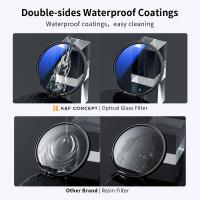
4. Cleanliness is King: Dust particles on filters can cause flares, aberrations, and softening of image quality. Because compact cameras have smaller surface areas, even minor dirt can significantly affect clarity. Invest in a soft lens cleaning brush and cloth specifically for your filters.
5. Experiment with Different Filters: Compact cameras thrive in versatility. A polarizing filter is fantastic for cutting glare on water surfaces or revealing richer colors in landscapes. Meanwhile, an ND filter might make long-exposure shots a breeze—something compact cameras often struggle with due to relatively small apertures.
What You Gain from This
Successfully using filters on your compact camera unlocks a treasure trove of creative possibilities:
Elevated Practicality
Whether you’re trying to tame bright sunlight with an ND filter or remove reflections via a polarizer, filters expand the compact camera’s usability in difficult lighting conditions.
Improved Storytelling
Filters tailor the mood and tone of your photos, enabling you to express a story through deliberate color choices, soft hazes, or intensified contrasts.
Professional Polish
Taking the time to weigh your options for compact camera filters can differentiate amateur snapshots from professional-looking photographs.
Final Words of Wisdom
If adapting filters for your compact device feels intimidating, remind yourself that every professional photographer began as an experimentalist. Compact cameras are often marketed as easy-to-use devices, but understanding the art behind their limitations—and strategically circumventing them—is what elevates a hobbyist to a craftsman.
Not all hacks will work perfectly right out of the box. You may need to try different setups, tweak your filters mid-shoot, or get creative when faced with attachment challenges. But that’s the beauty of the process—it’s photography’s version of problem-solving, where learning leaves you with the toolset to capture memories like a seasoned pro.
Countless masters of photography have refined their art not through state-of-the-art tools, but through their ability to make the most of the gear they had on hand. Your compact camera deserves the same curiosity and ingenuity. So grab your filters, adapters, and magnetic mounts—your photography awaits its next breakthrough!