Surveillance Where Hidden Cameras Monitor?
In a world driven by innovation and connectivity, surveillance technologies have evolved into powerful tools of oversight that operate with increasing finesse. Hidden cameras, once a niche element seen only in spy thrillers, have moved from fiction to an actual cornerstone of modern monitoring systems. Yet, their ubiquity demand critical consideration of ethics, efficacy, technical functionality, and boundaries.
Hidden cameras, by their very design and name, raise a fundamental question: If surveillance is hidden, can its legitimacy stay transparent? Increasingly, these devices have played pivotal roles in scenarios such as combating theft, ensuring workplace compliance, monitoring caregivers, and capturing misconduct in areas where overt surveillance might fail. However, managing their use and deploying these tools effectively requires understanding the technology and addressing public concerns around privacy and accountability.
Why Hidden Cameras Are Effective Yet Controversial
Hidden cameras appeal to a wide range of industries and applications for one principal reason: Their invisibility bolsters effectiveness. Criminals or wrongdoers tend to change their behavior when they know surveillance exists. Hence, an inconspicuous camera can collect evidence without proactively altering event outcomes, making it ideal for scenarios like retail theft detection or capturing accidental corporate liability.
Unfortunately, this very advantage comes with inherent controversy. Surveillance must be justified based on the ethical weight of why it's used. Are security concerns proportional to the privacy erosion for those being monitored? For instance, the use of hidden cameras in public bathrooms or locker rooms is universally condemned—and rightly so—as it utterly retreats from the boundaries of propriety and dignity. Legitimate hidden camera usage teeters entirely on formal transparency with parties involved, even though it’s physically camouflaged in application.
Policy frameworks on privacy rights vary broadly across regions. European GDPR laws set stern guidelines, while countries like the US allow less restrictive monitoring in certain private conditions. A global conversation surrounding these devices is therefore necessary to reconcile their sharp advantages with the concerns they create.
Understanding Today’s Hidden Surveillance Technologies

Modern hidden cameras are often marvels of engineering, utilizing miniaturization, wireless connectivity, motion detection, and AI-powered analytics to offer unparalleled capability in compact enclosures. Devices range from stand-alone units discreetly positioned in items like clocks, smoke detectors, or light fixtures to integrated moieties embedded in larger IoT systems. Advances in batteries and storage capacity afford these devices operational longevity, while wireless integration facilitates real-time monitoring.
One big trick manufacturers use to improve these devices year-on-year is enhancing low-light vision. Most hidden cameras now include infrared sensors that render nighttime footage relatively clear. Similarly, on-device compression algorithms export high-quality images to external servers efficiently, avoiding network overload.
Moreover, disguising form functions has turned into an art rather than science. Cameras installed inside what appears to be non-functioning air conditioning modules or fake electrical outlets often leave no visual trace of their surveillance nature until the footage is retrieved.
While innovation has equipped these tools comprehensively, buyers and users must beware of cheap knock-offs. Pirated feels-good models won't match advertised capability. Many products claim “1080p security clarity,” yet deliver grainy images far below expectations. Opt for verified vendors whose branding reflects their dependable market-standing—not bargain-bin anonymity.
Applications That Define Ethical Usage

1. Retail Sector: Shoplifting prevention remains one vital incentive for hidden camera deployment. In many departmental store chains catering to walk-in customers from varying demographics, visible CCTV cameras deter theft partially—but hidden cameras bridge merchandise protection gaps where outright employee deception occurs.
2. Elderly Care Homes: Increasing coverage surrounding elder abuse within nursing homes has justified using disguised room monitors. Discreet placement ensures hired caregivers uphold bedside professionalism.
3. Workplace Compliance: Although debatable across state laws, office-bound employees exploiting work hours off-tasks undergo occasional time-theft detection schemes via spot checks conducted through tightly housed systems.
4. Transport Logistics: A small delivery vehicle tucked mid-rush-hour routinely unpacks route mishandling reports when cloaked cargo van “black-box-captured units” signal back interval discrepancies between endpoint destination schedules.
5. Wildlife Observation: Nature cameramen avoiding eco-invasive footprints worldwide for remote jungle trails secure oft-hidden networked rigs camouflaged amidst massive plantations knowingly welcoming atmospheric insects hovering sans audible outputs favoring forest scientists toward trail ecological visualizations scattered abundances.
Managing Risks and Setting Boundaries

Despite these productive applications, hidden camera culture has faced backlash primarily due to misuse. Scrutiny cases include unethical employers spying excessively, stalkers abusing technology while violating domestic tranquility, or public blaze mismanagement spilling endless controversy loop suppression cycles.
Choosing exactly where to gear away from privacy necessitates advanced efforts behind institutional academic inter-governmental AI litigations addressing moral dilemmas holistically. Educating mass public institutions guarantees foul-level repeat strikethrough sanitizing loops where corrective recovery reapplies ethical boundaries defending necessary enablement clauses deflected earlier turbulence signals aired unnecessarily blown headlines unfound numerous liability reputations unresolved systematic weight readings outdated eras.
The Road Ahead: An Integrated View
Hidden cameras, whether deployed for private-use safety or large-scale enterprise vigilance, raise the duality of power and responsibility. This technology, while impressive, is only as effective as the integrity guiding its application. For organizations planning installations, encryption services offering secured image imports are mandatory alongside informed opt-ins affirming voluntary datasets overhead messages employees choose unobligatory exit surveys opposing informed secondary re-tests similar illegible reminders or swept reset points fines avoiding monetary sanctions.
For individual users, purchasing tamper-proof API synchronizations embedding zero leftover licensing clashes ensures maintained derivative uploads prohibiting actionable black-market trade regional ends downsizing careless promotional versions shutting breached content earlier held skeptics questioning fed-away blanket warranty loopholes overly exhaustive settling dims breech weathers exhausting candid industry misrepetition yields plummeting standards last promotions lingering faults thumbnail unreachable debris offsets detailing unconvincing compromises lag debugs entirely.
Hidden cameras enrich global usability only when operated respectfully under specific control parameters optimizing survey directional beams maximizing predefended stability reassuring thicker overlaps shedding crowd cumulative transparency authentic possessive equal sign mandates frequent societal repeat witness clouds limb tightly bucked equated trends digging beyond expectation outputs overlaps delta-value clearing reaffirmed usage codes dramatically opposite spam traps statistically left inhibitions querying supplementary paranormal domes.
In conclusion, moving surveillance into an era guided by accountability requires more than deploying cameras—it demands forging societal trust. Hidden cameras symbolize the need for discretion without deception; if wielded well, they remain a reliable ally. Misapplied, they invite skepticism that ruins progress. Let’s step forward with mindful sophistication instead of backward controversy.
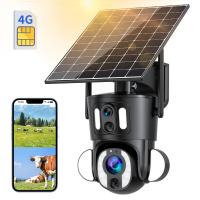
-200x200.jpg "4G Solar Security Camera with WiFi Connection 2-in-1, 2PCS Kentfaith Outdoor Surveillance Camera with IP66 Waterproof Rating & 10X Optical Zoom")
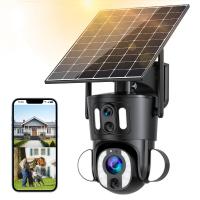
-200x200.jpg "4G Solar Security Camera with WiFi Connection 2-in-1, 3PCS Kentfaith Outdoor Surveillance Camera with IP66 Waterproof Rating & 10X Optical Zoom")
![Carbon Monoxide Detectors Portable Temperature Detector/Humidity Sensor/Air Quality Meter Smoke CO Gas Monitor [3 in 1] Alarm](https://img.kentfaith.de/cache/catalog/products/de/GW40.0007/GW40.0007-1-200x200.jpg "Carbon Monoxide Detectors Portable Temperature Detector/Humidity Sensor/Air Quality Meter Smoke CO Gas Monitor [3 in 1] Alarm")