What Are The Most Powerful Compact Binoculars?
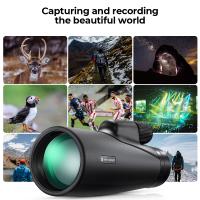
Compact binoculars hold a unique position in the optical world, blending portability with power. They’re often the go-to choice for travelers, outdoor enthusiasts, and birdwatchers who value convenience without compromising quality. But when it comes to choosing the most powerful compact binoculars, things get tricky. "Powerful" can mean different things depending on one’s needs—magnification, optical clarity, build quality, or low-light performance. Today, let’s dive into the myriad factors that make compact binoculars tick and explore some of the top picks for scenarios ranging from stargazing to safari adventures.
At its core, binoculars are quantified by two magic numbers: magnification and objective lens diameter. For example, a pair of 10x25 binoculars offers 10x magnification paired with 25mm objective lenses (the lenses that let light in). Compact binoculars generally fall into the range of 8×20 to 12×32. Why the modest sizes? It’s a trade-off. Bigger objective lenses gather more light, providing better clarity and performance in low-light environments. However, larger lenses also mean heavier, bulkier devices—a death sentence for portability. Compact models prioritize convenience, sneaking into jacket pockets or dangling effortlessly from neck straps without weighing you down.
The Case for Magnification
When we talk about "power," magnification often comes up first. Who wouldn’t marvel at getting a close-up view of an eagle in flight or a distant mountain peak? But higher magnification doesn’t mean better in all situations. A 12x pair of compact binoculars might sound impressive, but here's the problem with higher zoom: it magnifies not just the object but everything you don’t want—handshake vibrations, atmospheric distortion, and even your breathing-induced wobble. Higher magnification usually needs stabilization, either in the form of a sturdy grip or image-stabilization tech (which adds weight, complexity, and cost).
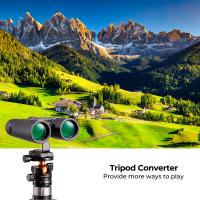
For most users, sticking to the sweet spot of 8x or 10x magnification balances power and usability. These levels yield detailed views with minimal need for stabilization. Anything higher on compact models often leads to frustration and blurry vision unless you’ve got steady hands or mount your binoculars on a tripod (which kind of defeats the "compact" part, right?).
Setting Expectations for Compact Sizes

When assessing compact binoculars, it’s important to recognize their inherent limitations. Compact objective lenses (ranging between 20mm and 30mm typically) aren’t going to rival full-sized binoculars when it comes to gathering light. If you’re stargazing or scanning dusk-lit landscapes for wildlife, larger lenses (40mm or even 50mm) are far superior. Compact binoculars excel in daylight scenarios—birdwatching, sports events, or urban explorations.
Another trade-off is field of view (FoV). Larger binoculars often boast a wider FoV, which makes it easier to track objects in motion, such as birds darting between trees. Compact models, while respectable, tend to narrow that window. So, if you're following fast targets like a soccer player zigzagging down the field or trying to capture an entire concert stage, you might feel slightly restricted.
Lens Coatings and Prisms: The Secret Sauce
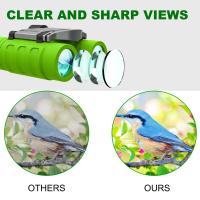
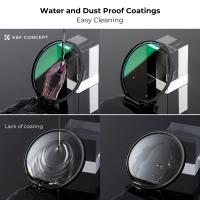
When examining compact binoculars, don't overlook the glass. Lens coatings play a vital role in light transmission and image quality. Multi-coated or fully multi-coated lenses maximize brightness and prevent reflections, delivering images that are crisp rather than murky. And while most binoculars today feature them, high-end models may use dielectric or phase-corrected coatings for improved contrast and resolution.
Similarly, compact binoculars often rely on roof prism designs instead of Porro prisms. Roof prisms allow manufacturers to create slimmer, streamlined devices, which translates to excellent portability. Premium roof prisms with phase corrections improve sharpness and eliminate color distortion. If your binocular budget allows, it’s worth investing in these higher-grade prisms for spectacular views.
Waterproofing, Fog-proofing, and Durability
What’s the point of having a powerful pair of binoculars if they buckle under environmental pressure? Compact binoculars often accompany users on adventures, where weather conditions can be unpredictable. Nitrogen-purged or O-ring-sealed models ensure that your lenses won’t fog up during sudden temperature shifts. Rubber armor and waterproof coatings, meanwhile, boost durability and grip—perfect for rainy hikes or slippery boat rides.
Top Picks in the Compact Range
Powerful, compact binoculars take many forms, but a few models consistently stand out for delivering top-tier performance in a travel-friendly format. Look at brands like Zeiss, Leica, Swarovski, and Vortex, and you’ll see a recurring emphasis on precision engineering and careful thought given to size constraints.
Zeiss Terra ED 10x25
A masterclass in optical clarity, the Zeiss Terra ED offers sharp images with excellent color reproduction. With a 10x magnification and 25mm objective lenses, this model pairs power with lightweight construction. Plus, thanks to its waterproof and fog-proof design, you’ll feel confident taking it anywhere.
Swarovski CL Pocket 10x25
Swarovski binoculars tend to sit at the luxury end, but the CL Pocket manages to deliver high-end specs in a compact case. At just over four inches in height, it punches far above its size with cutting-edge optics, offering impressive brightness and resolution.
Leica Ultravid 8x20 BR
Premium optics meet incredibly compact design. The Ultravid lineup is particularly loved for user comfort and razor-sharp visuals. Its lighter weight makes it perfect for day-long excursions without straining your shoulders or pockets.
Vortex Optics Diamondback 8x28
When it comes to bang-for-your-buck value, Vortex delivers. The Diamondback 8x28 strikes an excellent balance between optical clarity, affordability, and durability. It’s slightly larger than other compact options but worth the trade-off for exceptional views.
Bushnell Legend Ultra HD 10x25
Bushnell models are known for delivering excellent performance at more accessible prices, and the Legend Ultra HD stands out for its crisp images and budget-friendly price point. Excellent for casual wildlife observation and outdoor exploration.
Wrapping Up Tips
If you’re shopping for compact binoculars, start with these questions: What’s their primary use? (Birdwatching, sports, hiking?) What lighting conditions will you face? Once you’ve framed your priorities, delve into magnification levels that suit your preferences while choosing lenses and coatings that amplify clarity.
Also, don’t skimp on hands-on testing. End-user reviews often paint rosier pictures than reality, so holding and testing binoculars in-store—or borrowing a friend’s pair—can reveal quirks you won’t find in specs charts. Ergonomics matter more than you’d think; a lightweight, well-balanced pair with intuitive focus wheels can be a game-changer.
And there you have it—a compact guide for compact binoculars! Whether you're scaling peaks or attending a stadium concert, these mighty devices bring far-off wonders into striking focus. So, choose wisely and confidently, knowing you’ve got the tools to see the bigger picture, up close.
(1)-200x200.jpg "STARTRC DJI Mini 3 PRO LED Light-Emitting Tripod Landing Gear")