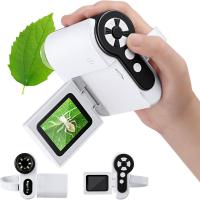
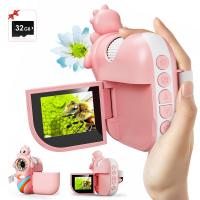
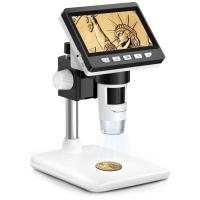
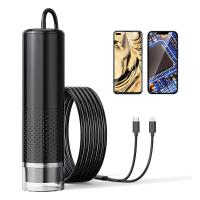
What Is A Microscope For Kids?
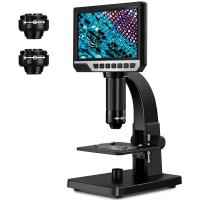
Microscopes are like magical telescopes, but instead of peering into the vast expanses of outer space, they help us explore the intricate and often hidden universe of the tiny. Whether it’s a drop of pond water teeming with mysterious life forms, or the delicate structure of a single hair, microscopes allow kids—and adults—to see things that are invisible to the naked eye. But here’s the thing: introducing kids to the world of microscopes isn’t just about showing them cool stuff; it’s about nurturing their curiosity and encouraging them to ask questions about how things work. Let’s dive into the world of microscopes and what makes them so fascinating for kids.
Microscopes: Not Just Science, It’s Adventure!
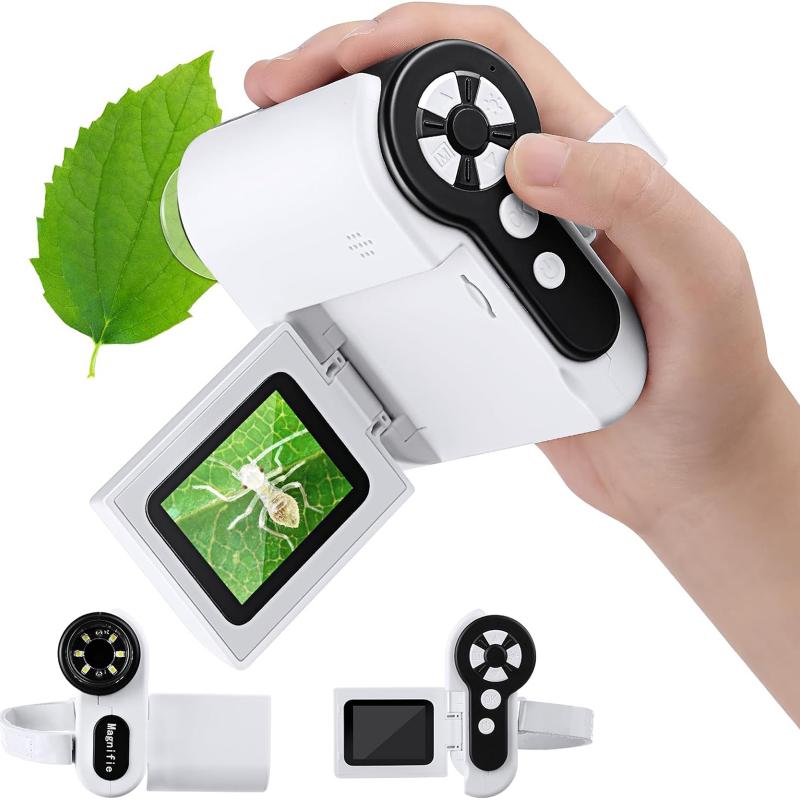
Imagine telling kids they could become explorers without ever leaving their home. Microscopes are the perfect tool to launch such an adventure. They are devices capable of magnifying tiny objects, making them appear larger than life. From cells to fibers and grains of sand, something as simple as leaf veins could suddenly look like a complex labyrinth of interconnected highways. It's science, art, and storytelling combined; every object tells a tale once magnified.
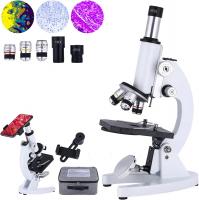
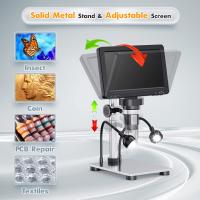
When discussing microscopes for kids, simplicity is key. Young scientists don’t need advanced models with features they’ll never use. A basic starter microscope will typically magnify objects between 40x and 400x, which is more than enough for exploring blood cells, insect wings, or plant structures. These entry-level microscopes let children learn the basics of magnification and focus in a hands-on, engaging way.
How Microscopes Work: The Science Behind the Magic
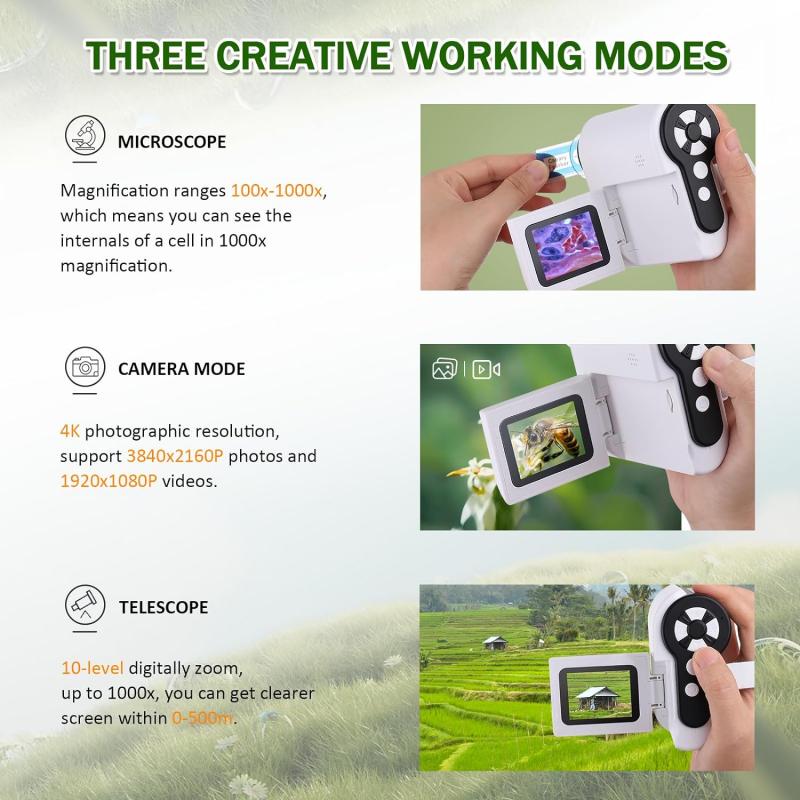
At its core, a microscope uses lenses to bend light and magnify small objects. Think of lenses like magnifying glasses; when placed correctly, they enhance what we see. A microscope will often have multiple lenses stacked together. The lens closest to the specimen (called the objective lens) captures the image, and the lens closest to the eye (called the eyepiece) magnifies that image further. This dual magnification system is what makes microscopes so effective.
For kids, the specifics don’t need to go too deep at first; these details can come later. What they’ll understand quickly is that the microscope allows them to see a level of detail they never thought possible.
Choosing a Microscope for Kids

Making a microscope purchase can be overwhelming, especially with the variety of options available. Here’s a quick checklist to guide you:
1. Durability: Kids are prone to accidental bumps and drops. A sturdy, easy-to-use model can withstand these trials of science.
2. Ease of Use: Simplified controls for focusing and magnification ensure kids won’t get frustrated while operating their new lab gear.
3. Magnification Range: A beginner-friendly microscope with magnifications from 40x to 400x is ideal for most learning purposes.
4. Light Source: Most microscopes designed for kids come with built-in LEDs for proper illumination, making specimens easier to observe.
5. Pre-Prepared Slides: Some models come bundled with slides featuring pre-mounted samples (like onion cells or insect legs). This means kids can use them right away without having to collect their specimens—or struggle slicing paper-thin sections themselves.
6. Encouragement for Imagination: The microscope itself doesn’t need to resemble complicated lab equipment. Some models feature colorful designs or compact builds that scream “kid-friendly!”
Specimen Collection: Encouraging Curiosity
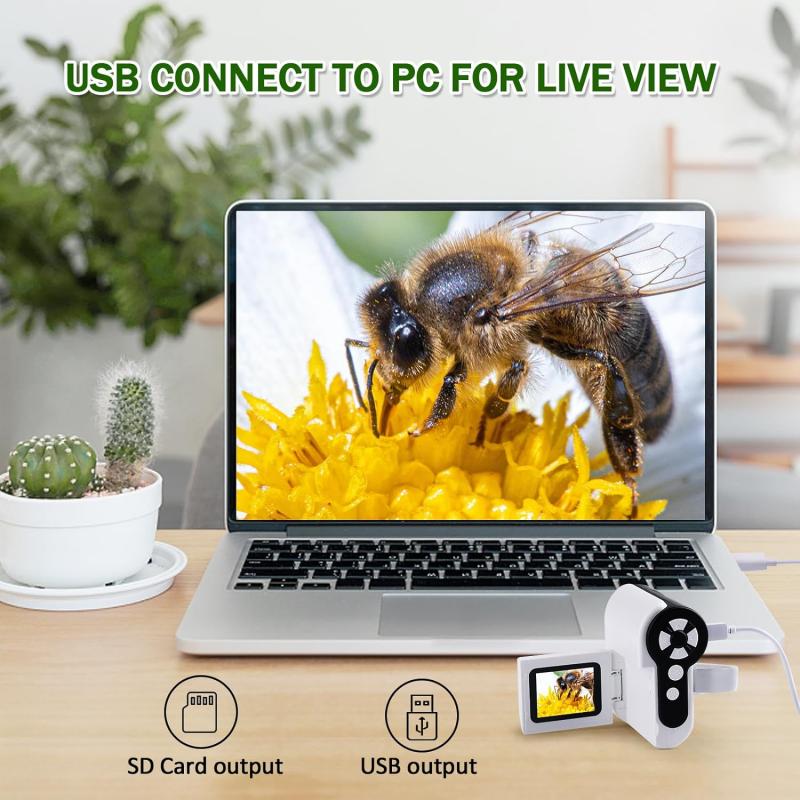
Once you hand over a microscope to a kid, you’ll notice something remarkable—suddenly, everyday objects in the house or yard become incredibly fascinating. A crumb from the kitchen floor or a droplet from the garden pond transforms into a science experiment.
Here’s a fun list of specimens kids can explore under their microscopes:
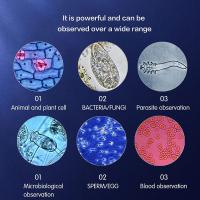
- Drops of tap water versus pond water (spoiler: pond water will have tiny, wiggling creatures!)
- Onion skin or leaf sections to observe plant cells
- A strand of hair (how does your cat’s fur compare to yours?)
- Salt, sugar, and sand grains—notice the different structures!
- Printed words from a book (see how ink patterns vary?)
Encouraging kids to collect their specimens is part of the adventure. Teach them to use tweezers, pipettes, and small collection jars for gathering samples. Who knows, they might uncover a world they didn’t even know existed. Just remember to set boundaries—no dissecting living things or sampling unknown substances.
Microscopes as a Gateway to STEAM
Let’s step back for a moment and talk about why microscopes matter beyond just magnification. One of the biggest educational movements in recent years is STEAM (Science, Technology, Engineering, Arts, and Mathematics). Microscopes fit beautifully into this framework because they’re not just tools for science; they also spark creativity, critical thinking, and problem-solving.
Kids exploring tissue structures or identifying unknown particles under a microscope are honing observation and analytical skills. When they sketch the tiny organisms they find, they’re incorporating art. When they try to build hypotheses about why something looks the way it does, they’re diving into the scientific method. That little microscope table in your home could very well become the birthplace of innovation for today’s curious minds.
The Wow Factor: Turning Microscopy into Storytelling
Kids love stories, especially ones that blend reality and imagination. Microscopes allow children to become the heroes of their own story—the curious scientist uncovering secrets of the universe. Parents or educators can level up the experience by weaving fantasy scenarios around their microscopic finds. For example:
- “This salt grain looks like a diamond cavern; imagine a colony of ants mining salt from the crystal caves.”
- “This living microorganism in pond water could be an alien life form!”
The act of applying drama to science helps in bridging the perceived gap between education and fun. Plus, this storytelling approach encourages kids to share their discoveries with family and friends, reinforcing communication and leadership.
Common Misconceptions to Clear Up
Before handing microscopes to kids, it’s worth addressing a few myths to ensure they understand the tool’s scope:
Microscopes can’t zoom into DNA strands. While cartoons may show DNA spirals under a typical microscope, this requires specialized equipment. Don’t expect a $50 kids’ microscope to accomplish this level of magnification.
Not all objects are microscope-friendly. Things like metallic objects or thick items (a full apple slice, for instance) won’t be easy to see; encourage kids to collect flat, thin, or transparent specimens.
Patience is key. Focusing a microscope takes trial and error, so remind kids not to rush.
The Long-Term Impact of Early Microscopy
The idea isn’t just to let kids fiddle with a microscope temporarily and leave it forgotten in a closet. Early exposure to microscopy can lead to long-lasting curiosity and an appreciation for science. Who knows? That child examining an insect’s wing under the microscope today might grow up to engineer biomimetic drones—or become the ecologist protecting insect habitats.
The real beauty of teaching kids microscopy is the investment in their ability to wonder: to marvel at the hidden details of the world around them. It teaches them that greatness isn’t always loud or large—sometimes it’s hidden in plain sight, waiting for curious eyes to explore.