Can I Point An Indoor Security Camera Outside?
This is one of those questions that looks deceptively simple at first glance. Can you point an indoor security camera outside? Sure, you can. But should you do it? Well, that’s where things get interesting. Let’s unravel the layers of this seemingly straightforward query, explore the technical considerations at play, and ultimately decide whether your indoor camera deserves an outside view.
The Hardware vs. the Habitat Dilemma
Indoor security cameras are engineered to live indoors. That might seem obvious, but it’s critical to remember that the design of indoor cameras prioritizes environments free from the joys — and horrors — of the great outdoors. These cameras aren’t typically equipped to deal with temperature variations, humidity, rain, snow, or extreme sunlight. Outdoor cameras are made to endure these conditions, sporting rugged builds, weather-resistant casings, and infrared capabilities to capture footage even in pitch darkness.
Placing an indoor camera in a window frame or pointing it outward could work under certain circumstances, but you’re essentially asking a fish to climb a tree. Sure, it might survive for a minute or two, but that’s not what it’s designed to thrive at. Indoor cameras are optimized for climate-controlled spaces, and while pointing one outside through a window might seem harmless, it introduces unique challenges that significantly impair camera performance.
The Glass Wall Problem: Image Quality That Suffers
When you aim an indoor security camera outside through a window, you’re introducing one of the most frustrating barriers to clear imaging: glass reflections. Not all windows are created equal; the type and quality of glass, combined with lighting conditions, create an optical puzzle that your indoor camera is ill-prepared to solve.
Here’s the issue: glass reflects light. During the day, this might not be much of an issue unless the sun is hitting the window at a weird angle. But at night? You’re asking for trouble. The infrared lights that indoor cameras rely on for night vision will bounce off the glass rather than penetrate it, creating a glorious display of white haze that obscures whatever you’re trying to capture outside. Spoiler alert: you won’t see much, other than maybe your own reflection.
Even in daylight, you’ll likely face challenges like glare, smudges, and refraction issues, all of which degrade image quality. Unless your window is squeaky clean and your camera is perfectly positioned, expect subpar results.
Bright Lights, Big Problems: Exposure and Contrast Issues
Security cameras don't just capture moments—they interpret environments. When you point an indoor camera outside, you're asking it to deal with more dynamic lighting conditions than it's equipped to handle. Shadows, bright sunlight, moving cars with headlights, and fluctuating cloud cover will all test your indoor camera's exposure algorithms in ways it wasn’t programmed to handle.
You might find yourself adjusting camera settings endlessly to optimize for one moment only to have the next ruin your setup entirely. Outdoor security cameras, by contrast, include advanced exposure control and HDR (high dynamic range) capabilities to deal with these environmental stressors. Indoor cameras simply aren’t equipped with the same tools for balancing bright and dark exposure zones in outdoor spaces.
Privacy Concerns: Don’t Spy on Your Neighbors
Now, let’s talk ethics. Just because you *can* point a security camera out a window to surveil the world doesn’t mean you *should*. Stick to securing your own property. If your indoor camera ends up capturing footage of neighbors or public spaces without their consent, you might find yourself in hot water—not the kind that makes a relaxing bath, but the kind that involves legal ramifications.
In many jurisdictions, pointing a security camera toward private areas—such as someone else's backyard—or public places could be considered intrusive or illegal. Before you attempt to use your indoor camera to keep tabs on the outside world, review local privacy laws and be aware of where the boundaries lie.
Is It Worth the Hassle?
Let’s be honest: pointing an indoor camera out a window isn’t the worst idea in the world. If you’re determined to go down this path, there are ways to make it work. For instance:
Clean the Glass Thoroughly: Smudges and streaks can wreak havoc on your image clarity. Clean the inside and outside of the window before setup.
Turn Off Night Vision: Since infrared lights reflect off glass, disabling night vision is a smart move. You can add external lighting outside to help your camera capture clear nighttime footage.
Avoid Sunlight and Backlighting: Position the camera and pick an angle where glare and direct sunlight won’t interfere.
However, even with these tweaks, you’re likely running into diminishing returns. For all the effort you’ll expend trying to make your indoor camera work as an outdoor watchdog, wouldn’t it be easier just to buy an outdoor camera?
Making the Case for an Upgrade
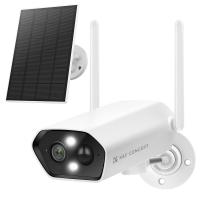
Outdoor security cameras aren’t just more rugged; they’re smarter, too. They’re built to tackle everything your indoor camera struggles with in an outdoor setting—and then some. Here’s what you gain by opting for a device that’s purpose-built for outdoor surveillance:
1. Weather Resistance: Outdoor cameras can brave the elements, including rain, snow, and dust. No more worrying about moisture damage or overheating.
2. Better Night Vision: Infrared and low-light performance is optimized for outside use, eliminating those frustrating glass reflections.
3. Wide-Range Motion Detection: Outdoor cameras have more advanced motion sensors designed for larger spaces. They know whether it’s just a squirrel or an actual threat skulking around.
4. Tamper Resistance: The exterior casing protects against damage, whether it’s Mother Nature or human interference.
5. Dual Connectivity: Wireless outdoor cameras often support Ethernet and Wi-Fi connections to ensure a robust feed even when conditions are less than ideal.
The Final Verdict
Pointing your indoor security camera outside might offer a temporary solution, but it's a compromise filled with technical pitfalls, ethical considerations, and limited performance. If your goal is consistent, reliable outdoor surveillance, you're much better off investing in a camera tailored for exterior use.
In conclusion, let your indoor security camera do the job it was designed for: keeping a watchful eye on the insides of your domicile. For outdoor needs, step up your game and embrace the tools built for the task. Think of your security hardware as you would any good professional—hire the right person for the job. After all, you wouldn’t ask your hairdresser to fix your car, would you?