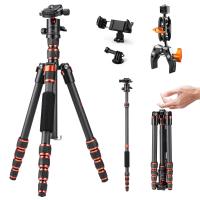
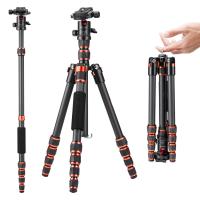
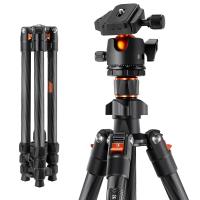
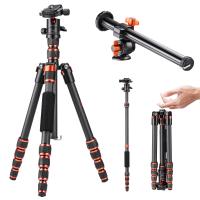
Which Tripod Ball Head?
When it comes to picking the right tripod ball head, you’re venturing into a world of engineering brilliance, nuanced preferences, and unfortunately, marketing jargon designed to trip up even the savviest of shoppers. To simplify things, let’s break down the essentials of tripod ball heads and then dive into which options are actually worth a second look.
The Anatomy and Purpose of a Ball Head
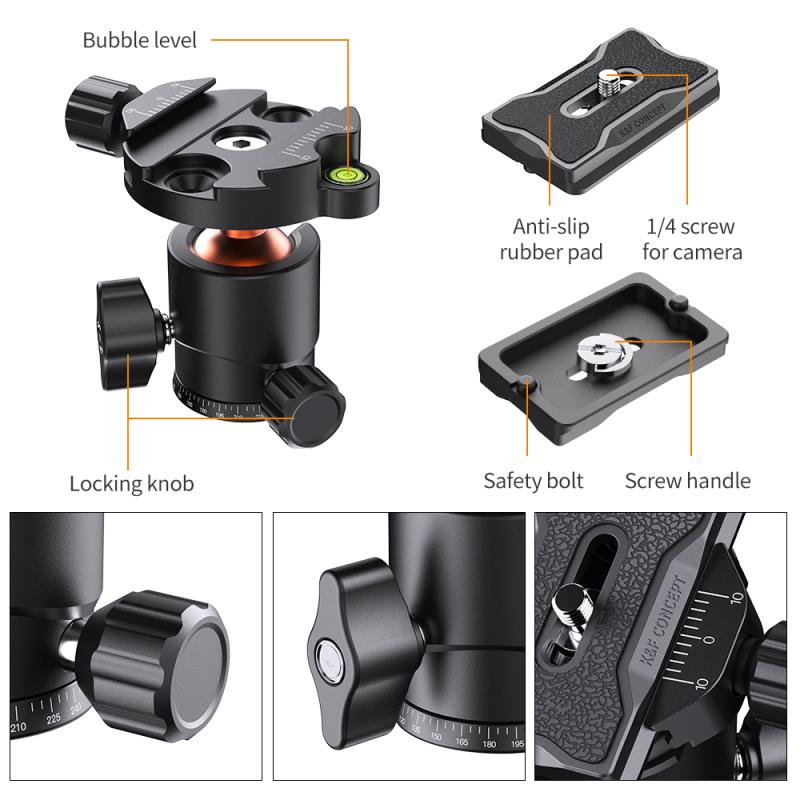
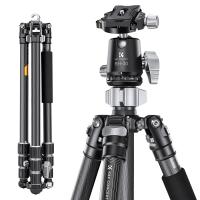
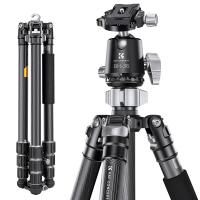
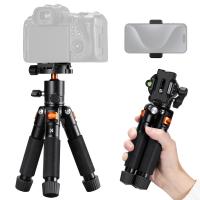
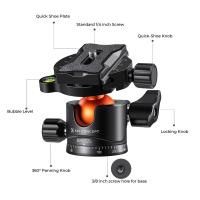
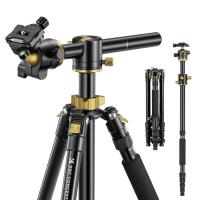
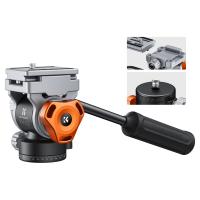
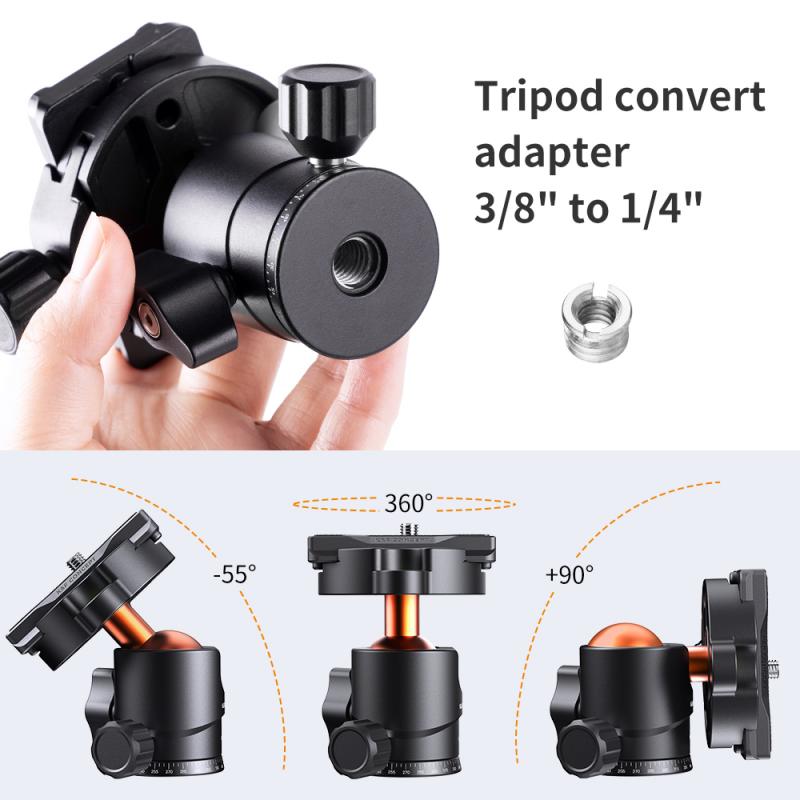
At its core, a tripod ball head is a mechanism that allows your camera to move fluidly in virtually any direction. Unlike traditional pan-and-tilt heads with separate handles for vertical and horizontal movements, the ball head simplifies this to one central control. A perfect model provides sturdy support, smooth adjustments, and ensures that your camera stays exactly where you left it, without any unfortunate tilting or wobbling.
The magic lies in its versatility. Whether you're photographing wildlife or capturing long-exposure shots of the night sky, the ball head allows for quick maneuvers without needing to fiddle endlessly. But not all ball heads are created equal — some are clunky, others lack precision, and a few are downright frustrating.
Key Features That Matter
Before getting into recommendations, you need to understand the features that separate the good from the bad. Much like camera bodies and lenses, tripod ball heads involve both artistry and engineering precision. Here’s what you should be evaluating:
1. Weight Capacity
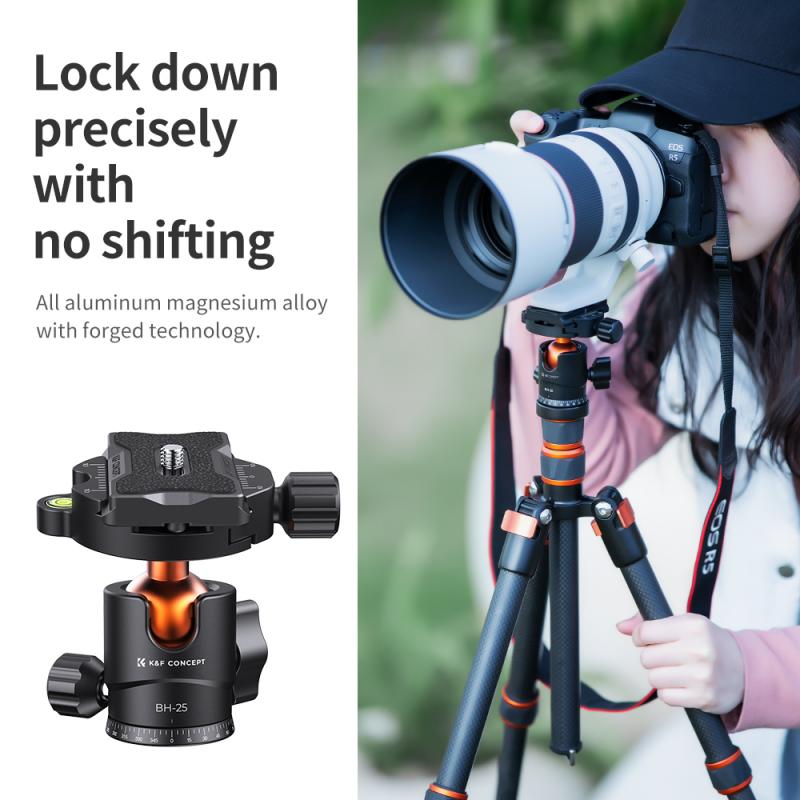
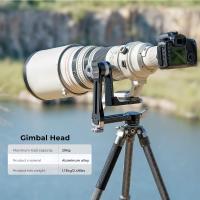
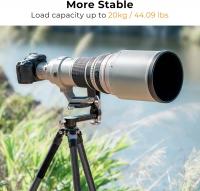
You absolutely need a ball head that isn’t just "compatible" with your gear but is fully capable of holding it securely. Look at the total weight of your camera and lens combined and pick a ball head with at least a 50% higher weight capacity. For example, if your gear totals 4 kg, opt for a ball head rated to hold 6 kg or more. Why? Because pushing the limits can reduce stability and durability over time.
2. Material Construction
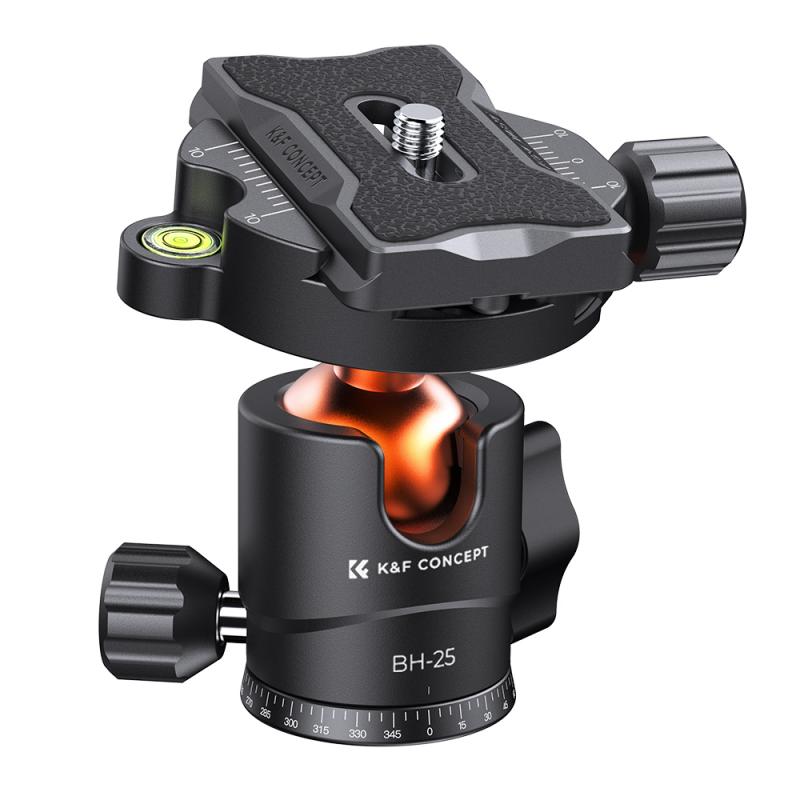
Premium ball heads are typically forged from aluminum or magnesium alloys to achieve the holy grail of engineering: balance between strength and light weight. Cheaper models may have plastic parts that squeak under pressure (literally and figuratively). For photographers on longer hikes or remote shoots, lightweight materials without sacrificing core strength are crucial.
3. Smoothness and Precision
Ever struggled to align your shot just so, only for the ball to seize up halfway? High-quality ball heads include mechanisms such as teflon coatings or advanced locking systems that allow silky-smooth adjustments. Look for heads with fine-tuning knobs or friction controls — small changes make a big difference when leveling your horizon or shooting macro.
4. Quick Release Systems
Your ball head needs to hold your camera *securely*, but come to your rescue when those "I need to move!" moments strike. ARCA-Swiss compatibility is preferred by most professionals because it provides excellent security and universal compatibility with various tripods, cameras, and accessories, eliminating the need to start a fight with proprietary plates.
5. Panoramic Base
For photographers who shoot panoramas or video, a ball head with a separate, 360° panoramic base simplifies your life. It allows you to rotate the camera horizontally without having to readjust the vertical axis. A small feature on paper — but a monumental game-changer in execution.
What's the Budget, Boss?
Like most camera equipment, ball heads span a frighteningly wide range of prices. Before splurging, figure out how much you really need to invest based on your shooting style. If you're a casual hobbyist, a mid-range option is likely sufficient. But for professionals lugging heavy prime lenses or specialty gear, don't skimp. That’s like hitching a luxury car engine to a bicycle frame — it’s going to end badly.
The Contenders
Now that we’ve defined the *why* and the *what*, let’s jump into the *who*. Below are some excellent options tailored to varied needs:
1. Arca-Swiss Z1 Monoball
A darling in the photography community, the Z1 Monoball excels in craftsmanship and performance. With an enormous weight capacity (up to 60kg) and buttery-smooth adjustments, it’s as close to a perfect ball head as you’re likely to find. That said, perfection doesn’t come cheap; it’s an investment that’s probably overkill for casual photographers but a godsend for professionals.
2. Gitzo GH4383QD Center Ball Head
If you’re already acquainted with Gitzo’s premium tripods, their GH4383QD ball head is the natural complement. Known for exceptional build quality, it’s precise and reliable. Features like independent pan locks and excellent engineering make it suitable for those who need a balance of durability and usability. It’s a bit on the pricier side, but if you need long-term reliability, it’s worth considering.
3. Manfrotto XPRO Ball Head
For those looking for a slightly more accessible option, Manfrotto’s XPRO is worth considering. With magnesium body construction and a reasonable price point, the XPRO caters to hobbyists and semi-pros looking for reliable performance. It’s not as silky-smooth as higher-end models, but it does the job admirably.
4. Benro B3 Double Action Ball Head
Benro delivers a fantastic blend of affordability and performance with the B3. With independent pan and ball locks as well as reasonable weight capacity (18kg), this head offers professional-grade features at an accessible price. It’s perfect for someone stepping up their photography game without a massively painful price tag.
5. Sirui K-40X Ball Head
For astrophotographers or landscapers who want uncompromised stability, the Sirui K-40X offers fantastic holding power and precision at a more affordable rate than its rivals in the same weight class. While not as customizable as the Z1 Monoball, it delivers where it counts—smooth operation, durability, and incredible load tolerance.
Tips to Keep in Mind
Balance Your Setup: Avoid slapping heavy telephoto lenses onto a bargain-bin ball head; consider the weight distribution meticulously.
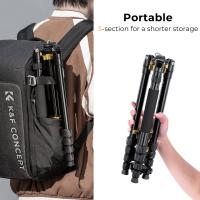
Think About Travel: Professionals hitting the road might prioritize compact designs; some ball heads even come in travel editions.
Long-Term Investments: Saving a few dollars upfront can cost more in frustration and eventual upgrades. Settle for nothing less than reliability.
Wrapping Up
The best tripod ball head for you hinges on a blend of budget, intended usage, and gear compatibility. If you’re a hobbyist aiming to capture landscapes during weekends, steer toward mid-range options from reputable brands. Professionals handling heavy-duty equipment or niche photography (macro, astrophotography, etc.) may find their soul mate in premium-grade models.
A ball head might seem like a small cog in your photographic workflow, but trust me: a good one can make or break the experience. So, take your time, do your research, and remember — the best compositions are born from gear that’s as reliable as your creative vision.