How Much Are Trail Cameras?
Trail cameras have become an essential tool for hunters, conservationists, security enthusiasts, and even outdoor hobbyists looking to capture candid wildlife moments. If you're exploring the world of trail cams and asking the question, “How much are trail cameras?” you’re essentially opening Pandora’s price box. Selecting the right trail cam at the right price isn’t just about dropping some cash—it’s about understanding what features drive the cost and whether or not you actually need them. Buckle up as we break down the specifics to enlighten your decision-making process.
Trail Camera Pricing: From Budget Basics to Premium Packs
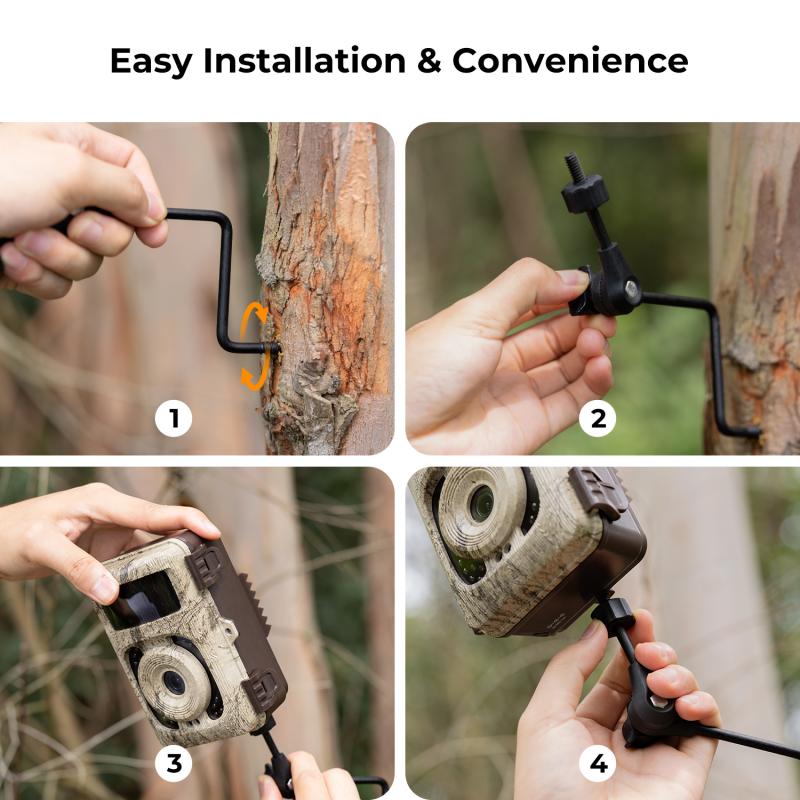
Let’s start with the obvious—trail cameras range in price. Depending on the brand, features, and intended use, you can spend anywhere from around $30 to upwards of $500. That’s a pretty large financial spectrum, right? Let’s dissect it to uncover what you’re paying for at each tier.
1. Budget Cameras ($30-$100)
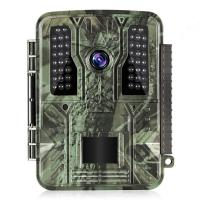
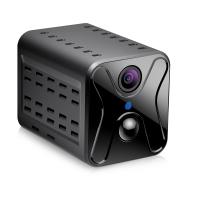
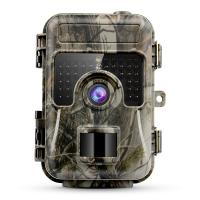
In the budget-friendly range, you’ll find basic models good for beginners or general enthusiasts. These cameras often have lower-resolution sensors (think: 8-12 megapixels, enough to make your photos recognizable but not award-winning) and smaller detection ranges, around 50-60 feet. They’ll reliably capture snapshots of critters if conditions are ideal—like a well-lit trail on a dry day—but don’t expect mind-blowing night vision or ultra-refined motion detection.
Experts often regard these units as "bread-and-butter" cameras; they do the job adequately without bells and whistles. For example, they’ll handle casual observation or make a good first camera for those dabbling in wildlife monitoring. However, don’t expect expandable storage or app connectivity for remote viewing. You’ve got to hike to—you guessed it—the trail camera itself to retrieve the SD card manually.
2. Mid-Range Cameras ($100-$250)
For hunters who want a sharper edge, stepping up to the mid-tier offers much better quality and versatility. Cameras in this category typically boast higher megapixels (12-20), longer detection ranges (100 feet or more), and dependable infrared or low-glow night vision for capturing those nocturnal wonders. Not only will your photos have a professional-grade crispness, but modern mid-tier models start sneaking in advanced perks.
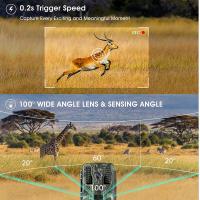
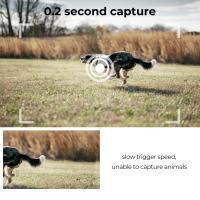
Many cameras at this price point come with faster trigger speeds, meaning there’s less lag between when the camera detects movement and actually captures the image. This can be a game-changer for capturing fast-moving animals that budget models might miss entirely.
Some of these cameras also start introducing the concept of wireless capabilities, such as Wi-Fi or Bluetooth for quick data pull. You may find trail cameras in this range particularly appealing if you’re serious about hunting game or need advanced surveillance for remote areas. They deliver solid reliability without making your wallet cry.
3. High-End Cameras ($250-$500+)
At the premium level, calling these devices "trail cameras" feels almost reductive. You’re stepping into the realm of powerful tools that could rival some professional-grade photography equipment—and maybe even dabble in security-system-worthy features. These cameras offer maximum resolution (20+ megapixels), ultra-fast trigger speeds, and smart app connectivity that allows you to monitor images, videos, and stats in real time from your smartphone.
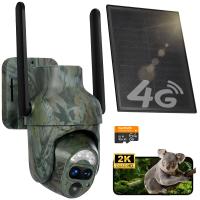
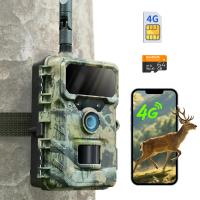
Cellular trail cameras dominate this price bracket. They allow you to receive photos instantly to your phone or cloud storage—whether you’re sipping coffee in your living room or trekking through the wilderness. Hunters use these devices strategically: they deploy a "set it and forget it" approach while still receiving critical updates about patterns in game activity.
Even better, the detection ranges on these elite cameras can hit 120 feet or more, making them perfect for sprawling landscapes. Such models also support advanced customization settings for time-lapse photography, temperature-sensitive triggers, and even multi-zone motion detection. This level is ideal for users who prioritize automatic monitoring over hands-on functionality—though the ongoing cellular service subscriptions for models with these features can subtly add to their real-world cost.
Breaking Down Features That Inflate Price
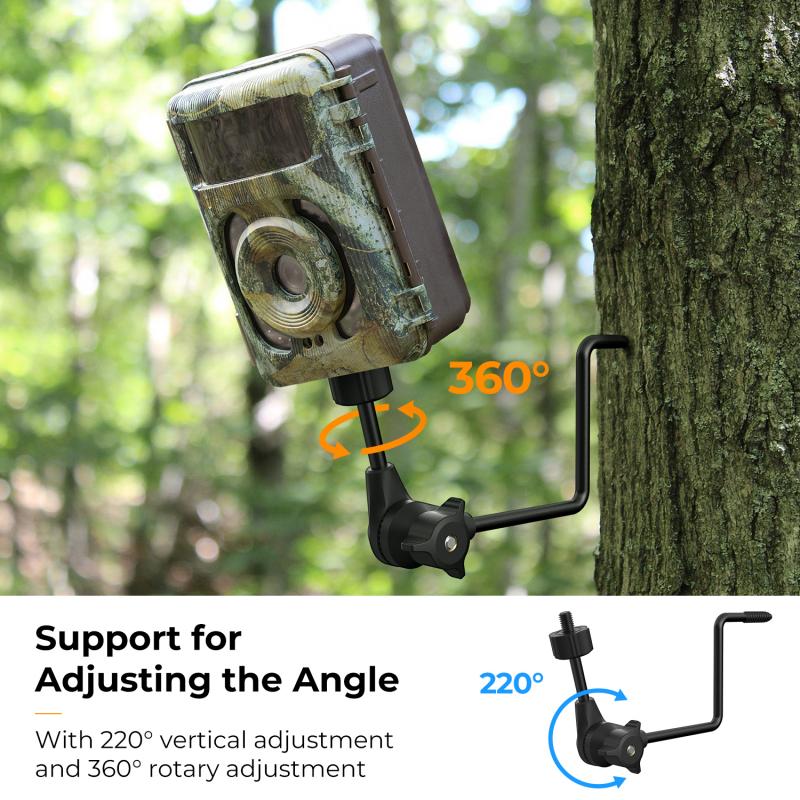
So, what exactly determines why one trail cam costs $50 while another sends your bank account into cardiac arrest? The answer lies in the technology and “shiny” factor. Let’s highlight key features that make a difference:
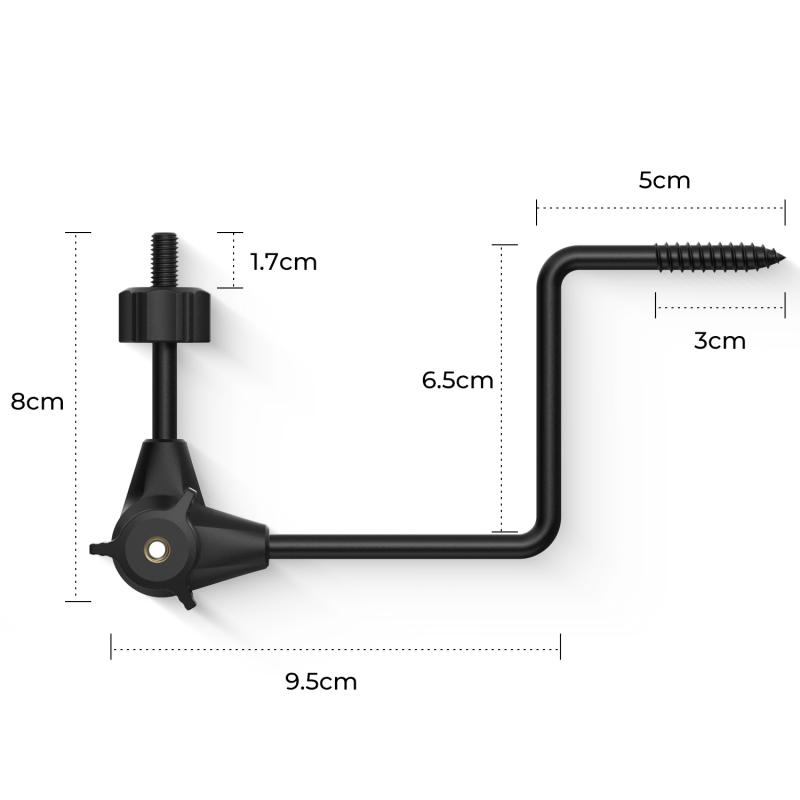
Resolution Quality: Megapixels matter, but so do accompanying technologies like image stabilization and field of view. Lower-end models tend to skimp on these, while premium ones excel at delivering sharp and immersive visuals.
Trigger Speed: High-speed hunting situations benefit immensely from cameras with sub-second trigger speeds. Meanwhile, slower cameras won’t miss stationary subjects but run the risk of lagging when wildlife makes a quick cameo.
Night Vision: Look for terms like "low-glow," "no-glow," or “infrared LEDs” if night surveillance is critical. Budget cameras might be grainy in low light; high-end models will give you those sleek deer snapshots even at 2 a.m.
Wireless Connectivity: Bluetooth, Wi-Fi, and cellular capabilities let you sidestep the hassle of physically visiting your camera location to retrieve SD cards. Prices rise steadily as connectivity options increase.
Durability: Hunting cameras are exposed to weather extremes, critter curiosity, and occasional human interference. Premium models feature rugged builds, waterproofing, and anti-theft mechanisms.
Battery Life: Some budget options gobble up batteries faster than an overeager raccoon finding your bait, whereas pricier cameras offer power-saving modes or external solar charging.
Why Spend More? And When Should You Stick to Budget Gear?
Determining what price—and features—to aim for largely depends on your intended use case. If you’re simply curious about wildlife activity on your property, spending over $100 likely won’t deliver significant additional value. On the flip side, conservation projects or serious hunting could benefit from more advanced tech.
Security is another consideration. For monitoring rural property for trespassers, thieves, or vandalism, cellular trail cameras in the higher price tiers seem worth every penny. You’re paying not just for hardware, but peace of mind.
Trade-Offs Aren’t Always Dealbreakers
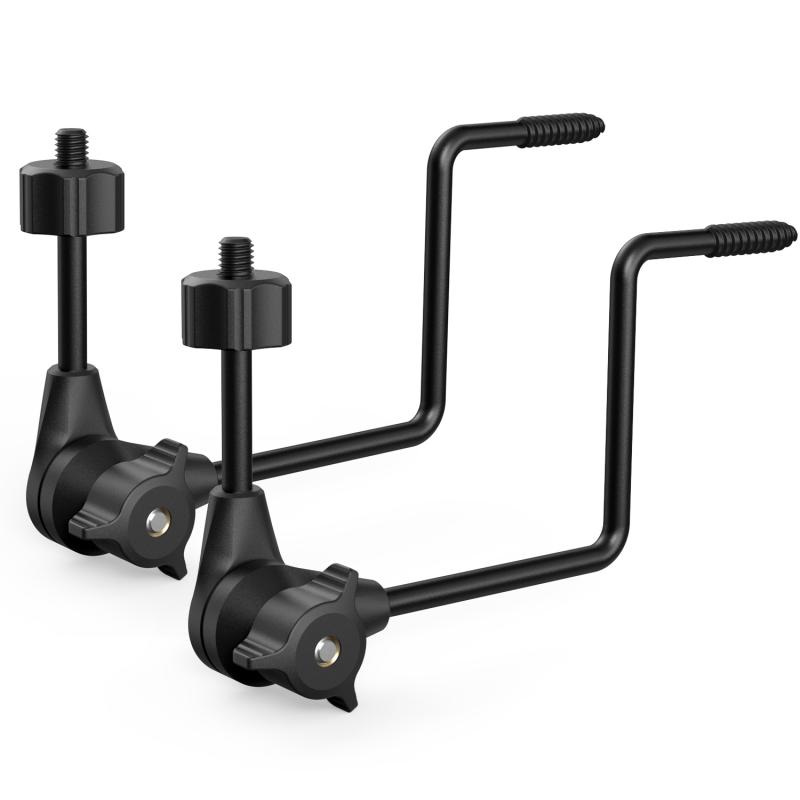
Here’s the kicker: A $60 camera might perform just fine for seasonal hunting or tracking animals, especially if conditions are forgiving. Similarly, older camera models (look for deals on discontinued lines) often deliver plenty of bang for your buck.
The trick is knowing what you actually *need*. If you don’t care about having HD-quality images of nocturnal animals or tracking every detail via a mobile app, premium models might be overkill.
Takeaway: Be Savvy About Spending
Trail cameras vary widely in pricing because they cater to dramatically different audiences, from backyard animal observers to industry professionals managing wildlife programs. Get clear on your goals, research specific models, and keep an eye on discounts or sales. A lower-cost camera might be reliable enough, while premium choices can elevate your experience if warranted.
Remember, no trail camera (or its price) can compensate for a lack of planning. Strategically placing cameras based on terrain or prey habits will often yield better results than splurging on features you don’t even end up using. Make your decision wisely—and happy tracking!