How To Clean A Camera Case?
Keeping your camera case clean is a seemingly minor but actually critical aspect of maintaining your photography gear. A dirty camera case not only looks unprofessional but can also cause more serious issues—dust, dirt, and debris can eventually migrate into your camera or lenses, causing maintenance headaches and potentially expensive repairs. Cleaning your camera case is not rocket science, but there is a right way to get it done efficiently without inadvertently wrecking your gear or the case itself.
Cleaning a camera case requires attention to detail, a bit of elbow grease, and the proper tools. Follow along, and let’s break down how to clean your trusty traveling companion, step by step, without turning it into an amateur science experiment or accidentally destroying it in your quest for purity. And yes, we’ll address both exterior and interior cleaning because, let’s face it, the crumbs from that snack at your last shoot are probably still lurking at the bottom of the case.
Step 1: Assess the Situation
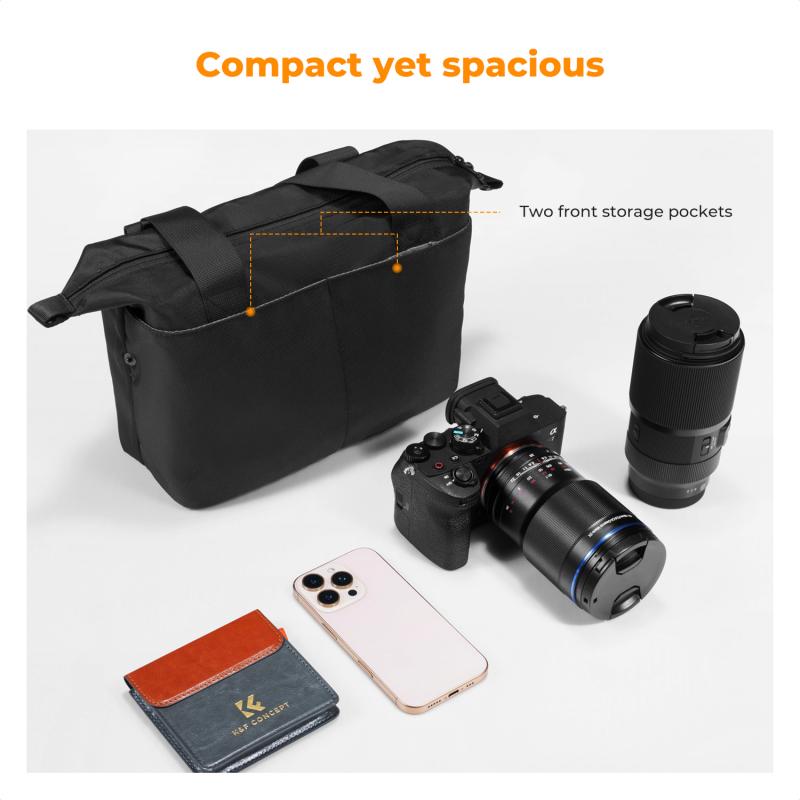
Before diving into the cleaning process, examine how dirty your camera case really is. Does it just need a quick dusting off or a full spa treatment? For cases that have simply gathered some dust or light debris, you can get away with a straightforward wipe-down. For heavily soiled cases—maybe you've gone hiking through mud or spilled coffee all over "your office on-the-go"—you’ll need a more involved process.
Step 2: Empty the Case Completely
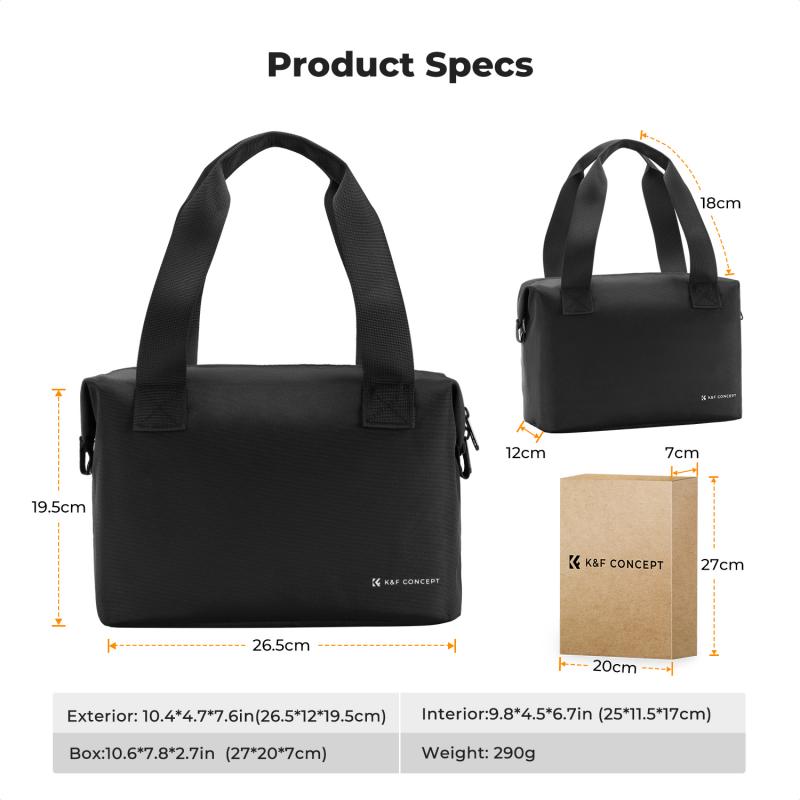
This should go without saying, but take everything out of your camera case before you start cleaning it. Lenses, batteries, memory cards, cables, and every other little accessory should be removed and set aside. You don’t want cleaning solutions or dust particles settling on your costly camera gear. Use this opportunity to inspect your equipment as well—because why not give it a visual checkup while you’re at it?
Small tip: Designate a flat, clean surface (like a table or desk) to organize everything you pull out of the bag. You don’t want to unceremoniously dump it all in a cluttered area only to lose track of items during the cleaning process.
Step 3: Shake It Out

Before diving into meticulous cleaning, hold your camera case upside down and shake it gently to dislodge loose dirt, crumbs, sand, or debris. Don't be overzealous—shaking violently doesn’t make you or your camera bag a superhero. Be patient as this step alone can clear out a surprising amount of grime.
If shaking isn’t cutting it, you can grab a small handheld vacuum (preferably one with a soft brush attachment) and gently vacuum the inside corners, nooks, and crannies. This is especially helpful if you’ve worked in environments where sand or fine dust gets into every crevice.
Step 4: Cleaning the Interior

Once you’ve removed the larger debris, focus on cleaning the interior fabric or padding. Camera cases often have padded sections for your gear, and these can harbor dirt and stains over time. Here's what you’ll need:
Materials:
- A soft, damp microfiber cloth
- Mild soap (like dish soap or laundry detergent diluted in water)
- A toothbrush for stubborn stains or fabric folds
Start by wiping down the interior with the damp microfiber cloth. Don’t soak the fabric—you’re cleaning, not rinsing it out like laundry. Use small, circular motions to remove smudges or dirt. For stubborn spots, dip the toothbrush into the soapy water and gently scrub without being aggressive; you don’t want to damage the foam or fabric lining.
Dry the interior fully before putting anything back inside. Use a dry microfiber or cotton cloth to absorb excess moisture, and let the case air out completely—this prevents mildew from forming.
Step 5: Exterior Cleaning
The exterior of your camera case likely faces the most abuse: dirt, water splashes, scuffs, and whatever else your adventures throw at it. Start by dusting off the outer layer with a clean microfiber cloth or soft-bristled brush to remove loose particles. For tougher dirt, you’ll want to use a damp cloth with mild soap solution, just as you did for the interior.
If your camera case is made of canvas or leather, follow the manufacturer’s guidelines for cleaning these materials. Using inappropriate detergents could damage the fabric or cause discoloration. For leather cases, you may want to invest in a specialized leather cleaner or conditioner to keep it supple and maintain its appearance.
Avoid using harsh abrasives or solvents for the exterior as these can weaken your case's structural integrity or ruin its finish.
Step 6: Dealing With Zippers and Seams
Zippers tend to collect dirt over time, potentially making them sticky or hard to operate. Use a small brush or even a cotton swab dipped in rubbing alcohol to clean zippers and seams. Be gentle, and avoid overloading the zipper with liquid to prevent it from seeping into the fabric around it. Once cleaned, apply a dab of zipper lubricant—or even graphite powder—to ensure smooth operation.
Seams are another tricky area. Dirt tends to accumulate in stitching, especially on outdoor camera cases. Use a toothbrush dipped in your mild soap solution to tackle these areas carefully.
Step 7: Odor Control
Let’s face it—if your camera case smells like the inside of a gym locker, you need to address that. Sprinkle baking soda inside the case and let it sit for a few hours to neutralize odors. Then vacuum it out thoroughly. For a quick fix, you can also use a fabric-safe odor remover spray, but make sure it’s completely dry before adding your equipment back in.
Step 8: Reassemble Your Gear
Once the case is clean and fully dry, it’s time to put everything back in. But not haphazardly—use this opportunity to reorganize! Check that your lenses have proper caps, batteries are charged, and cables aren’t tangling into a Medusa-like mess. A clean, organized camera case is the hallmark of a seasoned photographer.
Step 9: Regular Maintenance
Consistency is key. Spending five minutes cleaning your camera case after a shoot—especially if you’ve been in harsh environments—can save you hours of labor later. Keep a small cloth and a handheld vacuum handy, as well as a pouch of silica gel to absorb moisture.
Bonus: Tips for Preventing Dirt Build-Up
1. Protective Covers: If you frequently work in dusty or muddy conditions, consider using rain covers or dust shields for your camera case.
2. Avoid Food Storage: Don’t treat your camera case like a picnic basket. Food residue can lead to smelly interiors and attract bugs.
3. Elevate the Case: Whenever possible, avoid placing your case directly on wet ground or uneven, dirty surfaces. Use a platform or rest it on a clean tarp.
Your camera case doesn’t demand Michelin-star care, but proper cleaning goes a long way in extending its life and protecting your valuable equipment. Done correctly, the process can be unexpectedly satisfying—seeing a grimy, beat-up case transform into a spotless, professional-grade organizer is instant gratification for any photographer.
So, the next time you catch yourself tossing your camera case into the back of your car after a long shoot, remember that a little TLC can make all the difference. It's not just a bag. It’s your field assistant, your gear organizer, your protector of glass and circuits. Treat it like you mean business, because it will return the favor.