Can You Travel With A Carbon Monoxide Detector?
Portable carbon monoxide detectors are indeed permissible for travel, and it's worth cracking into exactly how and why you'd want one in tow. But let’s first establish the basics: carbon monoxide, the utterly sneaky gas with neither an odor nor color to betray its presence, takes on an uncomfortably silent role as a health risk when its concentration levels start climbing.
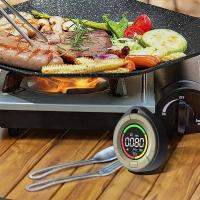
It’s produced by burning fuel found in heating systems, gas stoves, fires, and poorly ventilated engines. For homeowners, a detector is essentially a non-negotiable tool to fend off CO poisoning. But when traveling, especially to unfamiliar locales or accommodations, it’s often overlooked despite its potential to save lives. Let me walk you through why carrying one as part of your travel kit isn’t just feasible—it’s outright smart.
Why a Carbon Monoxide Detector Has Your Back When Traveling
Imagine booking a vacation rental with an older heating system. Or perhaps you spend the night in a rustic cabin with a wood-burning stove that lacks proper ventilation. Even modern hotels aren’t exempt; incidents of poorly maintained heating systems or blocked flues leading to CO exposure are sparse but notable. A simple detector could be the layer of defense that stays ahead of any troubling situation.
Additionally, CO poisoning symptoms—headache, dizziness, confusion—often mimic signs of being tired from travel or dealing with jet lag. Without a detector, you might attribute those feelings to an exhausting itinerary, not realizing they’re warning signs of exposure to the gas. And here’s the kicker: severe CO poisoning doesn’t give you bonus time to figure out what's happening. Immediate action is paramount, which is why having an effective alarm system is so crucial.
Types of Carbon Monoxide Detectors Fit for Travel
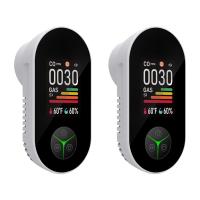
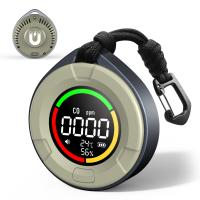
Not all detectors are designed with portability in mind, but travel-ready options combine compact design with solid functionality. There are three types worth considering:
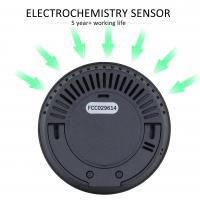
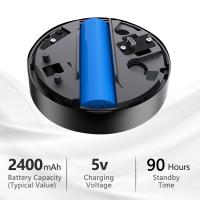
1. Battery-Powered Detectors: As their name suggests, they operate on batteries, giving you the flexibility to use them anywhere, without relying on power outlets. Look for models with long battery life and audible alarms that won't leave you guessing.
2. Plug-In Detectors: These are great for hotel rooms or rentals where a central power outlet is accessible. Some offer backup batteries for extra convenience.
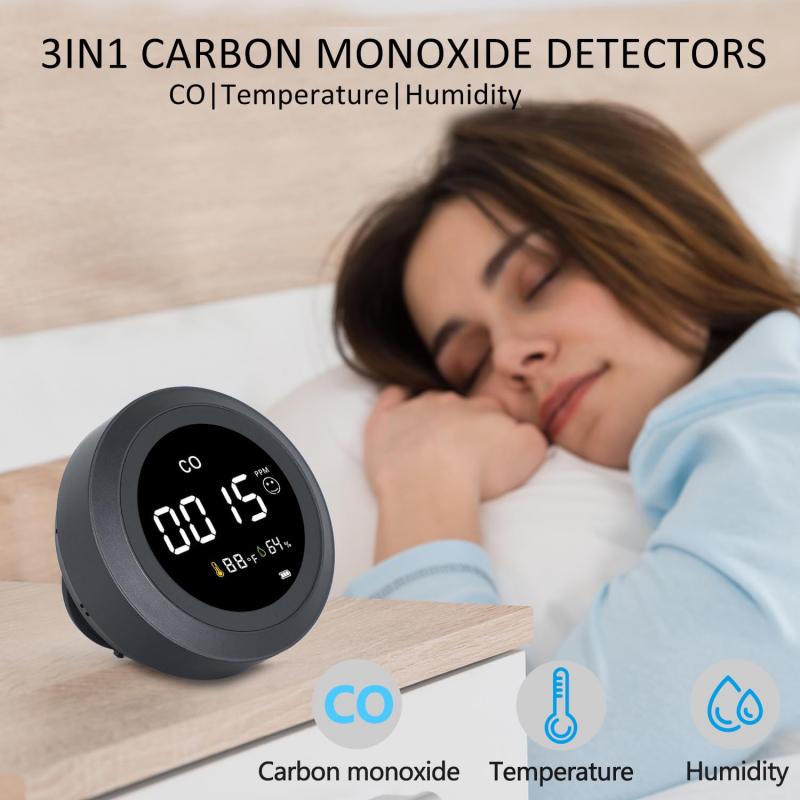
3. Combination Detectors: Some devices combine carbon monoxide detection with other environmental sensors, like smoke alarms. Multifunctionality is always a bonus, but ensure the CO detection aspect isn’t watered down for the sake of versatility.
What to Look for When Choosing a Detector
Before you casually toss a detector into your backpack, it’s worth evaluating its features to ensure it’ll perform well under all sorts of conditions. Here’s the checklist:
1. Size and Weight: Portability is a strong suit for travel detectors; you don’t need a hulking device that will add unnecessary bulk. Many lightweight models can fit unassumingly in a carry-on.
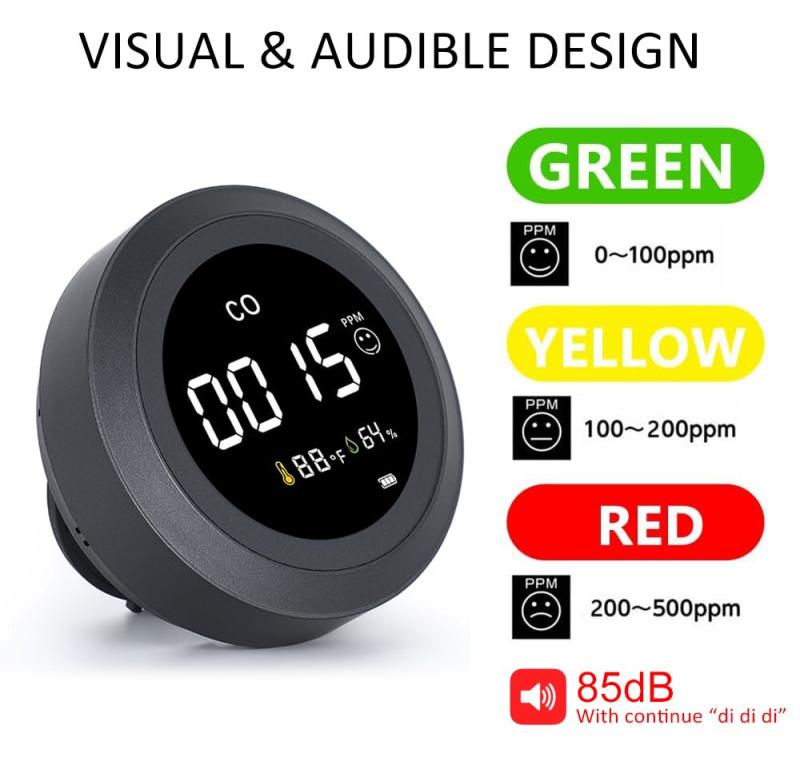
2. Alert Mechanism: Look for devices with loud alarms—travel environments can be noisy, and you’ll need the volume to cut through. Some models also offer visual indicators, like blinking lights.
3. Durability: A travel detector must withstand bumps and potential exposure to varying environmental conditions. Sturdy construction is a definite advantage.
4. Battery Life: If you’re in a location where battery replacements might be impractical, prioritize detectors with long-lasting power.
5. Certifications: Stick with models that meet standards set by safety organizations like Underwriters Laboratories (UL). Certified devices undergo rigorous testing to verify their reliability.
Air Travel Considerations: Can You Bring a Carbon Monoxide Detector on a Plane?
Good news: carrying a portable CO detector on a plane is hassle-free. It’s a non-restrictive piece of electronics that neither violates FAA regulations nor attracts unwanted scrutiny at security checkpoints. Battery-powered models are particularly travel-friendly because you won’t need access to a power outlet en route to your destination.
For rechargeable models, ensure the battery type adheres to aviation standards. Lithium-ion batteries often have specific watt-hour limits, so double-check your particular detector’s specs just to sidestep any minor airport drama.
When packing, opt for carry-on luggage to avoid inadvertent damage from rough handling during transport. It also keeps your detector handy for quick setup immediately after arriving at your accommodation.
Applying Strategy to Travel Situations
There's an artistry to using a CO detector effectively while traveling, and these situational strategies will keep your bases covered:
1. Hotel Stays: Place the detector near sleeping areas and away from windows where air circulation could dilute localized measurements. Hotels often advertise safety measures, but it never hurts to have your personal layer of protection.
2. Vacation Rentals: Older properties might not comply with modern building standards for ventilation, warranting extra vigilance. Remember to test your detector upon arrival and position it thoughtfully.
3. Remote Cabins/RVs: Enclosed spaces using fuel-based heating or appliances pose a heightened risk. Before unpacking, conduct a safety sweep of your accommodation armed with your detector to confirm it’s free of immediate hazards.
4. International Travel: In developing countries, infrastructure may not adhere to the safety requirements of more regulated environments. Always prioritize a functional detector over blind trust.
Practical Tips for Using a Detector Promptly and Effectively
So, your chosen detector successfully survived its journey to your destination—what next? Test it as you settle in. Most models feature a test mode to confirm functionality. This step, while seemingly trivial, seals your peace of mind and validates the detector’s readiness to perform when necessary.
Should an alarm activate unexpectedly, don’t linger to diagnose the issue. Exit the premises immediately, inform others, and contact appropriate authorities or facility managers. Carbon monoxide exposure demands swift intervention.
The Travel Benefits That Aren’t Entirely Obvious
Aside from its primary purpose, carrying a carbon monoxide detector can add an extra layer of credibility when communicating safety concerns. Picture this scenario: your detector signals high CO levels in a rental property. Reporting the issue becomes far more persuasive when you’re equipped with hardware-based evidence, prompting quicker response from management or emergency services.
Moreover, the presence and use of a detector showcase premeditated responsibility to companions. Whether you’re traveling solo, with family, or in a group, the proactive safety measure earns both respect and trust.
Conclusion: Value Wrapped in Simplicity
You wouldn’t dream of traveling without essential safety items like a first-aid kit or emergency contact numbers, but carbon monoxide detectors often fall under the radar when stocking travel gear. This lightweight device’s ability to preemptively address serious threats makes it worth considering for every kind of trip, from weekend stays to extended international forays. Ultimately, it’s one of those tools whose absence is rarely noticed—until you find yourself wishing you had one handy. Don’t give CO exposure the chance to claim that victory. Sail through your adventures equipped and assured.
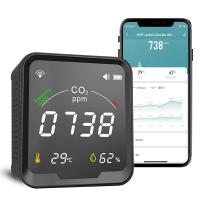
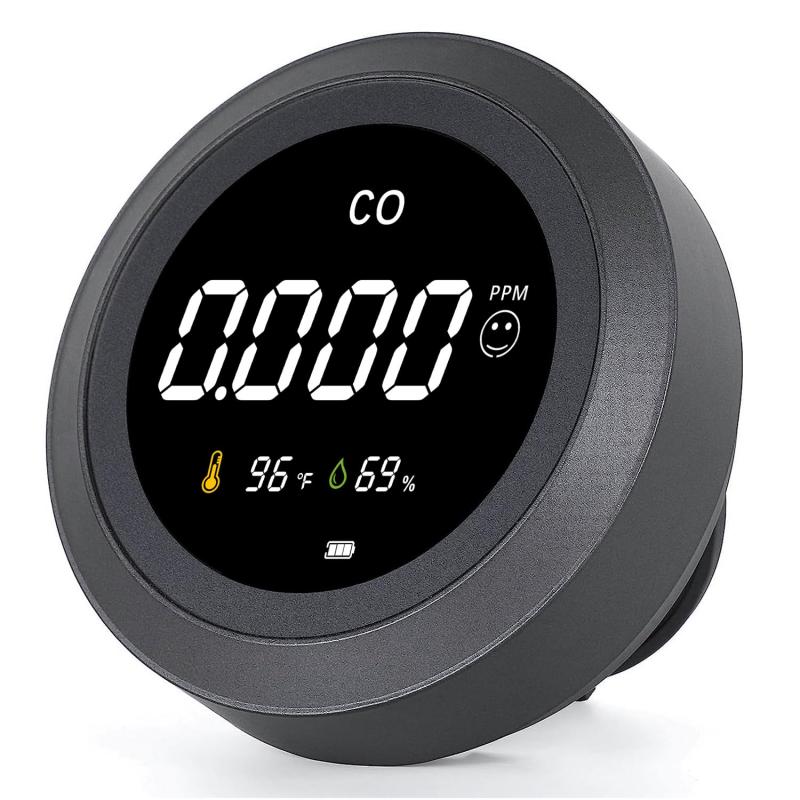
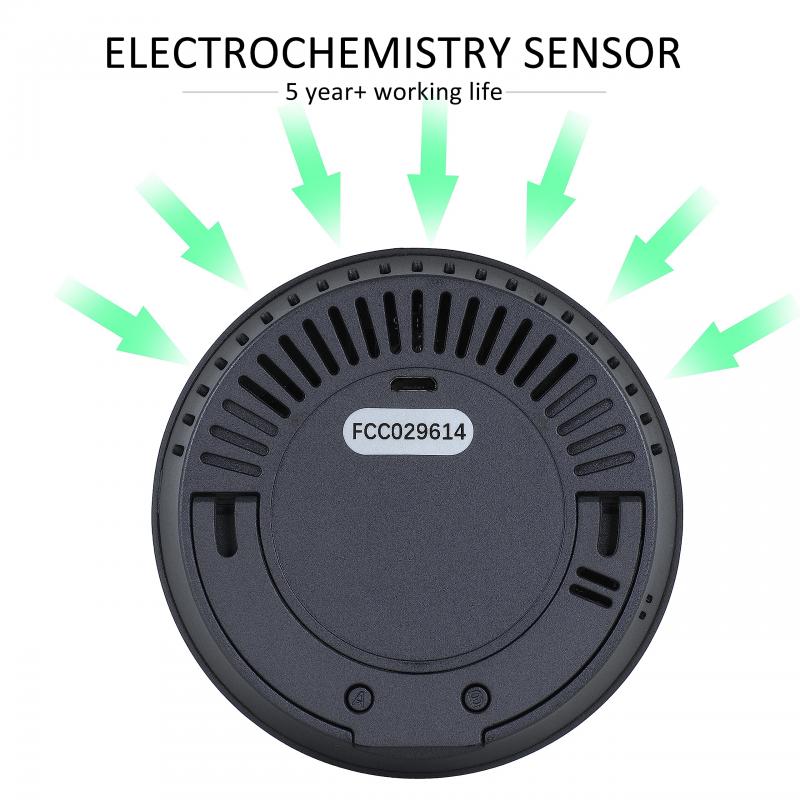
![Carbon Monoxide Detectors Portable Temperature Detector/Humidity Sensor/Air Quality Meter Smoke CO Gas Monitor [3 in 1] Alarm](https://img.kentfaith.de/cache/catalog/products/de/GW40.0007/GW40.0007-1-200x200.jpg "Carbon Monoxide Detectors Portable Temperature Detector/Humidity Sensor/Air Quality Meter Smoke CO Gas Monitor [3 in 1] Alarm")