Pet Surveillance Camera How Does It Work?
In today’s fast-paced world, pet owners are more concerned than ever about the well-being of their furry companions, especially when they are away. Staying connected to pets while away, ensuring their safety, and monitoring their activity has become easier with the advent of pet surveillance cameras. But how does a pet surveillance camera actually work? Let’s delve into the technology, features, and practical uses of these devices to answer this very question.
Understanding Pet Surveillance Cameras
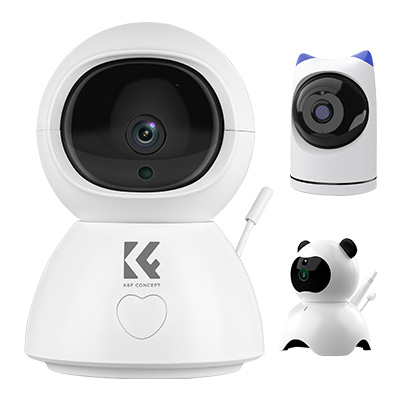
Pet surveillance cameras are essentially home security cameras designed with features tailored to monitor pets. While their primary function is to provide visual access to what pets are doing when their owners are not around, many advanced models come with additional functionalities like audio communication, treat dispensing, and behavioral tracking. These cameras combine hardware and software to give pet owners control, interaction, and insight into their pets’ well-being.
Components That Make Pet Cameras Work
To understand how pet surveillance cameras operate, it’s important to break down their core components:
1. Camera Lens and Sensors
The camera lens is the most fundamental part of the device. Most pet cameras use wide-angle lenses that capture a broad view of the room to ensure pets are always visible, regardless of their movements. Some advanced models employ image sensors capable of recording in quality ranging from standard definition (SD) to ultra-high-definition (4K). Additionally, infrared sensors are often included to provide night vision, allowing pet owners to keep watch even in low-light conditions.
2. Connectivity
Pet surveillance cameras work by connecting to a local Wi-Fi network. Through this connection, they transmit live video and audio feeds to the pet owner’s smartphone, tablet, or computer via a companion app. The integration of the camera with the internet is a central aspect of its functionality because it allows for real-time monitoring from virtually anywhere.
3. Mobile Applications
Most pet cameras come with dedicated apps that serve as an access point for streaming live feeds, sending notifications, and managing additional features. These apps provide user-friendly interfaces and customizable settings, which may include selecting video quality, enabling alerts for unusual activity, and reviewing saved footage.
4. Interactive Features
Many pet surveillance cameras include interactive features to foster engagement between pets and their owners:
Audio Communication: The camera may include a microphone and speaker, enabling two-way communication. This allows owners to talk to their pets and soothe them if they’re anxious or barking.
Treat Dispensing: Some models include treat dispensers controlled via the app. With a simple command, owners can reward their pets remotely.
Laser Pointer: Several cameras come equipped with laser toys that can be activated through the app, allowing pets to engage in play while owners aren’t at home.
5. Cloud Storage and Recording
Most modern pet cameras allow for video recording and cloud storage. By storing clips in cloud-based platforms, owners can replay footage to check how their pets behaved during the day or during specific times. Some cameras also provide local storage options such as SD cards.
6. Intelligent Features
Advanced pet cameras employ AI-driven solutions to improve monitoring capabilities. Some can recognize specific movements or behaviors, such as pet jumping, barking, or scratching furniture, and send alerts to the owner. Others offer facial recognition for distinguishing pets in multi-pet households.
How Pet Surveillance Cameras Work in Practice
When a pet camera is set up, it begins to function as an intermediary device between the pet and the owner. Here's a step-by-step breakdown of its operation:
1. Setup and Connection: The device is placed in a location where it can capture the ideal view of the room. It connects to the Wi-Fi network, and owners sync it with a mobile app to manage the camera settings.
2. Recording and Streaming: The camera lens captures real-time footage and encodes it digitally. Then, via Wi-Fi, it streams this feed to the cloud or the app in real time. Owners can log into the app anytime to view the feed.
3. Interaction and Alerts: When owners spot unusual behavior, such as excessive barking or destructive activities, they can use the interactive features to address the issue. If the camera is equipped with AI-powered behavioral tracking, it may send alerts based on predefined conditions (e.g., barking detected).
4. Analysis and Playback: Video clips recorded during the day can be accessed later via cloud storage for analysis. Owners can identify repetitive behaviors or ensure their pets were undisturbed while alone.
5. Behavioral Support: Utilization of treat dispensing or interactive play features can help address behavioral issues and engage pets with positive reinforcement.
Practical Benefits of Pet Surveillance Cameras
1. Peace of Mind
Pet owners typically feel reassured knowing they can check on their pets anytime. Whether at work, traveling, or running errands, the ability to monitor pets provides a sense of security.
2. Solving Behavioral Problems
For pets with separation anxiety or destructive tendencies, being able to monitor their actions and respond in real time can significantly improve behavior. Speaking to them through the camera or distracting them with treats can provide comfort.
3. Emergency Situations
In the event of any emergencies, such as a pet ingesting harmful substances or escaping the home, pet cameras allow owners to act quickly by monitoring the situation and notifying local authorities or veterinary assistance.
4. Multi-Pet Management
For homes with multiple pets, surveillance cameras allow owners to monitor interactions between pets. It helps ensure they are safe and not engaging in conflicts or messy behavior.
5. Health Monitoring
Tracking exercise or unusual behaviors like pacing can be a gateway to discovering underlying health issues. Some owners rely on pet cameras to observe subtle changes in their pets’ daily activities.
Selecting the Right Camera for Your Needs
When selecting a pet camera, there are several considerations to keep in mind:
Placement: Do you want a camera that can cover the whole room or focus on specific areas like the pet’s bed or crate?
Interactive Features: If you want to engage with your pet while away, opt for cameras with treat dispensers or audio communication.
Budget: Pet cameras range from basic models to premium ones with extensive features. Determine which functionalities are essential for your needs.
Ease of Operation: Ensure the setup and companion app are user-friendly, as complicated systems may deter regular use.
Durability: Pets may be curious and try to interact with the camera physically. Choosing a model resistant to knocks and scratches is ideal.
Limitations and Considerations
While pet surveillance cameras are highly beneficial, they come with a few limitations:
Connectivity Dependency: A stable Wi-Fi connection is crucial; without it, the camera may struggle to stream video or function.
Privacy Concerns: Like any connected device, pet cameras are susceptible to hacking if not secured properly.
Non-Replacement for Social Interaction: While cameras provide comfort and monitoring, they cannot replace the emotional value of in-person interaction between pets and their owners.
Learning Curve for Pets: Some pets may initially feel anxious or confused about hearing their owner’s voice or seeing treats dispense from an unfamiliar object.
Final Thoughts
Pet surveillance cameras are an extraordinary tool for modern pet owners, combining technology with the need for companionship and oversight. Whether you're ensuring your pet’s safety, managing anxiety, or simply catching them in adorable moments, these devices provide an invaluable window into your pet’s life while you’re away. By understanding how these cameras work and the features they offer, you can make the best choice for your pets and tailor their use to meet your specific requirements.
With increasing advancements in AI and interactive possibilities, pet cameras will only become more sophisticated, offering owners even greater opportunities to care for their furry friends remotely. For anyone looking to balance a busy lifestyle while maintaining a strong connection with their pet, surveillance cameras represent a thoughtful and effective investment.
-200x200.jpg "4G Solar Security Camera with WiFi Connection 2-in-1, 2PCS Kentfaith Outdoor Surveillance Camera with IP66 Waterproof Rating & 10X Optical Zoom")
-200x200.jpg "4G Solar Security Camera with WiFi Connection 2-in-1, 3PCS Kentfaith Outdoor Surveillance Camera with IP66 Waterproof Rating & 10X Optical Zoom")




-200x200.jpg "Trail Camera How Does It Work?")