How To Fix Camera Battery Door?
Fixing a camera battery door can seem like a daunting task, but in most cases, a bit of patience and the right approach can have you back to capturing memories in no time. Whether your camera is sporting a shattered battery door or the latch mechanism has been thrown off, this guide, rooted in both practical advice and tech-savvy solutions, has got your back.
Let’s address the elephant in the room: battery doors are critical—and oddly fragile—components. They might not house sophisticated circuitry, but they shield the beating heart of your camera: the power source. A broken or malfunctioning battery door can disrupt workflow, cause battery alignment issues, and even lead to potential damage from dust and moisture. Below, we break down repair strategies into practical steps based on the issues most commonly encountered.
Diagnose the Problem
The very first step in resolving any hardware issue is identifying the exact cause. A battery door can encounter several types of damage:
Cracked or Broken Plastic: Over time, wear and tear, accidental drops, or applying excessive pressure during removal can cause this.
Damaged Latch Mechanism: If your camera’s battery door pops open unexpectedly or refuses to stay closed, you likely have a latch issue. This could involve worn-out springs or misaligned closing loops.
Detached Battery Door: Did the door completely fall off? Don’t worry—this happens frequently and is reversible with the right tools.
Warped Fitting Issue: Occasionally, battery doors may warp slightly due to prolonged exposure to heat or forceful closure attempts.
Gather Your Tools
Depending on the nature of the problem, you’ll need some basic equipment. Here’s a solid starting list:
Plastic epoxy or bonding glue: For repairing cracks or reshaping broken pieces.
Precision screwdrivers: Cameras often include tiny screws that require delicate handling.
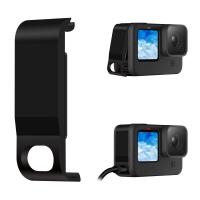
Replacement battery door: It’s possible to purchase an OEM replacement or third-party equivalent for your camera model online if your existing one is beyond repair.
Tweezers/needle-nose pliers: For handling minute components like springs.
Magnifying tool: A magnifying light can be invaluable when working with fine components or assessing subtle damage.
Step-by-Step Repair Guide
1. Cracked or Broken Door Repair
If the battery door has minor cracks but is still functional, applying plastic epoxy or superglue can do the trick. Follow these steps:
1. Clean the area: Use rubbing alcohol or a gentle cleanser to remove dirt, grease, and residue from the cracked surface.
2. Apply adhesive: Carefully apply epoxy or glue along the fracture lines. Avoid over-applying, as excess adhesive could interfere with the closing mechanism later.
3. Clamp and wait: Press the cracked parts together. Use clamps or a rubber band to hold them in place while the adhesive dries (typically 24 hours for full bonding).
4. Sand and polish (optional): Once everything is dry, use fine sandpaper to smooth out sharp edges or restore the original aesthetic.
2. Fixing a Misaligned or Broken Latch
The latch is often a small, delicate plastic or metal spring assembly, and improper alignment can cause the door to fail at its job. Here’s how you fix it:
1. Assess the spring or catch: Open the battery door carefully and check the latch mechanism under good lighting. Can you spot any broken pieces or loose springs?
2. Replace the spring if needed: Using tweezers or pliers, remove the damaged spring and replace it. These components are available online or can be salvaged from old cameras.
3. Realign the latch: Use a screwdriver or gentle tools to guide the spring and catch back into their proper positions.
4. Test its functionality: Before fully closing up the assembly, test the door several times to make sure it locks. Adjust and repeat if necessary.
3. Reattaching a Detached Battery Door
If the battery door has completely come off, don’t panic! Most modern cameras feature hinge-based battery doors that can be reattached. Do this:
1. Check the hinge points: Inspect the hinge slot on the camera to ensure it hasn’t been warped or chipped.
2. Align the door to the hinge: Slide the door carefully back onto the hinge track. This process requires patience—don’t force it, as camera plastic hinges can snap easily.
3. Secure with screws or clips: Some cameras also use screws or small clips along with the hinge. Tighten everything carefully.
4. Replacing the Battery Door Entirely
In cases of irreparable damage, invest in a replacement part. Here’s how to swap in a new one:
1. Source a replacement: Search for battery doors compatible with your camera model. OEM parts from the manufacturer are recommended, but reputable third-party sellers can also suffice.
2. Remove any retaining screws: Carefully unscrew any components securing the original door to the camera.
3. Attach the new door: Align the hinge and follow the instructions to secure the replacement.
Prevention Tips for the Future
While repairing your battery door restores functionality, wouldn’t it be nice to avoid the hassle altogether? Here’s how:
Protective Case Usage: Always use a shock-absorbing protective case when transporting your camera. Dropping it without protection is the #1 cause of battery door damage.
Gentle Handling: Battery doors are not supposed to require brute strength to open or close. If the mechanism feels stiff, investigate the problem early before forcing it.
Routine Maintenance: Inspect your camera periodically to ensure hinges aren’t loosening or becoming misaligned. Catching minor wear early prevents significant defects.
When Should I Call a Professional?
If you’re not confident in your ability to perform delicate repairs or encounter an error during disassembly, don’t hesitate to contact a professional camera technician. Professional repairs may cost you a bit more upfront but save you from potentially aggravating the damage. For high-end or flagship cameras, opting for manufacturer service centers ensures genuine parts and reliable repair.
By following the steps above, you can mend your wayward camera battery door with surprising ease. Remember, cameras may be intricate pieces of technology, but sometimes the solutions to everyday annoyances are far simpler than they appear. Take your time, ensure you have the right tools, and restore your camera’s protective armor with precision. Because hey, the battery door deserves love too—it’s just been too shy to ask!