What Is A Digital Camera?
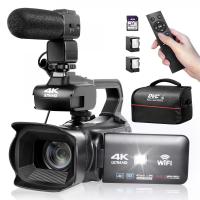
Digital cameras are extraordinary tools that have revolutionized the way we capture memories, tell stories, and explore creative expression. They are the bridge between analog photography's nostalgic beauty and today's digital convenience, offering a compact, technologically advanced device that uses electronic sensors instead of film to capture and store images. Behind the seemingly simple question "What is a digital camera?" lies a wealth of technology, design, and functionality ready to be explored.
At its core, a digital camera operates by capturing light through a lens and converting it into electronic signals using an image sensor. Unlike traditional film cameras, which chemically imprint images onto physical film strips, digital cameras store information digitally. This structure enables countless modern conveniences, such as instant preview, editing, and sharing of images—a concept most of us now take for granted.
How Does a Digital Camera Work?

To understand how digital cameras operate, let’s break down their components and processes:
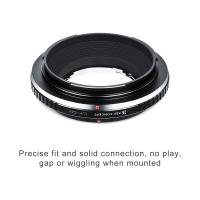
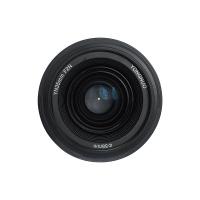
1. Lens and Aperture: The lens, often adjustable or interchangeable depending on the type of camera, focuses light onto the image sensor. The aperture, a movable diaphragm within the lens, controls how much light is allowed to pass through. A larger aperture lets in more light but reduces the depth of field, whereas a smaller aperture maintains sharpness across the entire image.
2. Image Sensor: This is the heart of a digital camera. Typically either CMOS (Complementary Metal-Oxide Semiconductor) or CCD (Charge-Coupled Device), sensors convert incoming light into electrical signals. Pixels, the tiny units that make up digital images, reside on these sensors, with higher pixel counts translating to higher image resolution.
3. Processor: The camera's processor, often referred to as the "image engine," is responsible for turning those electrical signals from the sensor into an actual image. It applies algorithms and calculations to adjust color, reduce noise, and optimize sharpness—all in fractions of a second.
4. Display Screen and Viewfinder: Most modern digital cameras include LCD screens to instantly review captured images and change settings. Advanced models may also come with electronic viewfinders that simulate the optical view provided by traditional cameras.
5. Storage Medium: Forget about film rolls—it’s all memory cards these days. Digital cameras rely on SD cards, CF cards, or other types of flash storage to hold thousands of images that can later be transferred to a computer or other device.
6. Battery Power: Since all these components rely on electricity, your digital camera needs frequent charging or battery replacements.
Types of Digital Cameras
One size does not fit all when it comes to digital cameras. Depending on what you’re looking for—whether it’s professional-grade shots or portability—there’s likely a specific type of camera that suits your needs:
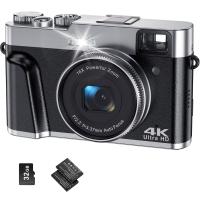
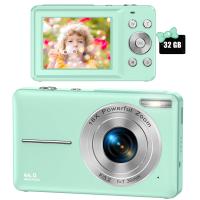
Compact Cameras: Sometimes referred to as point-and-shoot cameras, these models are great for casual photographers seeking ease of use. While they lack manual controls and advanced optics compared to larger models, they still offer decent image quality for day-to-day snapshots.
DSLR Cameras: Short for Digital Single-Lens Reflex cameras, DSLRs offer interchangeable lenses and robust manual controls. They appeal to hobbyists and professionals alike who demand precision, versatility, and performance.
Mirrorless Cameras: Similar to DSLRs in functionality but without the bulky mirror mechanism, mirrorless models are lightweight, often quieter, and still pack exceptional visual punch.
Action Cameras: Designed for durability and portability, these are ideal for capturing extreme sports or outdoor adventures. They’re compact, waterproof, and capable of withstanding rugged conditions.
Smartphone Cameras: Although not technically standalone digital cameras, smartphones come equipped with sophisticated imaging technology that rivals many point-and-shoot cameras.
Medium Format and Specialty Cameras: Designed for commercial or artistic photography, some medium-format models offer unparalleled resolution, depth, and dynamic range.
The Evolution of Digital Cameras
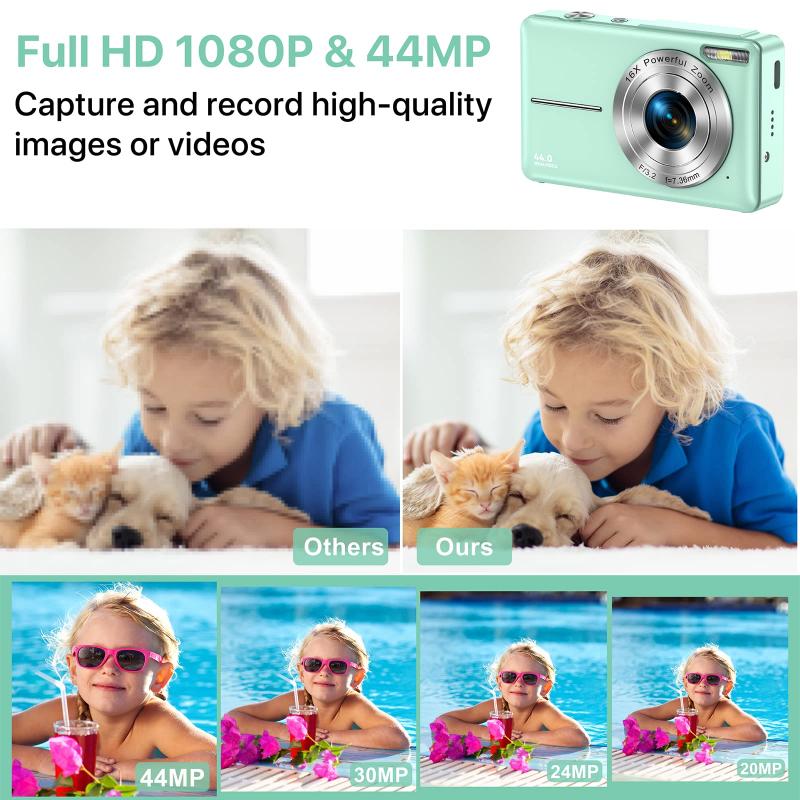
The digital camera has come a long way since its inception. Early digital cameras in the 1990s were bulky, restrictive in resolution, and prohibitively expensive for most consumers. Advances in image sensors, storage media, and connectivity have led us to today's sleek models capable of producing crisp 4K videos and stunning 50-megapixel photographs.
Interestingly enough, while mirrorless and compact cameras continue to dominate amateur and semi-professional markets, professional photographers often still prefer DSLRs for their reliability and ruggedness. Simultaneously, smartphone cameras are blurring the line by offering computational photography features like portrait modes and night settings—areas that most traditional cameras struggle to replicate due to hardware limitations.
The Role of Digital Cameras in Modern Life

Here’s where digital cameras go beyond being just gadgets. They’re cultural artifacts, artistic tools, and functional necessities all rolled into one. Consider the following aspects:
Personal Creativity: With manual controls over exposure, shutter speed, and lenses, digital cameras offer practically unlimited creative possibilities—even for beginners.
Social Media and Connectivity: Whether it’s Instagram reels, wedding photographs, or remote video conferencing, digital cameras revolutionized the way we share our lives and interact with the world.
Professional Use Cases: From stock photography industries to journalism and scientific imaging, digital cameras form the backbone of numerous professional domains.
Education and Curiosity: It's not just about capturing moments; digital cameras allow students, travelers, and researchers to document surroundings like never before.
The Wacky Debate: Are Smartphones Replacing Digital Cameras?
This controversy has expanded in recent years as smartphone cameras ramp up technological innovation. Here's the deal: while smartphones have become powerful competitors, digital cameras remain the gold standard for certain use cases. Professional photography, long-range zooms, astro-imaging, and intricate studio photography are areas where even the swankiest smartphone cameras simply cannot compete.
That said, there’s no denying the convenience of smartphones for casual photography. The ability to share your image in real-time and edit it seamlessly trumps the otherwise "slow" workflow of digital cameras. Techies who love debating this might liken the battle to classic vinyl vs. Spotify—neither will fully replace the other, but both excel in unique domains.
Buying Tips: How to Choose the Right Digital Camera
Shopping for a digital camera can quickly become overwhelming due to the sheer volume of choices available. Here’s how to simplify your decision:
1. Determine Usage: Are you looking to document family vacations, shoot wildlife, or delve into professional studio work? Your intended purpose plays a significant role in determining the type of camera you need.
2. Budget: Digital cameras have a wide price range, so knowing your budget upfront will help narrow down your options.
3. Specs Matter: Pay attention to image resolution, ISO range (light sensitivity), lens compatibility, and processing speed.
4. Size and Portability: Consider whether the physical bulk of a DSLR outweighs the convenience of compact cameras.
5. Test Before Buying: If possible, try handling and testing various models at a store. Familiarizing yourself with the interface and ergonomics can save you from buyer’s remorse.
Final Thoughts
Digital cameras are marvels of modern engineering—a fusion of optics, electronics, and creativity. They’re more than tools for capturing images; they’re gateways to artistic adventures, historical preservation, and technological exploration. Whether you cherish vintage aesthetics or crave cutting-edge precision, digital cameras will empower you to capture the world from angles most eyes would miss.
So, next time you snap a photo or frame a breathtaking landscape shot, take a moment to appreciate the intricate machinery working behind the scenes. The real magic, after all, isn’t just in the pixels—it’s in your own ability to wield this technology and document life as it unfolds.