Which Binoculars For Children?
The world is full of fascinating sights waiting to be discovered by young, curious minds. Binoculars are not just tools for magnification; they’re keys to unlocking a world of exploration, observation, and adventure for children. Picking the right pair for your little one isn’t as simple as grabbing the cheapest thing off the shelf—it requires precise attention to ergonomics, safety, optical quality, and durability. Let’s navigate this jungle of lenses, prisms, and grips to help your child expand their horizons.
Understanding Magnification Mythology
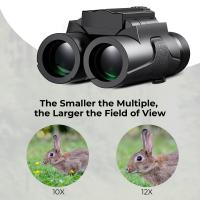
The first thing beginners often focus on is magnification, designated by numbers like 8x30 or 10x25. While it may seem tempting to go for higher magnification, resist this urge! For children, a magnification between 6x and 8x strikes the perfect balance. Anything higher will amplify hand shakiness, leading to a jittery view that frustrates rather than fascinates. Smaller magnifications also offer a wider field of view, making it easier for kids to spot and follow moving objects like birds or squirrels.
For example, an 8x magnification paired with a 30mm lens size (like 8x30) offers the ideal sweet spot. It provides enough zoom to catch details, but not so much that your child struggles to keep the image steady. This balance allows them to feel competent and enjoy the experience without the frustration of blurry or unstable images.
Kid-Proof Durability: The Non-Negotiable Criterion
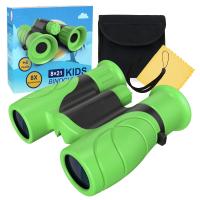
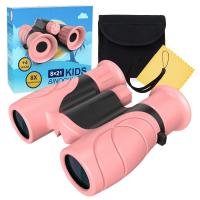
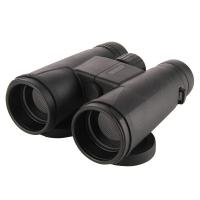
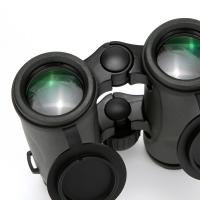
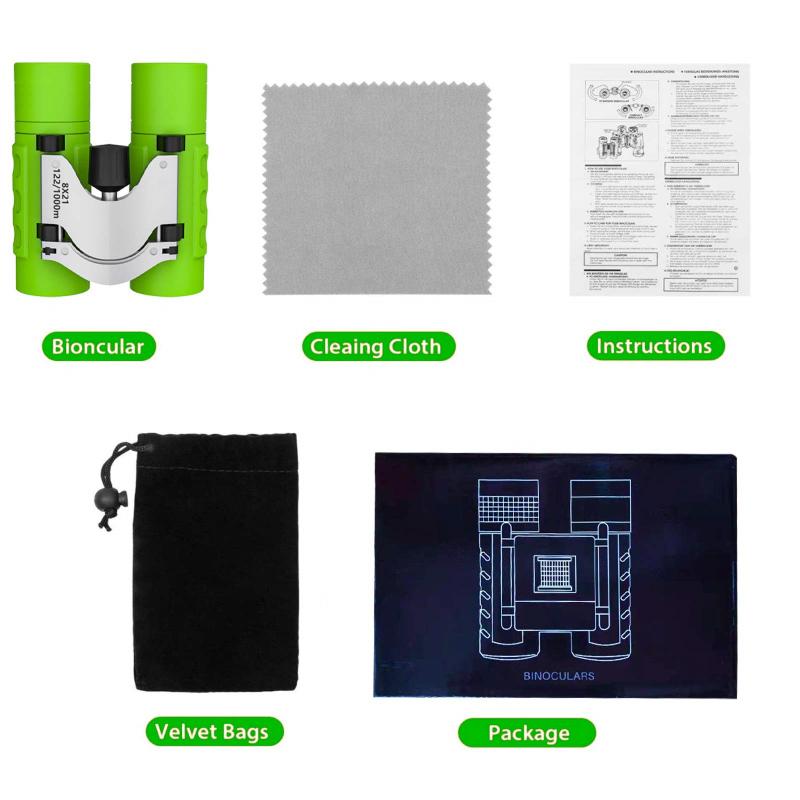
Let’s face it—children are not known for their gentle handling of gear. This is why durability takes center stage. Opt for binoculars encased in a rubberized armor. Not only does this feature absorb the impact of accidental drops, but it also offers a non-slip grip for smaller, less dexterous hands. Additionally, always check for models with reinforced eyecups—often made of soft rubber or silicone—to protect kids from bruising their faces during prolonged use.
If you’re shopping for binoculars that can survive the Great Backyard Jungle Safari or the Daily Couch Drop Test, brands like Bresser or Kidwinz have excellent child-friendly models equipped with robust designs.
Simplifying Optics for Young Eyes
Children’s binoculars should have adjustable interpupillary distance (IPD)—the distance between their eyes—to ensure they can comfortably use the device. Adult binoculars often lack this adjustability, leaving kids struggling with blurry or split images. Choose models specifically designed for smaller faces.
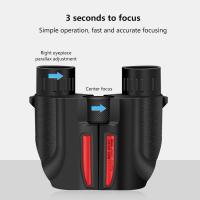
Another overlooked feature? Focus mechanisms. Traditional center-focus wheels are great, but children often find individual eyepiece focus systems confusing. A simple yet reliable center focus mechanism allows them to quickly zero in on their animal—or alien—in question, without needing parental assistance every five minutes.
Weight Isn’t Just a Physical Test
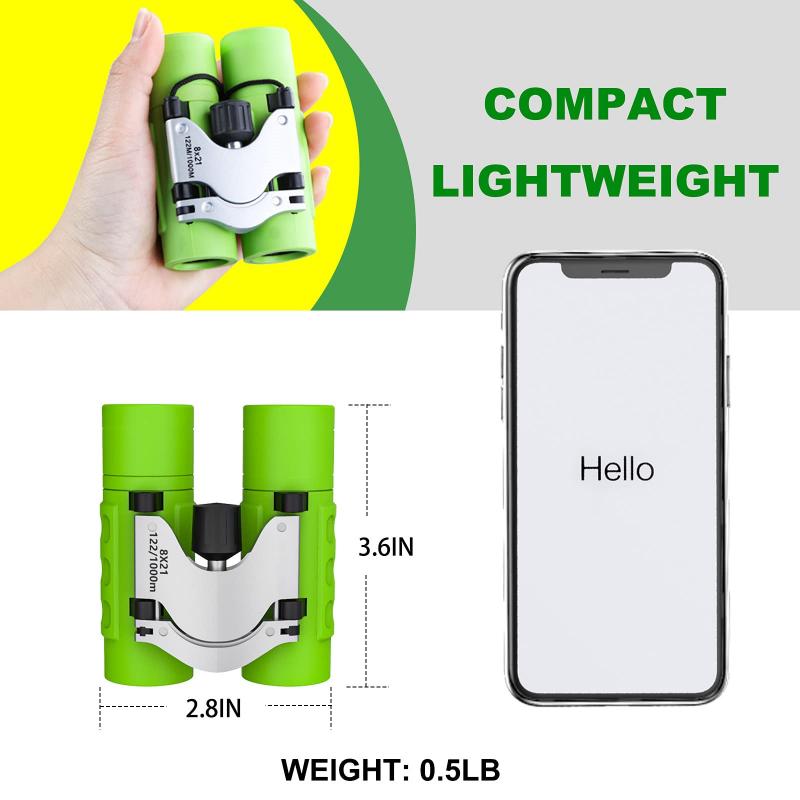
Imagine handing your child a pair of binoculars that might as well be labeled "dumbbell substitute." Weight matters. Heavy pairs cause fatigue and frustration, which will quickly detour them from their new hobby. Aim for binoculars weighing under 12 ounces (about 350 grams) to keep them light enough for prolonged use. Anything more and you’ll find your child leaving the binoculars on the picnic blanket while they run off on foot—and that defeats the purpose!
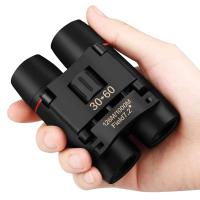
Compact designs are the real MVPs here. Models like the Carson Hawk or National Geographic 6x21 binoculars shine for being lightweight yet durable.
Safety First: The Eye of the Beholder
Ever had a pair of binoculars that pinched your nose or pressed painfully against your brow? Now imagine something similar happening to your child’s developing face. Comfort and safety need to be core considerations. Rubber eyecups are a valuable feature, offering both protection and comfort. Additionally, steer clear of binoculars with sharp-edged plastics or poorly assembled components—those are accident-prone disasters waiting to happen.
An extra tip for adventurous families: look for water-resistant binoculars. Kids have an uncanny ability to add surprise elements—like a stream, heavy dew, or even accidental water balloon impacts—to any adventure. Waterproof coatings or sealed bodies ensure that these incidents don’t leave their new gear in ruins.
The Case for Prism Perfection
When diving deep into the intricacies of optics, decisions about prisms—those clever little glass pieces inside binoculars—can feel overwhelming. But here’s the deal: for children, choose models using roof prisms instead of Porro prisms. Roof-prism designs tend to be more compact and ergonomic, perfect for small hands. Porro prisms, while offering excellent image quality, are bulkier and heavier—less desirable for pint-sized birdwatchers.
Keep in mind, however, that some Porro-prism binoculars (especially in the 6x to 8x range) provide superior depth perception and three-dimensional views. If your child is older or particularly detail-oriented, they may prefer these despite their extra heft.
The Indoors-Ready Option: Adjusting for Close Focus
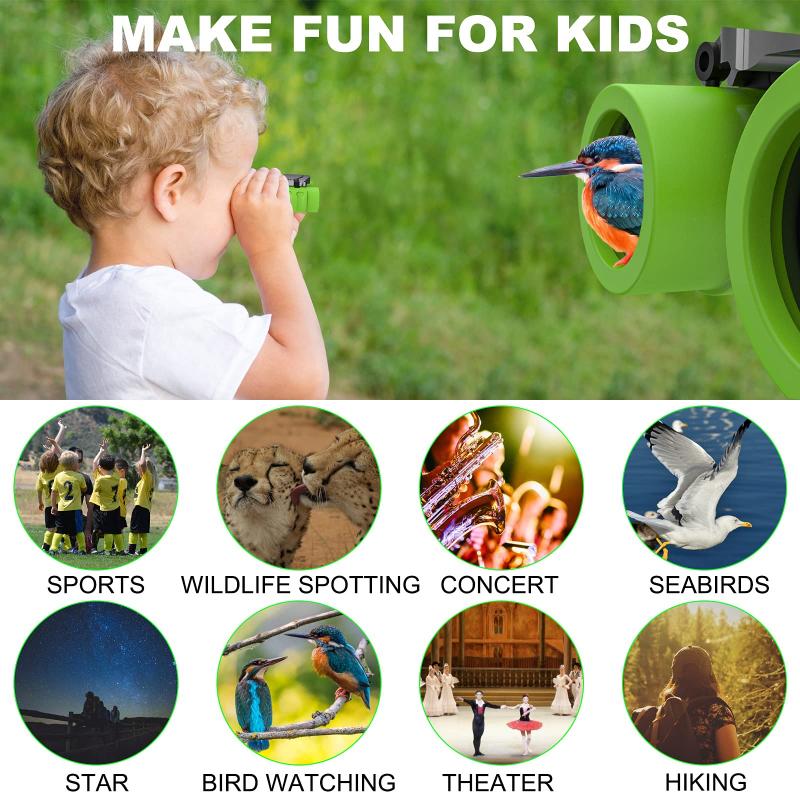
Kids are not always mesmerized by mountains or birds in flight. Sometimes, a beetle crawling on the bark of a tree or a flower petal's dew coverage captures their attention. To cater to this, choose binoculars with a close focus of less than 10 feet (3 meters). This lets your child explore both the large-scale world and its microscopic intricacies without compromising on sharpness.
Budget-Friendly Versus Budget-Busting
You’re probably wondering: how much should I spend on this high-tech adventure gear? While it’s tempting to buy the cheapest pair available, you absolutely want to dodge the glorified toy binoculars—those produce blurry images, frustrating mechanisms, and more tears than smiles. On the flip side, kids don’t need cutting-edge, military-grade optics either.
Many excellent models range between $30 and $75, striking the perfect balance between affordability and quality. Brands like Bushnell, Kidwinz, and Educational Insights all produce reliable, kid-centric options.
Accessories That Make You the MVP Parent
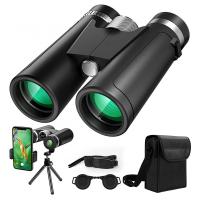
Binoculars are awesome, but complementary accessories can elevate your child’s exploration game even further. Consider a neck strap with padding to prevent skin irritation. A durable carry case safeguards their gear during transport (bonus points if it’s waterproof). And binoculars with an integrated compass or bird guidebook? You’ve just turned a backyard stroll into a full-blown expedition.
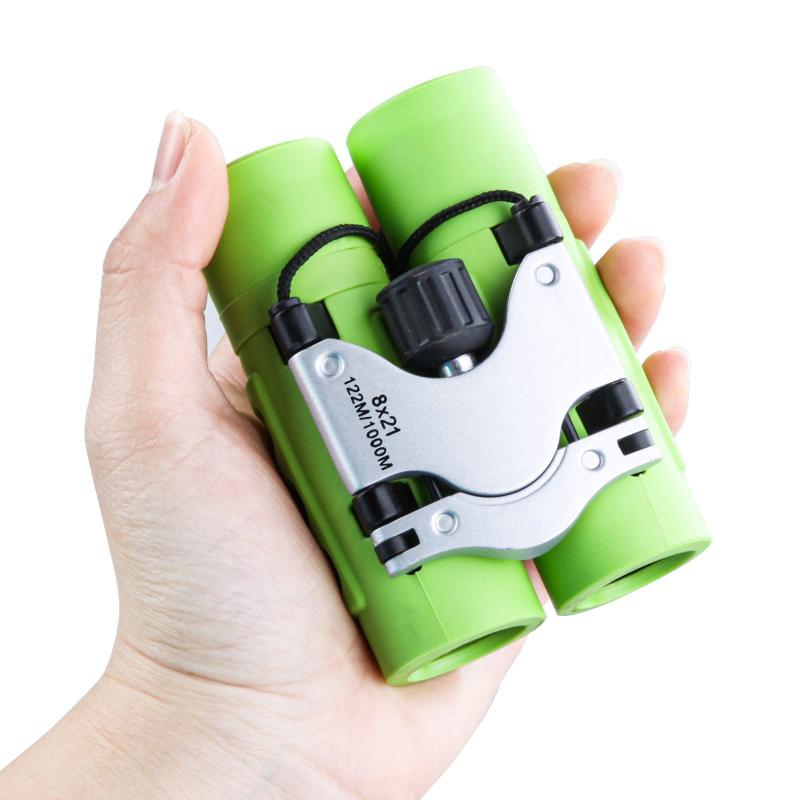
Finally, don’t underestimate the power of "stuff ownership." When your child has their own binocular setup, including personalized accessories, they’re more likely to take care of it and stay engaged.
Bringing It All Together
Giving children their first taste of magnified exploration is not just an investment in technology—it’s an investment in curiosity, imagination, and observation skills. Providing gear that balances safety, comfort, durability, and exceptional optics helps plant seeds for a lifetime love of learning and exploring the world.
And let’s not forget: binoculars are more than a piece of equipment. They’re a passport to seeing wonders invisible to the naked eye—a lunar crater, a bird’s shimmering feather, or a deer milling silently in the distance.
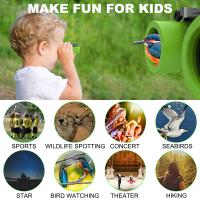
So, get ready. Whether it’s stargazing, birdwatching, or simply spotting a distant playground slide, you’re opening up vast landscapes for your little ones—and maybe even encouraging the next great naturalist in the process.