Which Selfie Stick?
Let’s face it: we’re all guilty of trying to look cooler than we actually are. A selfie stick is like the adult version of crayons—arguably useful but mostly just fun. Whether you’re capturing vacation vibes, framing the perfect group shot, or shamelessly taking pictures for the ‘gram, choosing the right selfie stick can elevate your amateur photography game to pro-level compositions. But beware—buying a selfie stick that doesn’t fit your needs could turn your perfectly planned aesthetic into a chaotic mess of awkward angles and cropped-out friends.
So, let’s cut through the noise, the glossed-over marketing claims, and the thousands of options on Amazon to find out: which selfie stick is *actually* the right one for you?
Compatibility Check: Your Phone Is the Boss
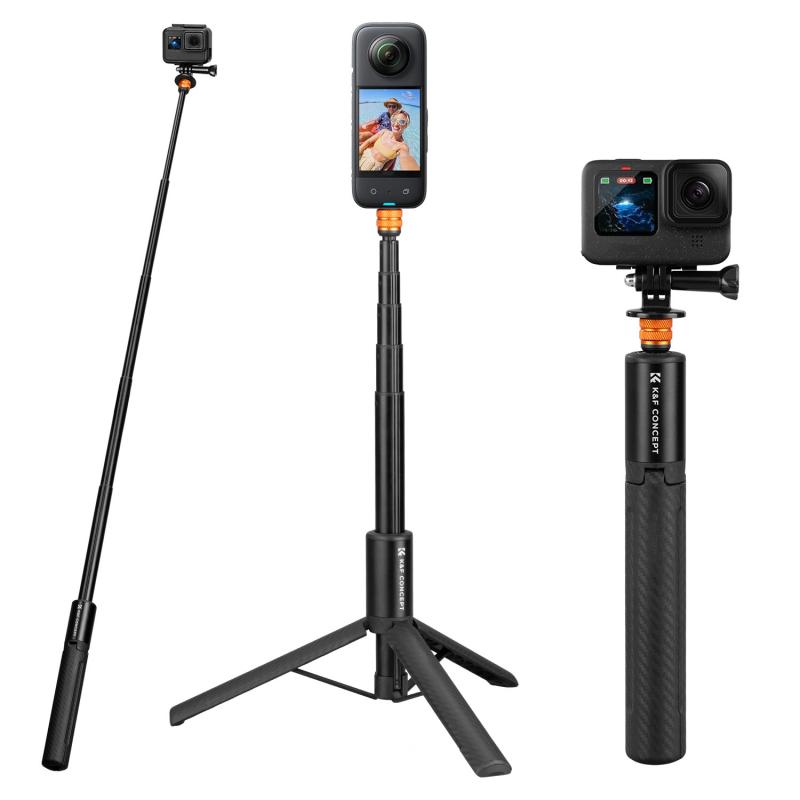
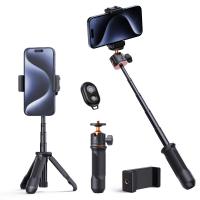
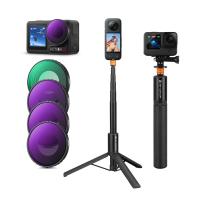
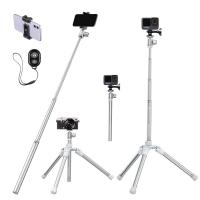
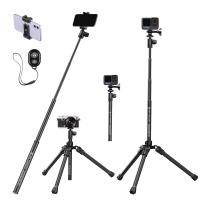
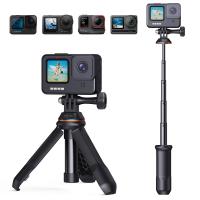
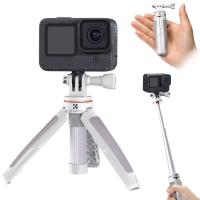
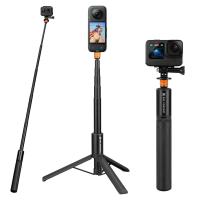
If your selfie stick is like a trusty sidekick, then your phone is the superhero who runs the show. Not all selfie sticks are compatible with every smartphone, so your first step should be ensuring that your device fits comfortably within the clamp or mount. Check the specs. For instance, larger smartphones like the iPhone 14 Pro Max or Galaxy S23 Ultra have beefy dimensions, so you’ll want a stick with an adjustable width that doesn’t pinch your $1,000 investment into a death grip. On the other hand, if you’re rocking a compact device—or even experimenting with a GoPro—ensure the selfie stick has interchangeable mounts or adapters.
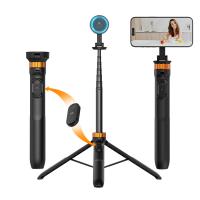
Bonus points go to those models that offer versatility with adjustable mounts for landscape or portrait shots, ensuring you won’t have to contort your arm into gymnastic angles.
Is Bluetooth Really Necessary?
Bluetooth connectivity has become a buzzword in selfie stick marketing, but the reality is, it’s not always a need. Ask yourself: “Do I *really* want a selfie stick cluttering up my list of Bluetooth-connected devices?” The answer may be “No” if you’re comfortable with a more analog approach.
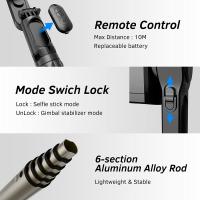
Basic selfie sticks often come with a wired shutter button connected via a 3.5mm audio jack—yes, that’s still a thing in 2023 for some phones—or a detachable remote. If convenience is your game, Bluetooth-triggered shutter release is undeniably helpful for wireless photography, particularly for group shots or long-distance compositions.
For anyone who’s a frequent traveler or social media creator, Bluetooth-enabled selfie sticks are an investment worth making. But if you’re looking to snap the occasional backyard barbecue pic or stadium selfie, a simpler option could save both money and unnecessary tech headaches.
The Telescoping Magic: Length and Sturdiness
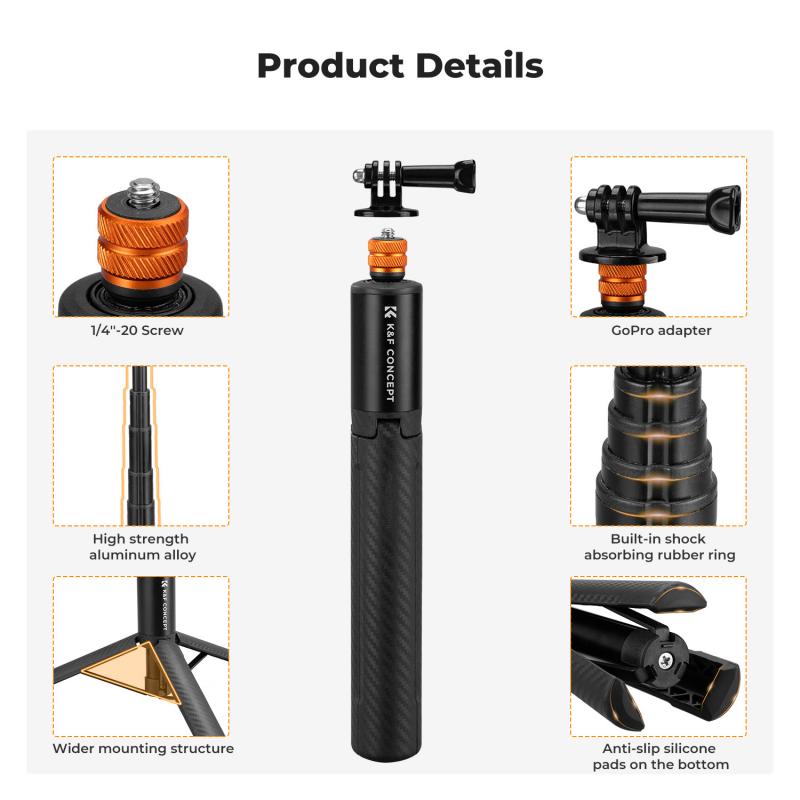
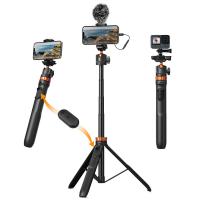
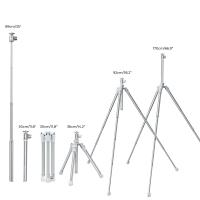
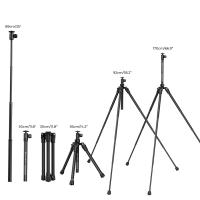
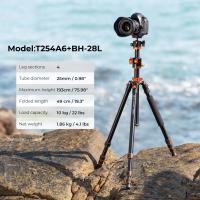
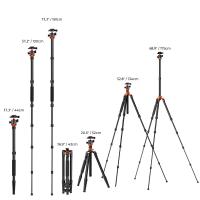
Your selfie stick’s length matters, but not for the reason you might think. Sure, extending it to the max (sometimes up to 130 cm) might seem like you’re capturing panoramic glory, but ultra-long selfie sticks often sacrifice stability. Nobody wants blurry photos or seeing their phone take a nosedive because the stick is wobbly. Check for sticks made with sturdy aluminum or reinforced materials that offer solid balance even at full extension.
Just as critical is the collapsed length. If you’re using this for travel, a bulky selfie stick can feel less accessory and more luggage. Look for a compact, foldable design that can tuck neatly into your backpack or oversized coat pocket.
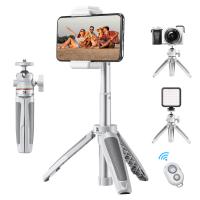
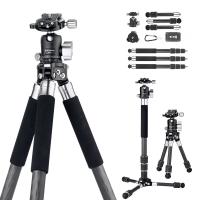
As a bonus, some models double as tripods. If you’ve ever tried to prop your phone up against a random rock to capture your outdoor yoga pose, you’ll know exactly why that could save you from many logistical nightmares.
The Wild World of Extras
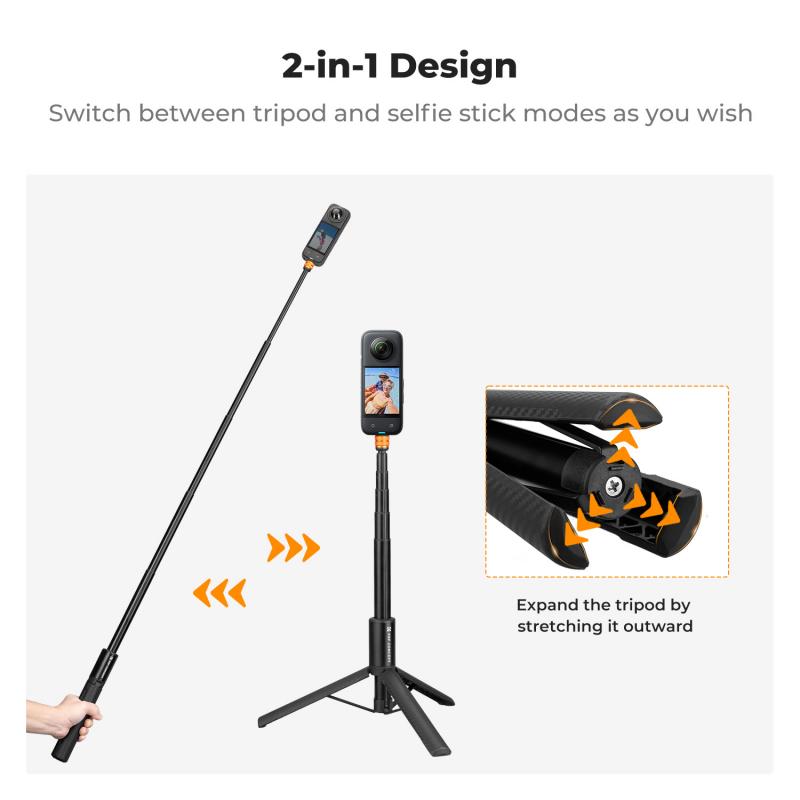
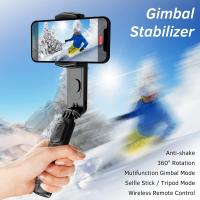
Today’s selfie sticks are less about just extending a pole and more about becoming multifunctional gadgets that scream, “I have my priorities straight.” How about one with an integrated flashlight for better low-light selfies? Or maybe you’re eyeing models featuring 360-degree rotation—perfect for TikTok creators who want to ace the dance-shot game. Extendable monopod sticks affiliated with stabilizers (read: gimbal-style technology) take your motion shots to ludicrously smooth levels.
Some even offer magnetic mounts, which could make snapping photos with gloves on during winter bearable. While it may feel like feature overload, extras like these can help seal the deal depending on your specific needs—and okay, they might be fun to brag about.
Price Point Reality Check
Ah, pricing. Should you spend $10 on a generic no-name model or invest $100 in a professional-grade stick? It all depends on what you’ll be using it for. Here’s a quick breakdown:
Budget-Friendly Trying-Kinda-Products ($10–$20): Lightweight, simple, and likely just fine for casual Instagram photos. However, don’t expect durability or high-tech features. These often feel flimsy at full extension.
Mid-Range Magic ($30–$50): Bluetooth connectivity, reinforced materials, and decent compatibility with most devices are the name of the game here. You can generally trust these for short-term travel and events without worrying too much about snapping them in half.
Top-Shelf Pros ($60+): If you’re diving into serious content creation—whether it’s YouTube vlogging or capturing wedding videos—higher-end models can add layers of functionality, like LED lights, sturdy tripods, and steady gimbals. They’re worth the splurge if you’re in it for the long haul.
Pro Tip: Always check reviews before purchasing a cheap option. Nothing ruins a mood faster than realizing your “great deal” was just a glorified toy. The internet is your best friend—use it.
Use Cases: Think Ahead
Before clicking “Add to Cart,” visualize how you actually plan to use your new selfie stick. Are you heading to your dream vacation and need scenic panorama shots? Or are you just trying to elevate your cat’s Instagram profile?
If travel photography is your main objective, a 3-in-1 stick with Bluetooth, tripod features, and long battery life might check all your boxes. For indoor selfies at events, something compact with simple wireless functionality might suffice. Your intentions dictate your purchase, so keep them crystal clear.
Environmental Impact: A Tiny Nod
Let’s not ignore the planet here. While this might seem trivial in the scope of consumer electronics, seek brands with recyclable materials in their sticks or those labeling products as eco-conscious. Plus, you don’t want to inadvertently support manufacturers guilty of making disposable "junk plastic." A selfie stick that lasts long and reduces waste truly fits the ethos of modern tech-savvy buyers.
The Verdict
Picking the perfect selfie stick boils down to three simple principles: know your phone, set your budget, and think about what you actually need it for. Whether you want wireless connectivity, compact elegance, or NASA-level sturdiness depends on your unique personal (and photographic) goals.
Doing your homework ensures you won’t end up elbow-deep in buyer’s remorse or overpaying for features you’ll never use. So go forth and create selfies that even Mona Lisa would admire—in other words, stop cropping your forehead out of group shots at last!